April 18, 2026

branding

branding iron new castle sets the stage for this enthralling narrative, offering readers a glimpse into a story that is rich in detail and brimming with originality from the outset.

This topic delves into the historical significance and craftsmanship of branding irons in New Castle, exploring their role in traditional crafts and local culture. With a blend of artistry and functionality, branding irons have marked their place in various industries, from livestock branding to modern marketing strategies. Join us as we uncover the fascinating journey of these tools and their impact on the community.

Overview of Branding Iron in New Castle

Branding irons have long held significance in traditional crafts, serving not only as tools for marking but also as symbols of craftsmanship and identity. In New Castle, the history of branding irons intertwines with the region’s rich heritage of artisanal work, showcasing the evolution of materials and techniques over centuries. The branding iron is a testament to the skill and creativity of artisans who have preserved this craft, ensuring its relevance in both historical and contemporary contexts.The historical context of branding irons in New Castle reveals a fascinating narrative that spans various industries, from cattle ranching to artisanal crafts.

Originally used to identify livestock, branding irons became essential tools for craftspeople wanting to signify their unique mark on their products. This practice has contributed to a cultural legacy where branding is not just a means of identification, but a way to convey craftsmanship and pride in artisanal work. The evolution of branding techniques has been influenced by technological advancements, transforming simple heated metal rods into intricate designs that reflect personal branding.

Materials and Techniques in Creating Branding Irons

Understanding the materials and techniques used in crafting branding irons provides insight into the artistry involved. The primary materials include high-quality steel, which is favored for its durability and ability to hold heat effectively. The creation process typically involves several key stages:

  • Designing: Craftsmen start with a sketch of the desired logo or image, often reflecting cultural or personal significance.
  • Forging: The steel is heated to high temperatures and shaped using hammers and anvils, ensuring the design is engraved deeply enough to create a clear impression.
  • Finishing: After forging, the branding iron is cooled and may undergo additional polishing or coating to enhance its appearance and longevity.

Craftsmen often employ traditional blacksmithing techniques, which have been passed down through generations, blending historical methods with modern innovations. The precision in crafting branding irons not only enhances their functionality but also showcases the artistry involved in this traditional craft.

“The branding iron represents more than just a tool; it embodies the spirit of craftsmanship and the legacy of artisanship.”

The combination of skilled craftsmanship, quality materials, and historical significance makes the branding iron an enduring symbol of identity and creativity in New Castle.

The Craftsmanship Behind Branding Irons
What Is a Logo? Just the Beating Heart of Your Brand, That's All.

Creating a branding iron is an art form that blends tradition with innovation. Each branding iron is a unique representation of identity and craftsmanship, making it crucial to pay attention to every detail during its creation. From the initial design concept to the final product, the process involves a variety of intricate steps that showcase the skill and dedication of the artisans involved.The journey of designing a branding iron begins with a concept, where the ideas of the client or designer are translated into visual representations.

This phase often involves sketches and digital renderings to capture the desired logo, initial, or symbol accurately. Once a design is finalized, the selected materials for the branding iron, typically high-grade steel or brass, are prepared for production.

Design Process of Branding Irons

The design process is critical in ensuring that the branding iron functions effectively and meets the specific requirements of the user. This involves several steps, including:

  • Conceptualization: This step involves brainstorming ideas and gathering inspiration to create a unique design.
  • Sketching: Designers create detailed sketches to visualize the branding iron’s layout and features.
  • Digital Modeling: Advanced software is used to create 3D models, allowing for precise adjustments and visual evaluations.
  • Prototype Creation: A prototype of the branding iron may be produced to test its design and functionality before final production.

The tools and equipment used in crafting branding irons play a significant role in the quality of the final product. Artisans rely on various specialized tools that help achieve precision and detail in the branding process.

Essential Tools and Equipment

The right tools are fundamental in ensuring that each branding iron is crafted with excellence. Key tools include:

  • Engineering Software: Programs like CAD (Computer-Aided Design) are essential for creating accurate designs.
  • Laser Cutters: These machines provide high precision in cutting and shaping the branding iron from metal blocks.
  • Welding Equipment: Used to fuse different metal components together securely.
  • Heat Sources: Industrial furnaces or torches are necessary for heating the branding iron to the optimal temperature for branding.

Precision and creativity are paramount in the branding iron-making process. A branding iron must not only deliver a clear, crisp mark but also embody the personality of the brand it represents.

Importance of Precision and Creativity

Balancing precision with creativity ensures that each branding iron functions exactly as intended while also reflecting artistic flair.

“Precision in craftsmanship means that every branding iron can replicate the same mark consistently, while creativity breathes life and uniqueness into each design.”

Factors that contribute to this balance include:

  • Measurement Accuracy: Meticulous measurements guarantee that the branding iron will produce the correct size and depth of branding.
  • Creative Design Elements: Incorporating unique patterns and styles can enhance the branding iron’s aesthetic appeal.
  • Testing and Adjustment: Iterative testing allows craftsmen to tweak designs for optimal effectiveness and visual impact.

Through each of these stages, the craftsmanship behind branding irons reflects a commitment to quality and artistry, ensuring that every piece serves its purpose with distinction.

Applications of Branding Irons

Branding irons have carved out a significant niche in various industries, particularly in New Castle, where traditional practices blend seamlessly with modern innovations. These tools are more than just metal stamps; they serve as vital instruments for identification, quality assurance, and brand loyalty across multiple sectors. Their applications range from agriculture to marketing, showcasing the versatility and enduring relevance of branding irons in today’s economy.

Industries Utilizing Branding Irons

The use of branding irons is widespread across several industries in New Castle. Below are some key sectors where branding irons are essential:

  • Agriculture: Farmers utilize branding irons to mark livestock, ensuring ownership and preventing theft. Common practices involve branding cattle with unique symbols or initials that signify the owner’s ranch.
  • Manufacturing: In manufacturing, branding irons are employed to mark goods with company logos or product information, enhancing brand visibility and product authenticity.
  • Culinary Arts: Restaurants and food producers use branding irons to imprint logos or designs on grilled meats, cheeses, and artisan breads, creating a unique dining experience.
  • Craftsmanship and Artisanship: Woodworkers and metalworkers often brand their creations, promoting craftsmanship and ensuring their work is recognized and valued.

Branding Livestock and Marking Goods

Branding irons play a crucial role in livestock management and the marking of goods. These practices not only establish ownership but also help in tracking and managing animals effectively. The following points illustrate how branding is applied in these areas:

  • Livestock Branding: Cattle and horses are commonly branded using hot irons. The branding process involves applying heated metal to the hide, creating a permanent mark that can be easily observed.
  • Goods Marking: Manufacturers often brand their products to create a sense of authenticity. For example, artisan cheese makers may use branding irons to stamp their logo onto cheese wheels, enhancing brand recognition.
  • Quality Assurance: A branded product is often perceived as higher quality. This perception can lead to increased sales and customer loyalty, as consumers trust recognized brands.

Innovative Uses in Modern Marketing Strategies

In today’s marketing landscape, branding irons are being reimagined to fit innovative marketing strategies. Businesses are finding creative ways to leverage branding irons beyond traditional applications:

  • Custom Events: Many companies use branding irons at events to create memorable experiences. For example, a brewery might brand wooden coasters with its logo during a launch event, allowing attendees to take home a piece of the experience.
  • Personalized Marketing: Branding irons can be used for personalized products, such as custom gifts. Consumers appreciate items that are uniquely branded, enhancing the emotional connection to the product.
  • Eco-Friendly Products: More brands are adopting branding irons for eco-friendly packaging. Instead of using labels, companies can imprint their logo directly onto biodegradable materials, communicating their commitment to sustainability.

Branding irons serve as powerful tools that not only signify ownership but also enhance brand loyalty in various industries.

The Role of Branding Irons in Local Culture

Branding irons are not just tools for marking; they symbolize the identity and heritage of the New Castle community. Rooted in the rich traditions of craftsmanship and local pride, these branding tools serve as a bridge connecting the past with the present. They encapsulate the spirit of local businesses and artisans, creating a unique cultural narrative that resonates with residents and visitors alike.The significance of branding within New Castle extends beyond mere identification; it embodies a sense of belonging and tradition.

Local artisans and businesses utilize branding irons to showcase their commitment to quality and craftsmanship. The practice is deeply woven into the fabric of the community, reflecting a collective identity that celebrates local heritage. By using these tools, businesses honor the legacy of their predecessors while crafting their own unique mark in the market.

Local Traditions and Heritage

Branding irons have become a staple in the celebration of local traditions. They are often featured in community events, emphasizing the importance of heritage craftsmanship. These events serve as platforms for local artisans to showcase their skills, share stories, and pass down techniques to younger generations. The incorporation of branding irons in these festivities represents a commitment to preserving local history and craftsmanship.Several businesses in New Castle have successfully harnessed the power of branding irons to enhance their identity and connect with their customers.

For instance, a local blacksmith shop specializing in handcrafted ironwork uses branding irons to imprint their logo on every piece they create. This not only adds a personal touch to their products but also reinforces their reputation for quality craftsmanship. Another notable example is a family-run bakery that employs branding irons to mark their signature loaves with a unique emblem.

This practice not only serves as a branding tool but also as a conversation starter among customers, creating a sense of community around their shared love for baked goods. The use of branding irons allows these businesses to celebrate their roots while simultaneously engaging with contemporary market values, blending tradition with modernity. Each mark left by a branding iron tells a story of dedication, passion, and a deep-seated connection to the community.

“Branding irons are more than just tools; they are symbols of our community’s spirit and heritage.”

Buying and Customizing Branding Irons

Purchasing a branding iron in New Castle can be an exciting venture, especially for those looking to add a personal touch to their products or property. The local market offers a variety of options, from traditional craftsmanship to modern custom designs. Knowing where to look and what to consider will enhance your buying experience and ensure that you receive a product that meets your specific needs.When looking to buy a branding iron, it is crucial to consider factors such as material quality, design options, and the reputation of the supplier.

This will help in making an informed decision that aligns with your branding goals. Below is a guide to some of the best places to purchase branding irons in New Castle, along with insights into customizing them to truly reflect your brand identity.

Where to Purchase Branding Irons in New Castle

New Castle boasts several suppliers offering branding irons. Each vendor has unique offerings, from handcrafted designs to advanced digital customization. Here are some notable places to consider:

  • Local Artisan Shops: Many local artisans specialize in custom branding irons. They often provide personalized service, allowing you to discuss your specific needs directly.
  • Online Retailers: Websites like Etsy or Amazon have a variety of options, including customizable branding irons. Be sure to check ratings and reviews.
  • Metal Fabrication Shops: These businesses often create branding irons as part of their product lines. They can provide heavy-duty options suitable for various applications.
  • Promotional Product Suppliers: Companies that specialize in promotional items often carry branding irons and can offer customization services as part of their package.

Choosing the right supplier depends on your specific needs, whether you require a simple design or something more intricate.

Customizing a Branding Iron

Customizing a branding iron allows you to create a tool that is uniquely yours. The customization process typically involves selecting the design, size, and material. Here are important considerations to keep in mind:

Design Options

You can choose from various design styles, including initials, logos, or custom artwork. Many suppliers offer a design proof before finalizing the order.

Size and Shape

The size of the branding iron should correspond to the items you intend to brand. Consider both height and width to ensure that your branding is visible and fits appropriately on the product.

Material Quality

Common materials include steel and brass, both of which offer durability. Steel is often more suitable for heavy-duty branding, while brass provides a classic look.

Heating Method

Branding irons can be electric or manual. Electric irons provide convenience and consistent temperature, while manual options may be more portable but require a heat source.

Comparison of Branding Iron Suppliers

To help you navigate the options available, here’s a comparison table of various branding iron suppliers in New Castle:

Supplier Name Customization Options Material Price Range Delivery Time
Artisan Branding Co. Full custom designs available Steel, Brass £50 – £150 2-4 weeks
Brand It Right Pre-set designs, custom logos Stainless Steel £30 – £100 1-2 weeks
Etsy Crafts Unique artisan creations Various materials £40 – £120 Varies by seller
Promotional Goods Ltd. Standard designs and custom logos Aluminum, Steel £25 – £80 3-5 days

This comparison highlights the diverse options available, helping you to find a supplier that meets your specific requirements. Remember to consider not just the price but also the quality and customization capabilities when making your choice.

“A branding iron is not just a tool; it’s an extension of your identity.”

Maintenance and Care for Branding Irons

Maintaining and caring for branding irons is crucial to ensure their longevity and effectiveness. Proper upkeep not only preserves the quality of the branding but also ensures that the tool remains safe to use over time. By following best practices, you can keep your branding irons in top condition, ready for any project.Regular inspection and upkeep are essential components of branding iron maintenance.

Routine checks allow for the early detection of any wear or damage, which can prevent larger issues down the line. Keeping an eye on the iron’s surface for rust or residue is important, as these can affect its performance and the clarity of the branding.

Best Practices for Maintenance

To maintain the quality and functionality of branding irons, consider these best practices:

  • Clean After Each Use: Always clean your branding iron promptly after use. Allow it to cool down slightly, then wipe it with a cloth to remove any residue. For stubborn marks, a mild abrasive or metal polish can be used cautiously.
  • Inspect for Damage: After cleaning, inspect the iron for any signs of wear or damage. Look for cracks, warping, or rust spots. Address any issues immediately to avoid compromising the branding quality.
  • Storage: Store branding irons in a dry, cool place to prevent rust. Use a protective case or wrap them in a soft cloth to prevent scratches and damage during storage.
  • Oiling the Surface: Occasionally, apply a light coat of machine oil to the iron’s surface to prevent rust. This is particularly important in humid environments.
  • Avoid Excessive Heat: Ensure that the branding iron does not overheat during use. Excessive heat can warp the metal, affecting its effectiveness and safety.

Cleaning and Storing Techniques

Proper cleaning and storage techniques significantly extend the lifespan of branding irons. Here are effective methods to employ:

  • Use Non-Abrasive Cleaners: When cleaning, opt for non-abrasive cleaners to avoid scratching the surface. A solution of vinegar and water is a natural alternative that can help remove tarnish and residue.
  • Dry Thoroughly: Always ensure the branding iron is completely dry before storing it. Moisture can lead to rust, which can permanently damage the tool.
  • Organized Storage: Consider using a designated storage box or rack to keep branding irons organized. This not only protects them but also makes it easier to find the right tool when needed.
  • Labeling Tools: If you have multiple branding irons, label them according to their specific designs or uses. This can prevent confusion and ensure that each tool is used appropriately.
  • Periodic Professional Check-Ups: If branding irons are used frequently in a commercial setting, consider scheduling regular professional maintenance. This can ensure that any potential problems are addressed by experts.

“Regular maintenance not only enhances the performance of your branding iron but also ensures safety and longevity.”

By committing to these maintenance and care practices, your branding irons will remain reliable and effective for years to come.

Future Trends in Branding Iron Usage

As branding irons continue to evolve, various trends are emerging that reflect changes in design, technology, and application. The future of branding irons looks bright and innovative, with advancements that cater to both traditional uses and modern branding needs. An increasing number of businesses are recognizing the potential of branding irons not just as tools but as integral parts of their marketing strategy.The craftsmanship of branding irons is adapting to incorporate modern technology, streamlining their production and enhancing their capabilities.

This shift is paving the way for unique designs and functionalities that cater to diverse industries.

Upcoming Trends in Branding Iron Design and Application

The branding iron industry is witnessing several noteworthy trends that are reshaping its landscape. These trends emphasize personalization, versatility, and sustainability, allowing brands to connect more deeply with their customers.

  • Personalized Designs: Custom branding irons are becoming increasingly popular, with businesses seeking unique designs that reflect their brand identity. Personalized logos and names can be tailored to suit various products, enhancing customer engagement.
  • Multi-functional Tools: Innovative designs are incorporating multiple branding techniques, such as combining hot branding with cold stamping, allowing for more diverse applications across different materials.
  • Sustainable Materials: There is a rising demand for eco-friendly branding irons made from sustainable materials, catering to environmentally conscious businesses and consumers.
  • Compact and Portable Models: As mobile branding becomes a trend, portable branding irons are being developed, enabling businesses to brand on-the-go, which is especially useful at events and markets.

Influence of Technology on Branding Irons

Technology is playing a pivotal role in transforming the branding iron industry. The integration of advanced techniques is not only enhancing efficiency but also improving the quality of branding results.

  • Laser Engraving: Laser technology is being utilized for precision branding, allowing for intricate designs and faster production times. Laser branding also minimizes wear on the tools, leading to longer-lasting products.
  • Digital Customization: Businesses can now design and preview their branding irons digitally, selecting from various fonts and images before production, which minimizes errors and ensures customer satisfaction.
  • 3D Printing: The adoption of 3D printing technology is enabling the creation of complex designs that were previously difficult or impossible to achieve with traditional methods, thus expanding creative possibilities.

Predictions on Evolving Roles in Marketing and Branding

As branding irons continue to evolve, their role in marketing and branding is expected to expand significantly. Companies are predicted to leverage branding irons as essential tools for creating memorable customer experiences.

  • Branding as an Experience: Businesses will increasingly use branding irons to create interactive experiences at events, where customers can personalize products on the spot, deepening their connection to the brand.
  • Brand Loyalty: Quality branding fosters brand loyalty, and companies are expected to use branding irons to reinforce their commitment to quality and craftsmanship, which resonates with consumers.
  • Social Media Integration: With the rise of social media, businesses will likely use branding irons to create shareable moments, inspiring customers to showcase their branded products online, thus promoting organic marketing.

“The future of branding irons is not just about the mark they leave but the stories they tell.”

Final Thoughts

In conclusion, the story of branding iron new castle is one that intertwines history, artistry, and community identity. From their traditional roots to innovative applications, branding irons continue to play a vital role in both personal and commercial realms. As we look to the future, it will be exciting to see how these tools evolve and adapt, maintaining their significance in the ever-changing landscape of branding and craftsmanship.

Questions Often Asked

What materials are branding irons made from?

Branding irons are typically made from metals such as steel or brass, which ensure durability and effective heating.

How do I customize a branding iron?

Customizing a branding iron usually involves choosing a design or logo, selecting the appropriate size, and deciding on the handle style before placing an order with a supplier.

Can branding irons be used for purposes other than branding livestock?

Yes, branding irons can also be used for marking goods, creating artwork, or even for culinary purposes, such as branding food items.

How can I maintain my branding iron?

To maintain a branding iron, it is essential to clean it after each use, inspect for wear and tear, and store it in a dry place to prevent rust.

What are some common industries that use branding irons?

Common industries include agriculture, woodworking, culinary arts, and product branding, each utilizing branding irons in unique ways.
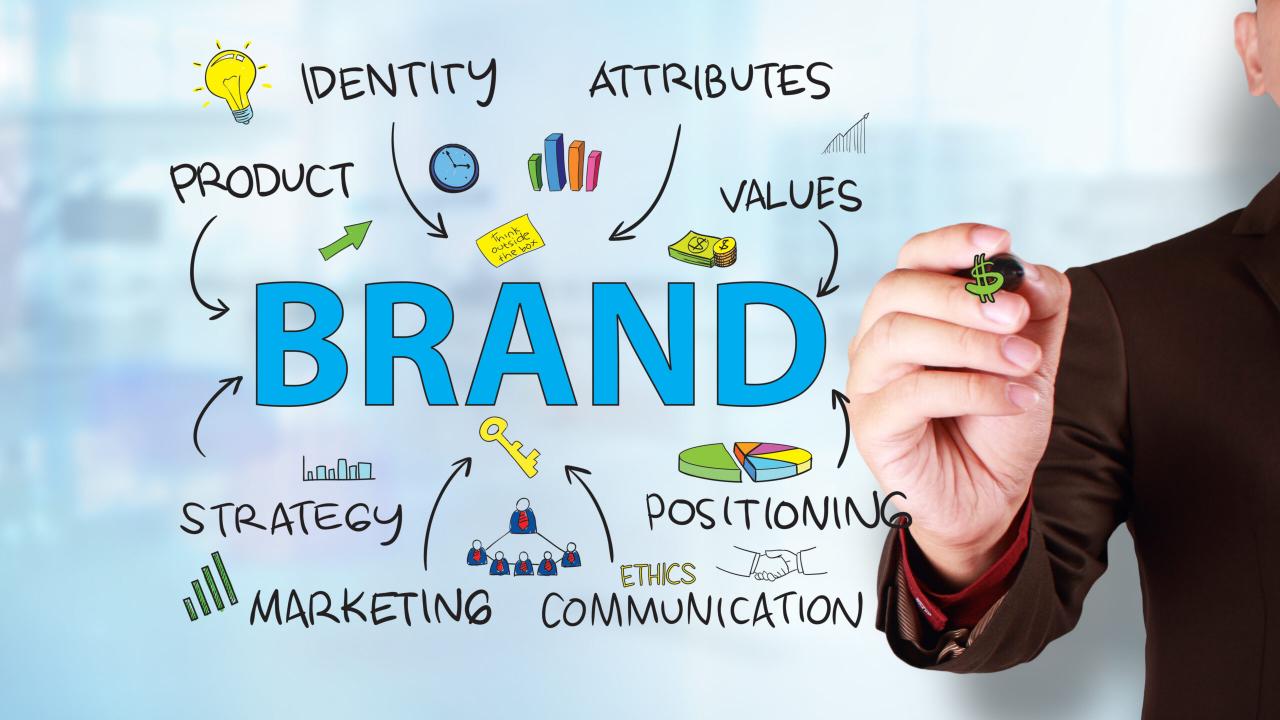
Branding iron ink is more than just a tool; it’s a powerful medium that transforms the way brands communicate their identity. This ink has a rich history, evolving from traditional methods to modern applications across various industries. It’s fascinating to see how branding iron ink continues to shape marketing strategies and personal projects, making it a vital element in creating lasting impressions.

As we delve into branding iron ink, we’ll explore its origins, the different types available, practical application techniques, and innovative uses that can elevate your brand. Understanding the nuances of this medium is essential for anyone looking to make their mark, whether in a business setting or through personal creativity.

Introduction to Branding Iron Ink

Branding iron ink holds a significant place in the realm of branding, serving as a powerful tool for creating lasting impressions. This unique ink is used in various applications, from traditional branding techniques to modern marketing strategies. It symbolizes identity and authenticity, establishing a visual and emotional connection between brands and their audiences.The origins of branding iron ink can be traced back to ancient civilizations, where it was utilized to mark livestock and signify ownership.

Over time, this practice evolved, finding applications in leatherworking, metalwork, and even culinary arts. In contemporary settings, branding iron ink has adapted to digital platforms and print media, showcasing versatility across industries. Its evolution illustrates the ongoing importance of brand identity in a competitive marketplace.

Applications of Branding Iron Ink

Branding iron ink is utilized in various contexts, each leveraging its unique properties to enhance brand recognition and loyalty. The following examples illustrate its diverse applications:

  • Product Labeling: Many artisanal food producers use branding iron ink to create distinctive labels that reflect their brand’s authenticity. For instance, craft breweries often employ this ink to print on bottles, ensuring a rustic and genuine appearance.
  • Merchandising: Clothing brands frequently use branding iron ink for tags and packaging, reinforcing their identity through tactile experiences. This technique not only enhances the visual appeal but also adds a memorable touch to the consumer’s interaction with the product.
  • Decorative Arts: In the world of interior design, branding iron ink is used to create bespoke wall art and signage. Artists and designers apply this medium to add character and a personalized feel to spaces, making them unique and inviting.
  • Event Branding: Companies often use branding iron ink for merchandise at trade shows and events. Custom-branded items, such as tote bags and promotional materials, serve as effective marketing tools, leaving a lasting impact on potential clients and customers.

“Branding iron ink embodies the essence of a brand, marking it as unique and recognizable in a crowded marketplace.”

Types of Branding Iron Ink

Branding iron ink is essential for achieving high-quality branding on various materials, including leather, wood, and metal. Understanding the types of branding iron inks available helps in selecting the right one for specific projects. This section details the primary types of branding iron inks on the market, focusing on their properties, advantages, and disadvantages.

Water-Based Branding Inks

Water-based branding inks are made with a water-soluble formulation, making them an environmentally friendly choice. These inks are known for their quick drying time and ease of cleaning with water. When using water-based inks, the following properties are significant:

  • Low Toxicity: Water-based inks are safer for both the user and the environment, as they contain fewer harmful chemicals compared to oil-based alternatives.
  • Fast Drying: These inks typically dry quickly, allowing for faster production times and minimal smudging.
  • Color Variety: Water-based inks offer a wide range of vibrant colors, making them suitable for creative branding applications.

However, there are some disadvantages to consider when using water-based inks:

  • Durability Issues: Water-based inks may not adhere well to certain surfaces, particularly those that are non-porous, which could affect the longevity of the branding.
  • Less Resistance to Elements: Exposure to moisture and UV light can lead to fading or washing away of the ink.

Oil-Based Branding Inks

Oil-based branding inks are formulated with oil-based solvents, providing a different set of characteristics that may suit specific branding needs. Key properties of oil-based inks include:

  • Excellent Adhesion: These inks tend to adhere better to a variety of surfaces, including non-porous materials, resulting in a more permanent mark.
  • Weather Resistance: Oil-based inks are generally more resistant to moisture and UV exposure, making them ideal for outdoor applications.
  • Rich Color Depth: The pigmentation in oil-based inks often results in deeper, more vibrant colors that stand out on surfaces.

The downsides of oil-based inks must also be acknowledged:

  • Higher Toxicity: These inks contain solvents that may release harmful fumes, requiring adequate ventilation during use.
  • Longer Drying Times: Compared to water-based inks, oil-based options may take longer to dry, which could lead to increased production times and potential smudging.

Choosing the right type of branding iron ink ultimately depends on the specific requirements of the project, including the materials involved and the desired durability of the branding.

Application Techniques

Branding iron ink is a versatile medium that requires careful application techniques to ensure optimal results. Knowing how to effectively apply branding iron ink can significantly impact the quality of the final product, whether on wood, metal, leather, or other surfaces. This section will explore various methods for applying branding iron ink and provide a step-by-step guide for achieving the best results.

Various Application Techniques

There are several techniques to apply branding iron ink effectively. Each method may vary slightly based on the surface being used, but the underlying principles remain consistent. Here are the key application techniques:

  • Brushing: Using a high-quality brush allows for precise control over the ink application. This method is great for detailed work and ensures even coverage.
  • Stenciling: Applying the ink through a stencil creates clean and defined edges, making it suitable for designs that require accuracy.
  • Spraying: A spray technique can cover large areas quickly, which is beneficial for larger projects. However, it requires a steady hand to avoid overspray.
  • Rolling: Using a roller can help in achieving a smooth and even coat, especially on flat surfaces. This method is often used for larger, less intricate designs.

Step-by-Step Guide for Proper Application

Following a systematic approach when applying branding iron ink can enhance your results significantly. Below is a step-by-step guide tailored for different surfaces.

1. Preparation of the Surface

Ensure the surface is clean, dry, and free of any debris or dust.

For wood, sand the area lightly to create a smoother finish.

For metal or plastic, wipe down with a suitable solvent to remove oils.

2. Choosing the Right Tool

Select an appropriate tool based on the technique (brush, stencil, spray, etc.) and the detail required for the project.

3. Mixing the Ink

Stir the branding iron ink thoroughly to ensure an even consistency.

If necessary, dilute the ink slightly based on the surface and desired opacity.

4. Application

Apply a thin layer of ink using your chosen technique.

For stenciling, secure the stencil properly to prevent movement while applying the ink.

5. Drying Time

Allow the ink to dry completely before handling the item to prevent smudging.

Refer to the manufacturer’s recommendations for specific drying times.

6. Final Touches

Once dry, inspect the application. Additional coats may be necessary for more vibrant color.

Clean your tools immediately after use to maintain their quality.

Tips for Optimal Results

To achieve the best possible outcome with branding iron ink, consider the following tips:

  • Test on a scrap piece of the same material before applying to the final surface to gauge how the ink reacts.
  • Use multiple thin layers instead of one thick layer to prevent dripping and unevenness.
  • Maintain a consistent distance if using a spray technique to ensure even coverage.
  • Keep the workspace well-ventilated, especially when using aerosol sprays or solvents.
  • Store leftover ink in a cool, dark place to preserve its quality for future use.

Maintenance and Care

Maintaining your branding iron ink tools is essential for achieving the best results and prolonging their lifespan. Proper care ensures that the ink flows smoothly, tools remain in good condition, and the overall branding process is efficient and effective.

Proper Maintenance of Tools

Regular maintenance of your branding iron ink tools is critical for their performance. Here are key practices to follow:

  • Cleaning: After each use, clean the branding tools with warm, soapy water to remove any residual ink. This prevents ink buildup and keeps the tools ready for future use.
  • Inspection: Regularly check for any signs of wear or damage on your branding tools. Replace any damaged components immediately to prevent issues during use.
  • Lubrication: For mechanical parts, apply a light lubricant to moving components to ensure smooth operation and reduce friction.

Common Issues and Solutions

When using branding iron ink, various issues may arise. Understanding how to address these challenges can improve your branding experience. Consider the following common problems:

  • Inconsistent Ink Flow: This can be caused by clogged tips. Regular cleaning and proper storage of the ink can prevent this issue.
  • Fading Marks: If the branding ink fades quickly, it may be due to improper application techniques or insufficient curing time. Always ensure that the ink is applied evenly and given enough time to set.
  • Drying Out: Ink can dry out if left exposed. Always seal containers tightly after use and store them in a cool, dry place.

Storage Practices for Longevity

Proper storage of branding iron ink is crucial to ensure its longevity and effectiveness. Implementing these best practices will help maintain the quality of your ink:

  • Sealed Containers: Always store branding ink in airtight containers to prevent it from drying out or becoming contaminated.
  • Temperature Control: Keep the ink in a stable environment, away from extreme temperatures, as heat can alter its composition and reduce effectiveness.
  • Labeling: Clearly label all containers with the type of ink and the date of purchase to keep track of freshness and usage.

“A well-maintained tool is the key to achieving the highest quality branding results.”

Creative Uses of Branding Iron Ink

9 Top Brand Positioning Facts and Tips - Your Brand is more than a logo

Branding iron ink can be a versatile tool in various creative projects, offering a unique touch that enhances personalization and branding. Whether for personal art projects, business marketing, or DIY crafts, this ink has some innovative applications that can truly stand out. Let’s explore some of the inspiring ways branding iron ink can be used.

Innovative Personal Projects

Using branding iron ink in personal projects can introduce a unique aesthetic that sets your work apart. The ink can be applied to a variety of surfaces, allowing for endless creativity. Here are some examples of how you can incorporate it into your own projects:

  • Custom Artwork: Create stunning wall art by applying branding iron ink onto canvas or wood. The ink’s distinctive texture adds depth and character to your pieces.
  • Personalized Gifts: Use branding iron ink to customize items like mugs, coasters, or notebooks, making thoughtful gifts for friends and family.
  • Fashion Accessories: Design custom leather goods, such as wallets or belts, by incorporating branding iron ink to add unique patterns or initials.
  • Home Décor: Use the ink to brand furniture pieces or home accessories, giving them a custom and rustic finish.

Branding and Marketing Examples

Several brands have successfully utilized branding iron ink to enhance their marketing strategies. The distinct look and feel of branding iron ink can create a memorable impression on customers. Consider these inspiring cases:

  • Artisanal Food Products: Small-batch producers of jam and sauces often use branding iron ink on their labels. This not only adds a handmade touch but also conveys authenticity, appealing to consumers looking for locally sourced products.
  • Craft Breweries: Many craft breweries employ branding iron ink to stamp their logos on bottles or kegs, reinforcing their brand identity with a rustic touch that resonates with their target market.
  • Independent Clothing Lines: Fashion brands that focus on sustainability might use branding iron ink in their tags and packaging, aligning their product aesthetic with their values.

Unique DIY Projects

For those who love getting hands-on, branding iron ink can be an excellent addition to DIY projects. Here’s a curated list of innovative ideas that incorporate this unique ink:

  • Customized T-shirts: Use the ink to create bespoke designs on fabric, giving plain shirts a personalized spin.
  • Wooden Signs: Craft rustic signs for your home or garden using wood and branding iron ink to create eye-catching designs.
  • Notebook Covers: Add a personal touch to your stationery by branding the covers of notebooks with your favorite quotes or designs.
  • Terracotta Pots: Personalize plant pots with branding iron ink, creating a cohesive look for your indoor garden.

Branding iron ink not only allows for creative expression but also connects personal projects with a professional touch.

Environmental Considerations

Branding iron ink, while essential for various applications, brings with it certain environmental challenges. Traditional inks often contain harmful solvents and heavy metals that can adversely affect air and water quality. As awareness of these issues grows, both consumers and manufacturers are seeking eco-friendlier alternatives that reduce environmental footprints while maintaining performance.The environmental impact of traditional branding iron inks primarily stems from their chemical composition.

Many conventional inks include volatile organic compounds (VOCs) that can evaporate into the atmosphere, contributing to air pollution and health risks. This pollution can harm local ecosystems, as well as human health, particularly for workers in ink manufacturing and application processes. In contrast, eco-friendly inks are formulated with renewable resources, reducing reliance on petroleum-based solvents and minimizing toxic emissions.

Eco-Friendly Branding Ink Options

A variety of eco-friendly branding ink options are available on the market today. These alternatives prioritize sustainability while ensuring effective branding. Key options include:

  • Aqueous Inks: Water-based inks that utilize water as the primary solvent, significantly lowering VOC emissions and toxicity.
  • Plant-Based Inks: Inks derived from natural sources, such as vegetable oils and dyes, offering a biodegradable option.
  • Low-VOC Inks: Formulations designed to reduce VOC content, making them safer for both the environment and human health.
  • Solvent-Free Inks: These inks eliminate harmful solvents entirely, relying instead on alternative binders and pigments.

These options not only lessen the environmental impact but also align with the growing consumer demand for sustainable products. The benefits extend beyond just environmental considerations; they often result in higher-quality finishes and better adhesion properties.

Regulations and Standards

The use of branding iron ink is subject to various regulations depending on the region, which aim to protect human health and the environment. In Europe, the REACH (Registration, Evaluation, Authorisation, and Restriction of Chemicals) regulation plays a critical role in controlling the use of hazardous substances in inks. Similar regulations exist in North America, where the Environmental Protection Agency (EPA) monitors VOC emissions in printing processes.Compliance with these regulations is crucial for manufacturers aiming to market their products responsibly.

Additionally, many companies are adopting certifications such as the Green Seal or Cradle to Cradle, which indicate adherence to environmental standards. These certifications not only ensure safety but also enhance brand reputation among eco-conscious consumers.

Adopting eco-friendly branding inks not only demonstrates corporate responsibility but can also lead to increased customer loyalty.

Industry Trends

The landscape of branding iron ink is evolving rapidly, with various sectors incorporating innovative uses and technological advancements. As businesses seek to distinguish their products and enhance their brand identity, the demand for high-quality branding iron ink continues to grow. Insights into current trends unveil how different industries are embracing these products, while technology plays a pivotal role in shaping future applications.Technology has significantly influenced the development of branding iron ink, leading to enhancements in durability, color range, and application methods.

Companies are leveraging advancements in materials science to create inks that can withstand harsher conditions, which is particularly beneficial for outdoor products or items exposed to wear and tear. The integration of digital printing technology into branding processes has also opened new avenues for customization, allowing businesses to produce unique designs that resonate with consumers.

Current Trends in Branding Iron Ink Usage

Multiple sectors are adopting branding iron ink for various applications, reflecting a growing trend towards personalization and brand uniqueness. The following sectors are particularly notable:

  • Food and Beverage: Many artisan food producers use branding iron ink to create distinctive packaging that communicates quality and craftsmanship. For instance, craft breweries often use branding techniques that highlight their brand story.
  • Fashion and Retail: Brands in the fashion industry are increasingly using branding iron ink to mark leather goods, clothing tags, and accessories. This creates an upscale look and reinforces brand identity.
  • Home Goods and Furniture: Woodworkers and furniture makers are utilizing branding iron ink to imprint their logos or unique designs onto crafted pieces, enhancing authenticity and perceived value.
  • Crafts and DIY Projects: The crafters’ community embraces branding iron ink for personal projects, utilizing it on various materials such as fabrics, wood, and metal to create custom items that reflect personal style.

Influence of Technology on Branding Iron Ink

As technology continues to advance, it introduces innovative formulations and printing techniques for branding iron ink.

  • Eco-Friendly Inks: With a surge in environmental awareness, manufacturers are developing eco-friendly inks that reduce harmful emissions while maintaining performance standards.
  • Digital Integration: The rise of digital printing allows for intricate designs and color variations that were previously unachievable with traditional methods, thus broadening the creative possibilities for brands.
  • Smart Inks: Research is ongoing into the development of smart inks that change color based on temperature or moisture levels, adding a new interactive dimension to branding.
  • Automation: Automated branding processes are improving efficiency and consistency in production, allowing brands to scale their operations while ensuring high-quality output.

Future Predictions for Branding Iron Ink Usage

Looking ahead, the future of branding iron ink appears promising, with a forecast of continued innovation and expanding applications across industries.

  • Increased Customization: Businesses will likely invest more in personalized branding solutions, allowing customers to input their designs or choose from a wider array of colors and finishes.
  • Hybrid Technologies: The merging of traditional branding methods with modern digital techniques will become more commonplace, creating unique opportunities for brand storytelling.
  • Sustainability Trends: As sustainability becomes a core value for consumers, brands that prioritize eco-friendly branding iron ink will enjoy a competitive advantage.
  • Global Market Expansion: Emerging markets will likely see an uptick in branding iron ink usage as local artisans and businesses leverage these tools to establish their identity in the global marketplace.

Final Summary

In summary, branding iron ink serves as a bridge between tradition and innovation, giving brands the tools they need to stand out in a crowded marketplace. Whether you’re considering its environmental impact or exploring new trends, this versatile ink offers endless possibilities for creative expression. Embracing branding iron ink can lead to not only aesthetic appeal but also deeper connections with your audience, ensuring your brand leaves a lasting legacy.

FAQ Overview

What is branding iron ink made of?

Branding iron ink is typically made from pigments mixed with a binding agent, allowing it to adhere to various surfaces.

Can branding iron ink be used on fabric?

Yes, certain types of branding iron ink are specifically formulated for use on fabric, providing durable and vibrant results.

How long does branding iron ink last?

With proper care and storage, branding iron ink can last for several years without degrading in quality.

Is it safe to use branding iron ink in food-related projects?

Only food-safe branding ink should be used for food-related projects to avoid health risks.

How can I clean tools used with branding iron ink?

Tools can be cleaned with appropriate solvents based on the type of ink used, ensuring they are maintained for future applications.

The world of branding irons in Delaware, Ohio, offers a fascinating glimpse into a craft that blends history, artistry, and practical utility. From their origins as tools for marking livestock to their current role in various industries, branding irons have evolved significantly over the years. This introduction sets the stage for an exploration of how local artisans and businesses in Delaware utilize these tools not only for product identification but also as a means of personal expression.

As we delve deeper into the craftsmanship behind branding irons, we’ll uncover the materials used, the different types available, and the significance of these tools in the local economy. Whether you’re a business owner looking to enhance your branding strategy or a DIY enthusiast curious about custom designs, the journey through the world of branding irons promises to be enlightening.

Introduction to Branding Irons

Branding irons are tools used for marking livestock and other items with a unique symbol or identifier. Historically, they have played a crucial role in agriculture, industry, and branding practices, serving as a means of establishing ownership and promoting identity. The concept of branding dates back thousands of years, with ancient civilizations utilizing simple tools to signify ownership on livestock and possessions.The process of branding has evolved significantly over time, moving from primitive methods using heated metal to more refined techniques that ensure precision and effectiveness.

Initially, branding was carried out by heating a metal rod and pressing it against the skin of an animal. Today, advancements in technology have introduced electric branding irons that offer more control over the temperature and application, which minimizes the pain and stress for the animals involved. This evolution reflects a broader trend towards humane treatment and efficiency in agricultural practices.

Common Materials Used in the Production of Branding Irons

The materials selected for branding irons greatly influence their durability and effectiveness. Common materials include:

  • Steel: The most traditional material used for branding irons, steel is known for its strength and ability to retain heat, making it ideal for creating lasting marks.
  • Brass: Often used for smaller branding tools, brass provides corrosion resistance and is lighter than steel, which can be beneficial for intricate designs.
  • Aluminum: Lightweight and resistant to rust, aluminum branding irons are increasingly popular, particularly for portable or electric models.
  • Copper: Used occasionally for its excellent heat conductivity, copper branding irons allow for quick heating and effective branding, though they are less common due to higher costs.

These materials are chosen not only for their functional properties but also for their ability to withstand the rigors of repeated use in various conditions. The choice of material can affect both the quality of the branding and the safety of the branding process for the animals involved.

The Role of Branding Irons in Delaware, Ohio

Branding iron delaware ohio

Branding irons hold a distinctive place in Delaware, Ohio, where they contribute to both the cultural heritage and the local economy. This unique tool serves not just as a means of product identification, but also as a symbol of craftsmanship and quality in various industries throughout the region. As artisans and businesses strive to establish their brand identity, branding irons play a crucial role in enhancing the visibility and appeal of their products.

The use of branding irons in Delaware extends across various sectors, including agriculture, artisanal crafts, and local food businesses. They are particularly significant for identifying products, ensuring authenticity, and building consumer trust. Local businesses that utilize these branding tools often find that a well-branded product can command higher prices and foster customer loyalty. The craftsmanship associated with branding irons further adds a layer of quality that appeals to consumers seeking unique, locally made goods.

Local Businesses Utilizing Branding Irons

A variety of local businesses in Delaware, Ohio, incorporate branding irons into their operations, enriching their product lines and enhancing their brand identity. Here are some notable examples:

  • Artisan Woodworkers: Many local woodworkers use branding irons to mark their handcrafted furniture and decorative items. This practice not only signifies authenticity but also reflects the artisan’s commitment to their craft.
  • Local Farms: Farms in the area often brand their products, such as meats and cheeses, with custom branding irons. This branding emphasizes the farm-to-table concept and reassures consumers about the origin and quality of their food.
  • Craft Breweries: Several breweries in Delaware use branding irons to mark their barrels and bottles, creating a distinctive flair that sets them apart in a competitive market.

The stories of local artisans highlight the deep-rooted tradition and passion associated with using branding irons. Many artisans describe the pride they feel when they stamp their logo onto a piece of work. For instance, an artisan woodworker shared,

“Every time I brand my furniture, it feels like I am leaving a piece of my legacy behind.”

This sentiment reverberates among many creators in the area, who view branding irons as a vital part of their artistic expression and connection to their community.

Moreover, branding irons serve as conversation starters, allowing artisans to share their stories and processes with customers. One local jewelry maker noted,

“When customers see my brand stamped on a piece, it opens the door for questions about my design journey, which helps build a relationship and trust.”

Through these personal connections, the use of branding irons elevates the consumer experience, fostering a sense of community and shared values in Delaware, Ohio.

Types of Branding Irons

Branding irons are essential tools for businesses and artisans alike, providing a method for marking products with a logo or design. Understanding the various types of branding irons available can help you choose the best option for your specific needs in Delaware, Ohio. Each type has its unique features and applications, which can significantly impact your branding process.There are two primary categories of branding irons: electric and manual.

Each type offers distinct advantages and disadvantages based on the user’s requirements and intended use. Below is a detailed comparison of the two.

Electric vs. Manual Branding Irons

When deciding between electric and manual branding irons, consider their functionality, ease of use, and cost-effectiveness. Both options have their merits depending on the scale of production and the complexity of the branding process.Electric branding irons are powered by electricity and can reach high temperatures quickly. They are ideal for businesses that require consistent and quick branding across multiple items.

Here are the pros and cons:

  • Pros:
    • Fast heating time.
    • Consistent temperature control for even branding.
    • Less physical effort required.
  • Cons:
    • Higher initial cost compared to manual options.
    • Dependency on power sources.
    • Potential issues with portability.

Manual branding irons, on the other hand, are heated using an open flame or hot plate. They require more physical effort and time to achieve the desired temperature. Here are their advantages and disadvantages:

  • Pros:
    • Lower cost, making them more accessible.
    • Portable and often easier to use in various locations.
    • No reliance on electricity.
  • Cons:
    • Longer heating times.
    • Less consistency in temperature control.
    • More physical effort required for branding.

Features and Prices of Popular Branding Irons in Delaware, Ohio

Choosing the right branding iron also involves understanding the features that different models offer. Below is a table that summarizes some of the most popular branding irons available in Delaware, Ohio, along with their key features and price ranges.

Brand/Model Type Heating Method Temperature Control Price Range
Brand X Electric Iron Electric Electric Coil Digital $150 – $200
Brand Y Manual Iron Manual Open Flame None $30 – $70
Brand Z Adjustable Electric Iron Electric Electric Coil Adjustable $200 – $250
Brand W Standard Manual Iron Manual Hot Plate None $40 – $80

The selection of branding irons in Delaware, Ohio, provides a range of options for both small-scale artisans and large businesses looking to create a lasting impression with their branding. By understanding the differences between electric and manual branding irons, as well as their features and pricing, you can make an informed decision tailored to your branding needs.

Custom Branding Iron Design

Creating a custom branding iron is an exciting process that allows businesses and individuals to personalize their mark, making their brand memorable and distinct. A well-designed branding iron can leave a lasting impression, whether used for branding wood, leather, or other materials. Understanding the steps and requirements for creating a custom branding iron is crucial for achieving the desired results.The process of designing a custom branding iron involves several steps, each requiring careful consideration to ensure the final product meets your expectations.

Here’s a detailed look at the steps involved in creating a custom branding iron:

Step-by-Step Process for Creating a Custom Branding Iron

The process of designing a custom branding iron can be simplified into the following steps:

  1. Define Your Brand Identity: Determine the essence of your brand, including values, message, and target audience. This understanding will inform your design.
  2. Sketch Design Ideas: Create rough sketches of potential designs. Focus on incorporating logos, initials, or symbols that represent your brand.
  3. Choose a Design Software: Use graphic design software like Adobe Illustrator or CorelDRAW to create a digital version of your design. Ensure that your design is scalable and clear.
  4. Finalize the Design: Review and refine your digital design. Ensure it meets the specifications required for a branding iron, focusing on details that will be visible when branded.
  5. Select a Manufacturer: Research and choose a reliable manufacturer that specializes in custom branding irons. Provide them with your finalized design.
  6. Review Prototypes: Once the manufacturer creates a prototype, review it carefully to ensure it aligns with your expectations. Make any necessary adjustments.
  7. Place Your Order: After final approval, place your order for the custom branding iron. Consider ordering multiple units if you plan to use it frequently.

Tools and Materials Necessary for Custom Branding Iron Creation

Creating a custom branding iron requires specific tools and materials to ensure quality and functionality. Here’s a breakdown of what you’ll need:

Essential tools and materials include both design and production equipment.

  • Design Software: Programs like Adobe Illustrator for creating and refining your iron’s design.
  • Laser Engraver: A machine used for etching your design onto the branding iron.
  • Branding Iron Blank: The base metal that will hold your design, typically made of iron or steel.
  • Heat Source: A propane torch or electric heating element to heat the branding iron for effective branding.
  • Protective Gear: Safety goggles and gloves to protect yourself during the heating and branding process.

Importance of Logo Design and Its Impact on Branding Effectiveness

Logo design is a critical aspect of branding, especially when it comes to custom branding irons. A well-crafted logo can significantly enhance the visibility and recognition of a brand. A strong logo should be simple, memorable, and versatile, allowing it to be effectively used across various mediums. Here are some key points to consider regarding logo design:

A well-designed logo communicates the brand’s identity and values at a glance.

  • First Impressions: A compelling logo creates a strong first impression, encouraging potential customers to engage with the brand.
  • Brand Recognition: Consistent use of a well-designed logo helps in building brand recognition and loyalty among customers.
  • Professionalism: A polished design reflects professionalism and can enhance customer trust in your products or services.
  • Versatility: A flexible logo design can be adapted to various branding materials, including promotional items, packaging, and signage.

Maintenance and Care for Branding Irons

Proper maintenance and care of branding irons are crucial to ensure their longevity and effectiveness. With the right practices in place, users can keep their branding tools in top shape, ensuring crisp, clear imprints every time. Neglecting proper care can lead to poor performance and even permanent damage to the branding iron.Cleaning and maintaining branding irons involve several best practices that help avoid common issues and ensure optimal performance.

Regular cleaning not only removes residue that can interfere with branding but also prevents rust and corrosion, which can significantly shorten the lifespan of the tool. A well-maintained branding iron provides better quality branding and saves money in the long run.

Best Practices for Cleaning and Maintenance

Establishing a routine maintenance schedule helps in keeping branding irons in peak condition. The following best practices should be adhered to:

  • Always allow the branding iron to cool completely after use before cleaning.
  • Use a soft cloth or brush to wipe off any residue. Avoid abrasive materials that could scratch the surface.
  • For stubborn residue, soak the branding iron in warm soapy water for a few minutes before wiping.
  • After cleaning, dry the iron thoroughly to prevent rust. Consider applying a light coat of oil to the metal surfaces.
  • Store the branding iron in a dry place, ideally in a protective case, to prevent dust accumulation and physical damage.

Common Issues and Troubleshooting

Branding irons can face various issues that affect their performance. Being aware of these common problems and knowing how to troubleshoot them can save time and resources.

  • Uneven branding results may stem from insufficient heat. Ensure the iron is heated to the appropriate temperature before use.
  • Rust formation indicates improper storage or cleaning. Regularly clean and apply oil to prevent rust.
  • Inconsistent impressions can arise from a dirty branding surface. Make it a habit to clean the iron after each use.
  • If the branding iron does not heat properly, check that the power source is functioning correctly and that the connections are secure.

Routine Maintenance Checklist

To maintain branding irons effectively, a checklist of routine tasks can be immensely helpful. This ensures that all crucial maintenance steps are followed regularly.

  • Inspect the branding iron for any signs of wear or damage.
  • Clean the branding surface after each use.
  • Check the electrical connections and cords for any fraying or damage.
  • Apply oil to the metal parts to prevent rust at least once a month.
  • Store the branding iron properly after every session to avoid accidental damage and build-up of dust.

Uses of Branding Irons

Branding irons are not just for livestock; they have diverse applications that span various industries and creative projects. Their ability to create lasting impressions makes them an invaluable tool in both professional and personal settings. Understanding the versatile uses of branding irons can inspire new ways to incorporate them into your own projects or business.Beyond livestock branding, branding irons serve multiple innovative purposes in the craft and DIY community.

They can be used to personalize items, promote businesses, or even create unique art pieces. The adaptability of branding irons allows creators to explore different materials and methods, resulting in one-of-a-kind creations that reflect personal style or brand identity.

Applications in Various Industries

Several industries benefit from the use of branding irons, each utilizing them in specific ways to enhance their branding, production, or craftsmanship. Here’s a look at some key sectors:

  • Food and Beverage: Restaurants and breweries use branding irons to mark their signature dishes or beverages. For example, a steakhouse might brand its logo onto grilled steaks, giving customers a memorable dining experience.
  • Crafts and DIY: Artists and hobbyists employ branding irons to personalize woodwork, leather goods, and textiles. A common practice is to brand leather wallets or bags with initials or logos, adding a custom touch.
  • Furniture Making: Woodworkers and furniture makers use branding irons to imprint their logo or signature onto finished pieces, establishing brand identity and authenticity. This practice adds value and uniqueness to handmade items.
  • Event Planning: Event organizers use branding irons to personalize decorations or table settings. For instance, a wedding planner might brand wooden coasters with the couple’s names and wedding date as keepsakes for guests.
  • Merchandising: Retailers might apply branding irons to promotional items, such as keychains or coasters, to help enhance brand visibility and create memorable giveaways.

The versatility of branding irons allows them to cross boundaries from agriculture to artistry, enhancing the value and appeal of various products.

Branding irons not only serve functional purposes but also contribute to the aesthetic and emotional appeal of items, making them a sought-after tool across varied applications.

Purchasing Branding Irons in Delaware, Ohio

Finding the right branding iron in Delaware, Ohio, is essential for artisans, ranchers, and businesses looking to leave a lasting impression. This guide highlights where to locate branding irons both locally and online, compares pricing strategies among vendors, and discusses the role of local craftsmanship in shaping the branding iron market.

Where to Find Branding Irons Locally

Delaware, Ohio boasts several options for purchasing branding irons, including local hardware stores, specialty shops, and online retailers. Local businesses often have knowledgeable staff who can assist customers in selecting the perfect branding iron for their needs. Here are some notable places to check out:

  • Local Hardware Stores: Stores like Ace Hardware often carry a range of branding tools and equipment.
  • Farm Supply Stores: Shops like Tractor Supply Co. may offer branding irons suitable for agricultural needs.
  • Custom Metal Fabricators: Local artisans and fabricators may create custom branding irons tailored to specific designs.
  • Online Retailers: Websites like Amazon and Etsy feature various branding irons, including customizable options shipped directly to Delaware.

Comparison of Pricing Strategies Among Vendors

Pricing for branding irons can vary widely based on materials, craftsmanship, and vendor reputation. Understanding these factors can help buyers make informed decisions. Here’s how pricing often breaks down:

  • Standard Branding Irons: Basic models typically range from $20 to $50. These are ideal for individuals or small businesses looking for cost-effective options.
  • Custom Branding Irons: Custom designs can start at $75 and go upwards of $200, depending on complexity and size.
  • Local Craftsmanship: Supporting local artisans may come at a premium, but it often ensures higher quality and unique designs.

Impact of Local Craftsmanship on the Branding Iron Market

Local craftsmanship plays a significant role in the branding iron market in Delaware, Ohio. The artisanship involved contributes to the uniqueness and quality of the products available. Here are a few points illustrating this impact:

  • Quality Materials: Many local craftsmen source high-quality metals, which enhances the durability and effectiveness of branding irons.
  • Custom Design Expertise: Local artisans possess the skills necessary to create bespoke branding irons that reflect individual styles or business logos.
  • Community Support: Purchasing from local vendors fosters community growth and supports the local economy, which can lead to more unique offerings.

“Investing in local craftsmanship not only yields superior products but also strengthens community ties.”

Future Trends in Branding Irons

As the world evolves, so does every industry, including branding irons. The future of branding irons is set to be shaped by advancements in technology, shifting consumer preferences, and an increasing demand for sustainability. Companies in Delaware, Ohio, and beyond are poised to adopt innovative solutions that enhance the functionality and appeal of branding irons.One significant trend in the branding iron industry is the integration of advanced technologies.

These include digital printing methods and laser engraving, which allow for more intricate designs and higher precision. As companies look for ways to differentiate their products, branding irons that incorporate technology will be essential. Moreover, the use of 3D printing to create custom branding irons on-demand is becoming more feasible, enabling businesses to offer personalized designs quickly and efficiently.

Shifts in Consumer Preferences

Consumer preferences are evolving towards more personalized and unique branding solutions. As customers seek to stand out in a competitive market, they are increasingly looking for branding irons that can be tailored to their specific needs. This trend is reflected in the growing interest in custom designs that incorporate logos, fonts, and graphics that resonate with a brand’s identity. The ability to create unique branding experiences will drive purchasing decisions, pushing manufacturers to offer greater customization options.In addition to customization, simplicity and ease of use are becoming essential.

Consumers prefer products that require minimal setup and maintenance, leading to a rise in user-friendly branding solutions. This preference for simplicity is prompting manufacturers to develop branding irons that are lightweight, portable, and easy to operate, making them accessible for a wider audience.

Sustainability Influence

Sustainability is increasingly influencing the branding iron industry as businesses become more environmentally conscious. There is a growing demand for eco-friendly materials and production processes. Manufacturers are exploring sustainable metal options and biodegradable materials for handles and packaging, reducing environmental impact. The shift toward sustainability is also driving innovation in energy-efficient branding irons. These products consume less energy during operation, appealing to businesses aiming to lower their carbon footprint.

Moreover, the trend of using recycled materials in manufacturing branding irons not only supports sustainability but also attracts customers who prioritize eco-friendly products.In summary, the future of branding irons is bright, characterized by technological advancements, evolving consumer preferences for customization and ease of use, and a robust push toward sustainability. As these trends unfold, businesses in Delaware, Ohio, will need to adapt to remain competitive and meet the changing demands of their customers.

Last Point

In summary, branding irons in Delaware, Ohio, represent a blend of tradition, innovation, and community spirit. From the artisans who create custom designs to the businesses that rely on branding for their identity, these tools play a vital role in the local economy and culture. As we look to the future, the evolution of branding irons will likely continue, influenced by technology and sustainability, ensuring that this unique craft remains relevant and valued.

Expert Answers

What are the main materials used for branding irons?

Branding irons are typically made from metals like steel, brass, and aluminum, chosen for their durability and heat resistance.

How do I maintain my branding iron?

Regular cleaning after use, proper storage, and occasional oiling can help ensure the longevity of your branding iron.

What industries commonly use branding irons?

In addition to livestock, branding irons are used in crafts, woodworking, leather goods, and even food presentation.

Can I get a custom branding iron designed?

Yes, many local artisans and businesses offer custom branding iron design services tailored to your specifications.

Where can I purchase branding irons in Delaware, Ohio?

You can find branding irons at local craft supply stores, specialty shops, and online retailers that cater to local artisans.

With difference between legal business name and dba at the forefront, understanding these two terms is essential for any entrepreneur. They may seem similar at first glance, but grasping their distinctions can save you from legal headaches and enhance your business strategy.

A legal business name is the official name under which a business operates and is registered with the government, while a DBA (Doing Business As) allows businesses to operate under a different name. This introduction to the nuances of legal names versus DBAs sets the stage for a deeper dive into the implications, benefits, and common misunderstandings surrounding these important business identifiers.

Understanding Legal Business Names

A legal business name is the official name under which a business operates. It is crucial for business registration as it identifies the business entity and is used in all legal documents, contracts, and transactions. The legal business name not only serves as a means of identification but also plays a significant role in establishing credibility and brand identity.When choosing a legal business name, various jurisdictions have specific requirements that must be adhered to.

These may include ensuring the name is not already in use, avoiding names that may mislead the public or suggest affiliation with government entities, and ensuring the name complies with local business regulations. Each state or country may have its own set of rules guiding the naming process, which is critical for the registration process.

Requirements for Choosing a Legal Business Name

Selecting the right legal business name involves several important considerations. Below are some of the common requirements that businesses must meet when choosing their legal names:

  • Uniqueness: The name must be distinct and not already in use by another entity registered in the same jurisdiction. This can typically be verified through a business name search in the respective registry.
  • Compliance with Naming Laws: Some jurisdictions have laws against names that may imply government affiliation or use restricted terms, such as “bank” or “insurance,” without proper authorization.
  • Appropriateness: The name should not contain offensive or inappropriate language, ensuring it is suitable for public use and aligns with the business’s values.
  • Descriptive Element: In many cases, it is beneficial for the name to reflect the nature of the business or the services provided, aiding in marketing efforts and customer recognition.

Legal business names serve a vital function in contracts and legal documents, ensuring clear identification of parties involved. For example, in a contract, the legal business name is used to define the entities entering into the agreement, which is essential for enforceability. Using the correct legal business name helps to avoid confusion and potential legal disputes.

“A legal business name is the foundation of your business identity and is essential for lawful operations.”

Examples of legal business names include straightforward options like “John Doe Consulting LLC” or descriptive names like “Green Valley Organic Farms Inc.” These names can be registered with the appropriate government agency and are used in all official communications, lending the business a sense of legitimacy and professionalism. Additionally, these names appear on tax documents, permits, and licenses, reinforcing their importance in the business landscape.

Understanding DBA (Doing Business As)

A DBA, or Doing Business As, is a term that allows a business to operate under a name that differs from its legal business name. This practice is common among entrepreneurs looking to create a unique brand identity or streamline their marketing efforts without forming a new legal entity. Understanding the nuances of DBA can significantly impact a business’s branding and legal standing.A DBA serves as an alias for a business and does not establish a separate legal entity.

It is distinct from the legal business name, which is the name officially registered with the government. When a business wishes to use a name other than its legal name, it must register the DBA with the appropriate government authority, which can vary by location.

Process of Registering a DBA

The process of registering a DBA typically involves several key steps, although the specific requirements can differ from state to state or country to country. Understanding the local regulations is crucial for compliance. Here are the general steps involved in registering a DBA:

1. Choose Your DBA Name

The selected name should be unique and not infringe on existing trademarks or business names. Conducting a thorough search can prevent future legal issues.

2. Check Availability

Most states require a name availability search to ensure that no other business is using the same DBA.

3. Fill Out Registration Forms

Depending on the jurisdiction, businesses may need to complete specific forms, which can usually be found on the state or local government’s website.

4. File Your DBA

Submit the completed forms along with any required fees to the appropriate state or county office. This may include local business licensing departments or state secretaries of state.

5. Publication Requirement

Some states mandate that businesses publish a notice of their DBA in a local newspaper for a specified period.Each jurisdiction has its own nuances, so it’s essential to check specific local laws to ensure compliance.

Examples of Businesses Utilizing DBAs

Numerous businesses opt to use DBAs to enhance their branding or to operate multiple business ventures under different names. This practice allows for flexibility in marketing while maintaining a single legal entity. Here are some notable examples:

Coffee Chains

A coffee shop originally named “ABC Coffee LLC” may choose to use a DBA like “Morning Brew” to attract a specific clientele and create a more memorable brand.

Consulting Firms

A consulting business registered as “XYZ Consulting Group” might utilize a DBA such as “Growth Strategies” to target a niche market focused on business expansion.

Restaurants

A restaurant that is legally registered as “Fresh Foods, Inc.” may operate under the DBA “Gourmet Kitchen” to highlight its upscale dining experience.Utilizing a DBA allows businesses to diversify their offerings, reach different customer demographics, and experiment with new ideas without the complexities of forming a new entity. It’s a strategic move that can lead to expanded opportunities and improved market visibility.

Key Differences Between Legal Business Names and DBAs

Understanding the distinction between a legal business name and a DBA (Doing Business As) is crucial for any business owner. This differentiation can significantly impact how businesses operate and how they are perceived by the public. The legal business name is the official name registered with the state, while a DBA serves as an alias that may resonate better with customers and clients.When it comes to the registration process, legal business names and DBAs differ significantly.

A legal business name must be registered with the appropriate state authorities, often requiring compliance with specific regulations. On the other hand, a DBA provides a more flexible option, allowing businesses to operate under a name that is distinct from their legal entity. Below is a comparison table that highlights these key differences.

Aspect Legal Business Name DBA (Doing Business As)
Registration Required to be registered with state authorities. May need to be registered, depending on the state, to ensure exclusivity.
Usage Used in all official documents and legal proceedings. Used for marketing, branding, and customer-facing operations.
Legal Implications Protects the business name from use by other entities within the state. Failure to register might allow others to use the same name, leading to potential legal disputes.

Businesses often choose to operate under a DBA while maintaining a separate legal business name for various strategic reasons. A DBA allows a company to create a brand identity that resonates better with its target audience. For instance, a legal business name might be something generic like “John Smith Enterprises,” while the DBA could be “Smith’s Landscaping,” which directly communicates the services provided.

This flexibility enables businesses to adapt their branding without the need for changing the legal name, which could be a more complex and costly process.Failing to register a DBA when required can lead to several legal ramifications. If a business operates under an unregistered DBA, it risks potential legal challenges from other businesses using the same name. This can result in costly litigation, reputational damage, and even forced rebranding.

Moreover, unregistered DBAs may hinder a business’s ability to open bank accounts or secure financing under that name, complicating operations further. Therefore, understanding and adhering to the registration requirements is essential to safeguard the business’s interests.

Benefits of Using a DBA

Utilizing a DBA (Doing Business As) offers numerous advantages that can significantly enhance a business’s market presence and operational flexibility. By allowing a business to operate under a name different from its legal name, DBAs can help in branding, marketing, and even cost management.DBAs provide businesses with a unique opportunity to craft distinct brand identities while operating under a single legal entity.

This flexibility allows companies to target different market segments without the need to establish multiple legal structures. For example, a company named “Smith Enterprises, LLC” could register DBAs such as “Smith’s Catering” and “Smith’s Event Planning.” Each DBA can be tailored to communicate specific services and attract a targeted audience, enhancing overall marketing efforts.

Marketing and Branding Enhancement

Having a DBA can significantly amplify a business’s branding and marketing initiatives. It allows for tailored messaging and a focused approach to specific customer demographics. Companies can create unique marketing campaigns for each DBA, ensuring that they effectively resonate with their intended audiences. For instance, a fitness center operating under a legal name like “Wellness Group, Inc.” can branch out into specialized offerings like yoga, pilates, and personal training with distinct DBAs such as “Zen Yoga Studio,” “Core Pilates,” and “Peak Performance Training.” Each DBA can adopt branding elements, promotional strategies, and customer engagement techniques that align with the particular discipline, fostering loyalty and attracting new clients.

Operating Multiple Brands Under One Legal Entity

DBAs allow businesses to explore diverse market opportunities without the complexity of forming additional legal entities. Each DBA can represent a different product line or service, enabling businesses to expand their reach effectively.Consider a restaurant group that includes various culinary themes. Under a single legal entity, “Gourmet Dining, LLC,” they could operate multiple establishments with separate DBAs: “Italian Bistro,” “Sushi Bar,” and “Vegan Café.” This allows them to leverage a single business structure while cultivating unique dining experiences that cater to various tastes, enhancing their overall market footprint.

Cost-Effectiveness of Using a DBA

Utilizing a DBA is a financially savvy strategy for businesses looking to expand. Instead of incurring the expenses associated with forming and maintaining multiple legal entities, a DBA allows for operation under different names within one legal framework. This can result in significant savings on filing fees, taxes, and administrative costs.For example, establishing a new corporation can involve legal fees, registration costs, and ongoing compliance expenses.

In contrast, registering a DBA typically involves a simpler and less expensive process. Many states require minimal fees and paperwork to register a DBA, making it a budget-friendly option for entrepreneurs seeking to diversify their business offerings without the financial burden of multiple corporations.

“A DBA can be a powerful tool for branding and market expansion, allowing businesses to operate distinctively while maintaining a streamlined legal structure.”

Common Misconceptions About Legal Business Names and DBAs

Many entrepreneurs and small business owners often confuse legal business names and DBAs, leading to misunderstandings that can have serious implications for their businesses. This section addresses prevalent misconceptions, illustrating their potential consequences and emphasizing the importance of clarity in these concepts.

Misconceptions Surrounding Legal Business Names and DBAs

Understanding the differences between a legal business name and a DBA is crucial for compliance and branding. Here are some common misconceptions:

  • A DBA is the Same as a Legal Business Name: Many believe that a DBA, which is simply a name under which a business operates, is equivalent to its legal name. However, the legal name is the official name registered with the state, while the DBA is often just a trade name.
  • Registering a DBA Grants Exclusive Rights: Some business owners think that by registering a DBA, they acquire exclusive rights to that name. This is a misconception; unless the name is trademarked, others can still use it.
  • No Need to Register a DBA if You’re an LLC or Corporation: It’s common to assume that LLCs or corporations do not need a DBA. However, if they intend to operate under a different name, they must still register the DBA to inform the public and comply with local regulations.
  • DBAs are Only Necessary for Sole Proprietorships: This false belief leads many LLCs and corporations to neglect DBA registration, which can lead to legal penalties if they choose to operate under an informal name without proper registration.
  • DBAs Provide Legal Protection: While a DBA may enhance branding, it does not offer legal protection like a registered trademark, which is necessary to safeguard the name from being used by others.

Misunderstanding these terms can lead to legal issues as seen in various cases. For example, a small bakery operating under a DBA might face challenges if another bakery with a similar name registers the name legally, leading to potential rebranding costs or even lawsuits. Such situations demonstrate the significance of understanding these concepts, as entrepreneurs must protect their business identities while adhering to legal requirements.Recognizing the differences between legal business names and DBAs is essential for compliance and effective business management.

Entrepreneurs and small business owners should prioritize clarity on these topics to avoid unnecessary complications that could hinder their business growth.

Procedures for Changing a Legal Business Name or DBA

Changing a legal business name or DBA can be a significant step for any business owner, whether driven by marketing strategy, rebranding, or personal preference. Understanding the necessary procedures is crucial to ensure a smooth transition without legal repercussions.To change a legal business name or DBA, business owners must follow a structured process that typically involves several steps, including filings, notifications, and possibly even updates to existing contracts.

Here’s a detailed look at the necessary steps and considerations involved.

Steps for Changing a Legal Business Name or DBA

Making a name change involves several critical actions. Here’s an overview of the key steps necessary to successfully change a business name:

  • Research the New Name: Ensure the new name is not already in use and does not infringe on any existing trademarks.
  • File a Name Change Application: Submit the required form to the appropriate state or local authority, often the Secretary of State or a similar office.
  • Update Business Licenses and Permits: Notify relevant agencies to update any licenses or permits to reflect the new business name.
  • Notify the IRS: File Form 8822-B with the IRS to update your business name as registered with the federal government.
  • Update Contracts and Agreements: Inform clients, suppliers, and other stakeholders about the name change and update contracts as necessary.
  • Change Branding Materials: Update marketing materials, signage, website, and any other branding elements to reflect the new name.
  • Communicate the Change: Announce the name change to customers and the public through press releases, social media, and email newsletters.

Changing a business name goes beyond just the legal paperwork. It can impact contracts, branding, and how customers perceive the business moving forward.

Checklist for Business Owners Considering a Name Change

For business owners contemplating a name change, following a checklist can ensure that all necessary steps are covered. Here is a suggested checklist to streamline the process:

  • Conduct a trademark search for the new name.
  • Review state regulations for name changes.
  • File the name change application with the state.
  • Update your business structure documents if applicable.
  • Notify the IRS of the name change.
  • Inform banks and financial institutions of the new name.
  • Revise contracts and agreements with partners and vendors.
  • Update marketing and branding materials.
  • Communicate the change to all stakeholders.

Each step ensures that the transition is legally sound and that customers remain informed about the identity of the business.

Implications of Changing a Business Name

Changing a business name can significantly affect various aspects of the business. It is essential to understand these implications fully:

  • Contractual Obligations: Contracts may need to be revised or amended to reflect the new name, as legal agreements often stipulate the name of the parties involved.
  • Branding Impact: A name change can alter customer perceptions. Consistent messaging during the transition can help maintain brand loyalty.
  • Customer Recognition: Existing customers may take time to adjust to the new name, so clear communication about the reasons for the change is vital.
  • Marketing Strategy: Marketing plans may need to be recalibrated to incorporate the new name, ensuring that it aligns with the overall brand identity.
  • Legal Considerations: Ensure all legal documents, including trademarks and copyrights, are updated to reflect the name change.

Each of these implications emphasizes the importance of a well-thought-out approach to changing a business name, ensuring that all aspects align with the new identity.

Resources and Tools for Business Naming

Choosing the right name for your business is a crucial step that can significantly impact its identity and success. Fortunately, there are various resources and tools available to help you navigate the complexities of selecting a legal business name or a DBA. Leveraging these resources can ensure that your name not only resonates with your target audience but also complies with legal requirements.

Checking Availability of Business Names

Before settling on a business name, it’s essential to verify if it’s available for use. Various resources provide comprehensive checks on the availability of legal business names and DBAs. Here are some key tools you can utilize:

  • State Business Name Registries: Each state maintains a registry of business names. By visiting your state’s Secretary of State website, you can search for existing business names and confirm if your desired name is unique.
  • Trademark Databases: The United States Patent and Trademark Office (USPTO) offers a searchable database of registered trademarks. This is crucial for ensuring that your chosen name doesn’t infringe on existing trademarks.
  • Domain Name Registrars: Websites like GoDaddy or Namecheap allow you to check the availability of domain names. If your business name is also available as a domain, it strengthens your online presence.

Tools for Brainstorming and Selecting a Business Name

Selecting a business name requires creativity and strategic thinking. Several tools can assist in the brainstorming process, ensuring the name aligns with legal standards while also appealing to your target market:

  • Name Generators: Online tools like Namelix or Shopify’s Business Name Generator can produce creative name ideas based on s you enter, helping to spark inspiration.
  • Thesaurus and Synonym Finders: Utilizing resources like Thesaurus.com can help you find synonyms that convey the essence of your business, allowing for more diverse name options.
  • Feedback Platforms: Websites such as Squadhelp or NamingForce allow you to crowdsource name suggestions and get feedback from potential customers, ensuring your name resonates with your target audience.

Government Websites and Databases for Registration

Once you’ve selected your business name, registering it is the next vital step. Understanding where to register your legal business name or DBA is important for compliance:

  • State Secretary of State Websites: These sites provide the necessary forms and guidelines for registering your business name. They often include detailed instructions on the registration process.
  • The Small Business Administration (SBA): The SBA offers resources and links to local offices for assistance in business registration and compliance.
  • County Clerk’s Office: Local government offices often handle DBA registration. Visiting your county clerk’s website can provide additional information on the requirements and processes specific to your area.

Final Conclusion

In summary, navigating the difference between a legal business name and a DBA is crucial for effective business management. By understanding these terms, you not only comply with legal requirements but also unlock opportunities for branding and marketing that can significantly enhance your business presence.

Q&A

What is the primary purpose of a legal business name?

A legal business name is used for official registration and legal documentation, ensuring that your business is recognized by the government.

Can I use a DBA without registering it?

No, using a DBA typically requires registration to avoid legal issues and to inform the public of the true owner of the business.

Do I need to register a DBA in every state?

Yes, DBAs must be registered in each state where the business operates under that name, as regulations vary by location.

How does a DBA affect my taxes?

A DBA itself does not affect taxes; however, income earned under a DBA is reported under the legal business name for tax purposes.

Can I change my legal business name easily?

Changing a legal business name requires a formal process, including paperwork and potential notifications to relevant authorities and stakeholders.

Unlocking the world of branding strategy jobs is about more than just a paycheck; it’s about crafting compelling narratives that resonate with consumers. From defining a brand’s identity to measuring its impact, this field offers a dynamic and rewarding career path. This exploration delves into the key aspects of these roles, providing a roadmap for anyone interested in this exciting industry.

This guide provides a comprehensive overview of branding strategy jobs, encompassing everything from defining a brand’s identity to executing successful campaigns. It will explore the essential skills, required qualifications, and career paths within this evolving sector. Understanding the nuances of branding strategy is crucial for anyone seeking to excel in this field.

Defining Branding Strategy

A branding strategy is a comprehensive plan outlining how a company will position itself in the market and build a recognizable and desirable brand. It encompasses the core values, target audience, and messaging that define the brand’s essence. This plan serves as a roadmap for all future marketing and communication efforts.A successful branding strategy goes beyond just a logo and a tagline.

It delves into understanding the customer’s needs and aspirations, creating a unique brand personality, and consistently communicating that personality across all touchpoints. This cohesive approach builds brand equity, fosters customer loyalty, and ultimately drives business growth.

Defining Branding Strategy

A branding strategy is a meticulously crafted plan that details how a company will position its brand in the market. It encompasses a multitude of elements, from core values to messaging, and serves as a guiding principle for all marketing and communication activities. A robust branding strategy is crucial for establishing a strong brand identity and resonating with the target audience.

Key Elements of a Successful Branding Strategy

A strong branding strategy is multifaceted, encompassing several crucial elements. These elements work in concert to build a recognizable and valuable brand identity. A company’s brand values, target audience, unique selling proposition (USP), visual identity, messaging, and brand voice are critical components.

  • Brand Values: Core beliefs and principles that guide the company’s actions and decisions, reflecting its personality and mission. These values shape the company’s culture and guide all aspects of the brand.
  • Target Audience: A precise definition of the ideal customer, including demographics, psychographics, and needs. This understanding is essential for crafting effective messaging and marketing campaigns that resonate with the intended audience.
  • Unique Selling Proposition (USP): What makes the brand unique and superior to competitors? This differentiator is vital in attracting and retaining customers.
  • Visual Identity: The visual elements that represent the brand, such as the logo, color palette, typography, and imagery. This visual identity must be consistent across all platforms.
  • Messaging: The key messages that communicate the brand’s value proposition, personality, and unique selling proposition to the target audience. Consistent messaging across all channels is crucial.
  • Brand Voice: The tone and style of communication used to convey the brand’s personality. A consistent brand voice ensures a unified message across all platforms.

Importance of Strong Brand Identity

In today’s competitive marketplace, a strong brand identity is paramount. A well-defined brand identity sets a company apart, builds trust and loyalty, and fosters customer recognition. It significantly impacts brand perception, influencing customer choices and loyalty. A strong brand identity helps companies establish a presence in the minds of their customers, generating lasting impressions and increasing their likelihood of choosing that brand over competitors.

Examples of Companies with Effective Branding Strategies

Numerous companies have built successful brands through well-crafted strategies. Examples include Apple, known for its sleek design and innovative products; Nike, associated with athleticism and empowerment; and Coca-Cola, recognized globally for its iconic brand image and enduring appeal. These companies have consistently communicated their brand identity across all touchpoints, resulting in strong brand recognition and customer loyalty.

Stages of a Typical Branding Strategy

A typical branding strategy involves several key stages, each with specific actions and impacts. Understanding these stages provides a framework for developing and implementing a successful strategy.

Stage Description Examples Impact
Brand Audit Thorough analysis of the existing brand, including its strengths, weaknesses, opportunities, and threats. Market research, competitor analysis, internal surveys. Provides a clear understanding of the current brand position, identifying areas for improvement.
Brand Positioning Defining the brand’s unique value proposition and target audience. Developing a brand story, defining target customer personas. Establishes a clear and concise brand identity that resonates with the target audience.
Brand Identity Development Creating the visual and verbal elements that represent the brand. Designing logo, developing brand guidelines, defining brand voice. Creates a recognizable and memorable brand that stands out from competitors.
Brand Implementation Putting the branding strategy into action across all channels. Launching marketing campaigns, creating consistent brand messaging, building brand experiences. Builds brand awareness and recognition, fostering customer loyalty and engagement.
Brand Monitoring & Evaluation Continuously tracking and assessing the effectiveness of the branding strategy. Analyzing marketing campaign results, conducting customer surveys, measuring brand perception. Ensures the brand remains relevant and effective, adapting to changing market conditions.

Skills and Qualifications for Branding Strategy Jobs

A successful branding strategy hinges on a blend of technical expertise, creative vision, and strong interpersonal skills. Candidates with these attributes can effectively craft and implement strategies that resonate with target audiences and drive business growth. Understanding these essential components is critical for anyone seeking a role in this dynamic field.Effective branding strategy requires a deep understanding of market trends, consumer behavior, and the competitive landscape.

This knowledge allows strategists to develop innovative and impactful brand identities that are both relevant and memorable. Moreover, the ability to translate complex data and insights into actionable strategies is paramount for success.

Technical Skills

A solid foundation in market research methodologies, data analysis, and communication tools is essential for crafting effective branding strategies. Proficiency in various software applications, such as design software (e.g., Adobe Creative Suite), presentation tools (e.g., PowerPoint), and data visualization tools (e.g., Tableau), enhances the ability to translate insights into compelling brand narratives. This often includes a strong grasp of brand management principles and a deep understanding of marketing analytics.

Creative Thinking

Creative thinking is crucial in developing unique and compelling brand stories. Strategists need to identify unmet needs and opportunities in the market, then craft innovative brand concepts and messaging that resonate with target audiences. This requires an ability to generate diverse perspectives, challenge assumptions, and think outside the box. A keen eye for design, a capacity for effective storytelling, and a strong understanding of visual communication are also key components.

Soft Skills

Effective communication and collaboration are paramount for success in branding strategy. Excellent communication skills are needed to articulate complex ideas to various stakeholders, including clients, colleagues, and the public. Strong interpersonal skills are also critical for building relationships and fostering teamwork, which is often essential in collaborative projects. The ability to listen actively, understand diverse viewpoints, and negotiate effectively are key elements in achieving successful outcomes.

Certifications and Educational Backgrounds

A range of certifications and educational backgrounds can provide a strong foundation for a career in branding strategy. Relevant academic degrees such as marketing, communications, design, or business administration can equip individuals with theoretical knowledge. Specialized certifications in branding, market research, or digital marketing further enhance practical skills. Industry-recognized certifications in areas like brand management, brand strategy, or marketing analytics provide further credibility.

Workshops, courses, and professional development programs offer additional opportunities to gain practical skills and enhance expertise.

Portfolio

A well-constructed portfolio is a powerful tool for showcasing a candidate’s abilities and experience. It should demonstrate a comprehensive understanding of the branding process, including market research, brand development, and campaign execution. Examples of successful projects, case studies, and client testimonials can provide compelling evidence of past performance. A portfolio should highlight the candidate’s ability to solve problems, think creatively, and execute strategies effectively.

A well-designed portfolio provides a concise and impactful overview of a candidate’s skills and experiences.

Research and Analysis for Branding Strategies

Thorough market research is fundamental to crafting a successful branding strategy. Understanding the target audience, competitive landscape, and market trends provides the critical insights needed to develop a unique and impactful brand identity. This research forms the bedrock of any effective branding campaign, ensuring it resonates with the intended audience and achieves its objectives.Effective branding strategies are built upon a foundation of deep understanding.

This understanding is achieved through meticulous research and analysis, which uncovers crucial insights into consumer behavior, market dynamics, and competitive strategies. By dissecting the market landscape, brands can identify opportunities for differentiation and develop strategies that establish a distinct position in the marketplace.

Importance of Market Research

Market research is crucial for developing a strong brand strategy. It provides a comprehensive view of the target market, enabling brands to tailor their messaging and offerings to meet specific needs and preferences. This insight allows for the creation of a brand that genuinely connects with its audience, fostering loyalty and driving growth. Furthermore, research helps brands anticipate emerging trends and adapt their strategies accordingly, ensuring long-term relevance and viability.

Research Methods for Analyzing Target Audiences and Competitors

Various research methods are employed to analyze target audiences and competitors. Qualitative methods, such as focus groups and in-depth interviews, offer rich insights into consumer motivations, perceptions, and attitudes. Quantitative methods, like surveys and experiments, provide measurable data on market trends and consumer preferences. Analyzing competitor strategies through observation, competitor profiling, and case studies helps identify opportunities for differentiation and strategic advantage.

Identifying a Brand’s Unique Selling Proposition (USP)

Identifying a brand’s USP is a critical step in developing a compelling brand strategy. The USP distinguishes a brand from its competitors by highlighting a unique benefit or value proposition. This might be a superior product feature, a unique customer service experience, or a distinctive brand personality. A well-defined USP creates a clear and compelling message that resonates with the target audience and strengthens brand loyalty.

Table of Research Methods, Data Sources, and Insights

Research Methods Data Sources Insights
Surveys (online or in-person) Customer responses, demographic data, purchasing habits Quantifiable data on consumer preferences, brand perceptions, and purchase intent
Focus groups Group discussions, open-ended responses, qualitative data Deep understanding of consumer motivations, pain points, and attitudes towards the brand and competitors
Competitor analysis Competitor websites, marketing materials, social media activity, news articles Identification of competitive strengths and weaknesses, opportunities for differentiation, and market trends
Social media listening Social media platforms, online reviews, mentions of the brand Real-time feedback, sentiment analysis, and identification of brand perception

Data Analysis in Measuring Branding Effectiveness

Data analysis plays a vital role in measuring the effectiveness of branding strategies. By tracking key metrics like brand awareness, brand perception, and customer engagement, brands can gauge the impact of their campaigns and make data-driven adjustments. Tools like website analytics, social media engagement metrics, and customer feedback surveys provide valuable data points for assessing campaign performance and optimizing future strategies.

Tracking these metrics allows for continuous improvement and ensures the brand strategy remains aligned with evolving market needs and customer expectations.

Creating a Branding Strategy Plan

A robust branding strategy plan is crucial for establishing a strong brand identity and achieving business objectives. It serves as a roadmap, guiding actions and decisions across all facets of the brand. This plan is not a static document; it should be regularly reviewed and updated to reflect changing market conditions and brand performance.A well-structured branding strategy plan lays the foundation for consistent brand messaging, visual identity, and customer experience, ultimately contributing to brand loyalty and increased profitability.

It provides a clear framework for aligning marketing efforts with overall business goals.

Defining Target Audiences and Their Needs

Understanding target audiences is paramount for effective branding. A detailed analysis of target demographics, psychographics, and their specific needs and desires is essential. This analysis informs messaging and positioning strategies, ensuring the brand resonates with the intended audience. Consider incorporating surveys, focus groups, and data analysis to gain insights into target audience behavior and preferences.

Developing Brand Messaging and Positioning Strategies

Crafting compelling brand messaging is vital. Clear and concise messaging articulates the brand’s unique value proposition and differentiates it from competitors. This includes defining brand values, mission, and vision statements. Positioning strategies define the brand’s place in the market relative to competitors. These strategies often leverage competitive analysis and market research to identify opportunities for differentiation.

Structuring the Branding Strategy Plan

A comprehensive branding strategy plan should incorporate the following sections:

  • Executive Summary: A concise overview of the entire plan, highlighting key objectives, strategies, and expected outcomes. This section provides a quick understanding of the plan’s core message for stakeholders.
  • Situation Analysis: A thorough examination of the current market landscape, including competitive analysis, brand positioning, and target audience insights. This section provides context for the strategy.
  • Brand Audit: A critical evaluation of the current brand identity, including its strengths, weaknesses, opportunities, and threats (SWOT analysis). This self-assessment guides strategic decisions.
  • Target Audience Definition: A detailed description of the target audience, encompassing demographics, psychographics, and behavioral patterns. This ensures that the brand resonates with the intended audience.
  • Brand Positioning: A clear articulation of the brand’s unique value proposition and its differentiation from competitors. This Artikels how the brand will stand out in the market.
  • Brand Messaging and Communication Strategy: Detailed messaging guidelines, including tone of voice, key brand attributes, and communication channels. This ensures consistency in all brand communications.
  • Marketing and Implementation Plan: A detailed roadmap of how the branding strategy will be executed. This includes specific tactics, timelines, and budgets.
  • Budget Allocation: A comprehensive breakdown of the budget allocated for each element of the branding strategy. This is essential for resource management and tracking.
  • Monitoring and Evaluation: A plan for tracking progress, measuring results, and adapting the strategy as needed. This continuous improvement approach ensures the strategy stays relevant.

Examples of Successful Branding Strategies

Several brands have successfully leveraged unique approaches to build powerful brands.

  • Apple: A focus on sleek design, user-friendly interfaces, and premium pricing has created a strong brand image, emphasizing innovation and customer experience. Apple’s brand storytelling is integral to its strategy, consistently showcasing the brand’s vision.
  • Nike: A powerful association with athleticism, empowerment, and aspiration has fostered a loyal customer base. Nike’s marketing campaigns often focus on inspirational narratives and endorsements by prominent athletes.
  • Starbucks: Creating a sense of community and experience through its stores and offerings has established a strong emotional connection with customers. Starbucks’ brand experience goes beyond the product itself, encompassing a holistic approach.

These examples highlight the importance of focusing on customer needs, building strong brand values, and consistently delivering on brand promises.

Implementation and Management of Branding Strategies

Effective branding strategy implementation hinges on consistent execution across all touchpoints. A well-defined strategy, meticulously planned and executed, is critical for building a strong brand identity and achieving business objectives. This involves meticulous monitoring, adaptation, and proactive adjustments to maintain relevance and resonate with target audiences.

Consistent Brand Messaging Across All Channels

Maintaining a unified brand voice and visual identity across all communication channels is paramount. This consistency fosters brand recognition and reinforces a clear brand personality. Inconsistent messaging across platforms creates confusion and weakens the brand’s overall impact. A cohesive brand narrative, whether in marketing materials, social media posts, or customer service interactions, ensures a seamless and memorable experience for all stakeholders.

Measuring the Effectiveness of a Branding Strategy

Evaluating the efficacy of a branding strategy necessitates the use of quantifiable metrics. Key performance indicators (KPIs) like brand awareness, website traffic, customer engagement, and sales figures provide insights into the strategy’s impact. Regular analysis of these metrics allows for informed adjustments and improvements to the strategy, ensuring optimal performance. A comprehensive approach to measurement is essential to understand what’s working and what needs refinement.

Role of Brand Ambassadors and Brand Advocates

Brand ambassadors and advocates play a vital role in amplifying a brand’s message and fostering customer loyalty. They are passionate individuals who authentically represent the brand’s values and communicate with their network. These individuals can significantly influence public perception and drive brand awareness. Effective brand ambassadors contribute to a positive brand image and increase customer engagement.

Monitoring Brand Perception and Reputation

Real-time monitoring of brand perception and reputation is essential for proactively addressing potential issues. Utilizing social media listening tools, customer feedback platforms, and online reviews allows brands to understand public sentiment. Prompt and transparent responses to customer feedback, both positive and negative, can mitigate potential damage and demonstrate a commitment to customer satisfaction. Regular monitoring helps build a strong and resilient brand image.

Marketing Channels and Branding Integration

A well-structured plan integrates branding into various marketing channels. This integration enhances brand consistency and maximizes its impact across diverse platforms. The table below provides a framework for implementing branding strategies across key marketing channels.

Marketing Channel Branding Integration Strategies
Website Ensure brand colors, fonts, and logo are consistent. Create compelling content that aligns with brand messaging. Use a consistent style guide throughout the site.
Social Media Maintain a consistent brand voice and tone across all platforms. Use the same brand colors and imagery. Engage with customers and build relationships that align with brand personality.
Email Marketing Use brand colors, logo, and fonts in email templates. Maintain a consistent brand voice and tone in email content. Ensure email subject lines and content align with overall brand messaging.
Print Advertising Use brand colors, logo, and fonts consistently. Ensure the message aligns with the overall brand narrative. Use a consistent visual style to reinforce the brand identity.
Public Relations Develop press releases and media kits that reflect the brand’s values and mission. Ensure messaging aligns with brand voice and tone. Build relationships with media outlets that align with the target audience.
Customer Service Train customer service representatives to represent the brand’s values and personality. Maintain a consistent tone and approach in all interactions. Provide positive customer experiences that reinforce brand image.

Career Paths in Branding Strategy

Branding strategy offers diverse career paths, spanning from conceptualization to execution and management. Individuals with a strong understanding of consumer behavior, market trends, and creative expression can find fulfilling and impactful careers in this dynamic field. The ability to build and maintain strong brands is crucial in today’s competitive market, making branding strategy professionals highly sought after.The field encompasses various roles, each requiring unique skill sets and experiences.

From developing innovative brand strategies to overseeing their implementation and management, professionals in branding strategy contribute significantly to a company’s success. This multifaceted nature of the field allows for diverse specializations, offering ample opportunities for growth and specialization.

Different Career Paths in Branding

Understanding the diverse career paths within branding strategy is essential for aspiring professionals. Several key roles contribute to the overall brand building process, each demanding unique skill sets.

  • Brand Manager: This role is focused on the overall brand strategy, from its inception to its ongoing management. Responsibilities include developing brand guidelines, overseeing brand messaging, and monitoring brand performance. Brand managers often collaborate with marketing, design, and sales teams to ensure consistent brand representation across all channels.
  • Marketing Specialist: Marketing specialists in branding contribute to implementing marketing campaigns aligned with the overall brand strategy. They focus on executing marketing plans, analyzing data, and optimizing campaigns to achieve brand objectives. This role often requires a deep understanding of digital marketing and social media trends.
  • Brand Designer: Brand designers are responsible for creating visual representations of the brand. This includes developing logos, color palettes, typography, and other visual elements that reflect the brand’s personality and values. A strong portfolio showcasing visual design skills is crucial for this role.
  • Brand Consultant: Brand consultants provide expert advice and guidance to companies looking to improve their brand image. They conduct market research, analyze competitors, and develop tailored branding strategies to help companies achieve their business goals.

Specializations Within Branding

The field of branding offers various specializations, each with its own set of responsibilities and skill requirements.

  • Brand Management: Focuses on the comprehensive management of a brand across all touchpoints, ensuring consistency and alignment with the overall business strategy. This often includes tasks such as brand audits, performance tracking, and developing brand guidelines.
  • Digital Marketing: Emphasizes leveraging digital channels to build and promote brands. Skills in social media management, , SEM, and content creation are essential in this specialization. This often involves working with online platforms and communities.
  • Visual Branding: This area focuses on creating visually compelling brand identities. This specialization requires expertise in graphic design, typography, and visual communication to develop and maintain brand consistency through various visual elements.

Career Progression Opportunities by Sector

Career progression opportunities in branding strategy can vary across different sectors. The tech sector, for example, often emphasizes innovation and digital branding, while the fashion sector prioritizes visual appeal and storytelling.

Sector Typical Progression Specific Examples
Tech Focus on digital strategies, data analysis, and innovation. Opportunities may involve leading digital marketing teams or managing brand experiences within digital environments. Brand management roles in software companies, overseeing online brand presence for tech startups, or building a community around a new product.
Fashion Emphasis on visual branding, storytelling, and building strong brand narratives. Progression may involve leading design teams or developing innovative marketing campaigns. Brand management for luxury fashion brands, creating social media strategies for clothing lines, or leading product development for a clothing brand, aligning it with a desired brand aesthetic.

The Role of Networking and Professional Development

Building a strong professional network is vital for career advancement in branding strategy. Networking allows for knowledge sharing, mentorship, and collaboration.

“Networking is key to career advancement in any field, especially branding strategy, where collaboration and knowledge exchange are essential.”

Participating in industry events, joining professional organizations, and engaging with peers can significantly enhance your professional network.

Building a Strong Professional Network

Building a strong professional network in branding requires active participation and strategic engagement. This involves attending industry events, joining relevant professional organizations, and connecting with peers and mentors online and offline.

  • Attend industry events and conferences to meet professionals and learn about new trends. This helps to build a network of contacts and stay up-to-date on the latest industry trends.
  • Join relevant professional organizations, like the American Marketing Association or the Design Management Institute, to connect with peers and professionals in the field. This often involves participation in webinars, workshops, and networking events.
  • Engage with peers and mentors online and offline to gain insights and support in your professional journey. This can involve joining online communities, participating in forums, or reaching out to professionals for advice.

Last Point

In conclusion, branding strategy jobs offer a unique blend of creativity, analytical thinking, and strategic planning. Navigating this dynamic field requires a strong understanding of market trends, consumer behavior, and effective communication. This guide has provided a solid foundation for aspiring professionals to pursue careers in branding strategy, equipping them with the necessary knowledge and insights to excel in this rewarding sector.

General Inquiries

What are the typical salary ranges for branding strategy jobs?

Salary ranges for branding strategy jobs vary greatly depending on experience, location, and specific role. Entry-level positions often fall in the lower range, while senior-level roles command higher salaries.

What are some common misconceptions about branding strategy jobs?

A common misconception is that branding is solely about design. While visual elements are important, branding encompasses a much broader range of activities, including market research, strategic planning, and consistent communication across all platforms.

How can I build a strong portfolio to showcase my branding skills?

A portfolio should highlight your projects, including the challenges you faced, the solutions you developed, and the positive outcomes. Consider showcasing case studies that demonstrate your understanding of branding principles.

What are the essential soft skills for success in a branding strategy role?

Strong communication, collaboration, and problem-solving skills are crucial for effective teamwork and successful campaign execution. Adaptability and creativity are also essential qualities for success in this fast-paced industry.

Delving into the captivating world of branding irons for wood, we uncover a fascinating history intertwined with artistry and craftsmanship. From ancient markings to modern designs, these tools have played a crucial role in shaping wooden objects. This guide explores the evolution of these designs, considering material choices, design elements, and specific wood types.

This exploration will detail the key elements of successful branding, providing insights into heat distribution, shape, and size, and how these choices influence the final design on various wood types. We’ll also examine the importance of a well-defined branding strategy for wooden products, ensuring a consistent brand image across different items.

Introduction to Branding Irons for Wood

Branding irons, tools used for marking or imprinting designs onto various materials, have a rich history, extending far beyond their contemporary applications. Their use in wood, though less prevalent than other applications, offers a fascinating glimpse into craftsmanship and historical symbolism. Early examples often incorporated simple designs, reflecting the tools’ functional role in identifying ownership or provenance.The evolution of branding irons for wood reflects broader societal trends and technological advancements.

Early designs focused on practicality, often relying on straightforward shapes and configurations. As techniques and aesthetics evolved, designs became more complex, incorporating intricate patterns and symbols. This development paralleled the increasing use of wood in construction, furniture making, and decorative arts. These stylistic changes highlight the evolving nature of craftsmanship and the cultural significance of marking wood.

History of Branding Irons in Woodworking

Early branding irons, often made of iron or bronze, were primarily used to mark ownership or identify specific pieces of wood. Early designs were simple, reflecting the rudimentary nature of the tools themselves. Over time, designs became more elaborate, incorporating patterns, symbols, and monograms, signifying a shift from basic identification to a more artistic expression. This trend suggests the rise of decorative woodworking and the desire for individuality.

Evolution of Design Styles

Early designs were characterized by simple, geometric shapes. Later designs incorporated more elaborate patterns and symbols, potentially reflecting specific cultural or artistic movements. The intricate designs of the 19th century, for instance, frequently incorporated floral motifs, and this trend can be linked to the artistic influences of the time. The transition from simple shapes to complex designs showcases a growing appreciation for aesthetic expression.

Materials Used in Crafting Branding Irons

Branding irons for wood were traditionally crafted from iron, often hardened for durability. The choice of material played a crucial role in the tool’s longevity and the quality of the mark. Different alloys or treatments could affect the heat retention and the sharpness of the design imprinted on the wood. The use of various materials also reflects the technological advancements of the time, such as advancements in metalworking.

Examples of Historical and Contemporary Designs

Historical examples range from simple, stylized initials to more complex, decorative designs. Contemporary designs can include logos, monograms, or abstract patterns. These contemporary designs often use branding irons to personalize or add artistic flair to wooden items. The historical and contemporary examples highlight the enduring appeal of branding irons as a tool for creating unique designs.

Suitability of Wood Types for Branding Irons

The suitability of a wood type for branding irons depends on its density, moisture content, and grain structure. Different woods react differently to the heat generated by the branding iron, which can influence the quality and permanence of the mark. The table below provides a comparative overview.

Wood Type Branding Iron Suitability Design Considerations Specific Design Examples
Oak Generally suitable, with good heat retention. Deep designs can be challenging to achieve without significant heat damage. Monograms, crests, simple geometric shapes.
Pine Moderately suitable, with less heat resistance. Designs should be less intricate to prevent charring. Simple geometric shapes, initials.
Mahogany Good heat resistance, potentially suitable for complex designs. Heat distribution and control are critical to avoid warping. Intricate floral patterns, logos, or emblems.
Cherry Moderately suitable, with good responsiveness to heat. Control of heat application is essential to avoid discoloration. Initials, simple geometric shapes, stylized patterns.

Design Considerations for Branding Irons

Crafting effective branding irons for wood requires meticulous attention to design. The interplay of heat distribution, shape, and size directly influences the quality and aesthetic of the resulting brand on the wood surface. A well-designed iron ensures a clear, consistent impression, while a poorly designed one may lead to uneven or distorted results.Careful consideration of these design elements is paramount to achieve the desired branding effect.

The success of the iron hinges on its ability to transfer heat evenly and create a precise imprint. Different wood types also react differently to the heat, thus influencing the design choices.

Heat Distribution

Optimal heat distribution is crucial for a high-quality brand. Irregular heat transfer can lead to unevenly charred or burnt areas, resulting in a less appealing and potentially damaged impression. The design of the iron must promote even heat flow throughout the branding surface to ensure a clean, well-defined imprint. This involves careful consideration of the material, the thickness, and the shape of the iron’s heating element.

The material choice is vital for efficient heat conduction and retention, while thickness and shape directly influence the heat distribution pattern. For example, a thin, flat iron may distribute heat more evenly than a thick, pointed one, especially on hardwoods.

Shape

The shape of the branding iron is critical in determining the design of the resulting brand. A simple, geometric shape will create a clean, straightforward mark, while a more complex shape can produce intricate patterns. The depth and sharpness of the design are also heavily dependent on the iron’s shape. A deeper design necessitates a thicker or more robust iron, whereas a shallower one can be achieved with a thinner design.

Different shapes are suited to different branding applications, such as creating a logo, a name, or a simple design. For example, a rounded shape might be suitable for creating a gentle, flowing design, whereas a pointed shape could create a more aggressive or stylized mark.

Size

The size of the branding iron is directly related to the size of the design that can be produced. A larger iron will be capable of creating a larger design, whereas a smaller iron is ideal for creating intricate details or smaller, more precise designs. The size of the design will influence the final look and impact on the wood.

Relationship Between Design and Branding

The design of the branding iron directly influences the quality of the branding. A well-designed iron with even heat distribution will create a clear, sharp, and consistent mark. Conversely, a poorly designed iron can produce a blurred, uneven, or distorted imprint, which can detract from the aesthetic appeal of the wood.

Table Demonstrating Influence of Design on Branding Quality

Design Element Impact on Branding Example Shapes/Sizes Wood Types Suitable
Heat Distribution Even heat transfer results in a clear, sharp brand; uneven heat transfer results in blurred or uneven marks. Flat, wide irons for hardwoods; pointed, smaller irons for softwoods. Hardwoods like oak and maple; softwoods like pine and cedar.
Shape The shape of the iron directly dictates the shape of the brand. Geometric shapes for logos; organic shapes for artistic designs; detailed shapes for intricate designs. Suitable for various wood types, considering the depth and complexity of the shape.
Size Larger irons create larger brands; smaller irons create detailed or intricate brands. Large, flat irons for large logos; small, pointed irons for delicate designs. Adaptable to different wood types and sizes.

Branding Iron Designs for Specific Wood Types

Selecting the appropriate branding iron design is crucial for achieving a visually appealing and durable mark on various wood types. Understanding the unique characteristics of each wood, such as its grain patterns and density, is vital for achieving optimal results. Careful consideration of these factors will lead to more successful and aesthetically pleasing branding projects.Effective branding iron designs on wood often consider the wood’s inherent qualities.

Different woods respond differently to the heat and pressure applied by the iron. This sensitivity dictates the optimal design for a particular wood, maximizing both the visual impact and the longevity of the branding.

Design Considerations for Maple

Maple wood is known for its straight, fine grain and relatively even texture. This makes it an excellent candidate for a variety of branding iron designs. The even grain allows for intricate designs without the risk of the design being distorted or marred by irregularities in the wood’s structure. Simple, linear designs often work well, or more complex designs where a clean, crisp impression is desired.

Design Considerations for Cherry

Cherry wood boasts a distinctive, often swirling, grain pattern. The natural beauty of the wood often lends itself to designs that complement its grain. Designs should be carefully considered to avoid obscuring or clashing with the wood’s inherent beauty. Subtle, elegant designs that incorporate the grain patterns, rather than clashing with them, are recommended. For example, a design that follows the natural curves of the wood’s grain can create a striking aesthetic.

Design Considerations for Oak

Oak wood is known for its prominent, interlocking grain pattern. This pattern lends itself well to bolder designs that emphasize the wood’s texture. Designs should take advantage of the natural contours and variations in the wood’s grain. This might involve designs with pronounced lines and shapes that highlight the depth and dimension of the grain. A geometric or stylized design can be effective on oak.

Design Considerations for Walnut

Walnut wood is appreciated for its rich, dark color and distinctive, often swirling, grain. The beauty of the wood’s color and grain pattern is best highlighted by designs that complement these features. This might involve designs that are smaller and more intricate, or bolder designs that contrast with the wood’s dark tone. Using a design that enhances the existing patterns in the wood, or using a contrasting metal color for the branding iron, can enhance the aesthetic impact.

Design Considerations for Pine

Pine wood is typically characterized by its straight, soft grain and a relatively uniform texture. This makes it suitable for both simple and more complex designs. The soft nature of pine suggests using a design that doesn’t overpower the wood’s inherent aesthetic. Designs that incorporate delicate lines or subtle patterns often work well on pine. Consider the relative softness of the wood when selecting a design, to avoid damaging the wood or distorting the design.

Using Multiple Branding Irons

Creating complex designs often requires the use of multiple branding irons. By combining different designs or shapes, more elaborate and visually striking results can be achieved. Careful planning is essential to ensure that the various elements of the design fit together harmoniously and enhance the overall aesthetic. For example, a combination of a large, simple shape and several smaller, more detailed shapes can produce a rich and complex final design.

Table of Design Characteristics

Wood Type Design Considerations Branding Iron Shape Example Design
Maple Fine, straight grain; even texture. Linear, intricate, or geometric shapes.
Click to see example

A stylized leaf design with crisp, clean lines.

Cherry Swirling grain; natural beauty. Subtle, elegant shapes that complement the grain; curves, organic patterns.
Click to see example

A delicate floral design that follows the natural curves of the grain.

Oak Prominent, interlocking grain. Bold, geometric shapes; designs that emphasize texture and depth.
Click to see example

A stylized oak leaf design with pronounced lines and shapes.

Walnut Rich dark color; swirling grain. Smaller, intricate designs; designs that complement the wood’s color and grain.
Click to see example

A detailed, intricate floral design, contrasting with the dark wood.

Pine Straight, soft grain; uniform texture. Delicate lines, subtle patterns; designs that don’t overpower the wood.
Click to see example

A simple, elegant script or geometric design.

Branding Strategy for Woodwork

Branding is crucial for wooden products, distinguishing them from competitors and establishing a unique identity. A strong brand fosters customer loyalty and recognition, leading to increased sales and market share. Effective branding strategies leverage various elements to communicate the product’s value proposition and resonate with the target audience.A well-defined branding strategy for wooden items considers the aesthetic, functional, and cultural values associated with the material.

This strategy is more than just a logo or a name; it encompasses a comprehensive approach to crafting a positive perception and experience for customers.

Significance of Branding on Wooden Products

Branding significantly impacts the perceived value of wooden products. A strong brand signals quality, craftsmanship, and a commitment to sustainability, often translating to higher prices and increased customer willingness to pay a premium. A well-established brand can also command a wider customer base, attracting a specific segment of buyers looking for unique and quality products.

Different Branding Strategies for Wooden Items

Various branding strategies cater to different target audiences and product types. Strategies can focus on the inherent qualities of wood, emphasizing its natural beauty and sustainability, or highlight the craftsmanship and artistry involved in creating the piece. For example, a brand emphasizing natural beauty might showcase wood’s grain patterns, while a brand focused on craftsmanship might highlight intricate details and techniques.

Examples of Successful Branding Strategies on Wooden Furniture

Many successful furniture brands leverage a combination of elements to establish a strong identity. A brand focused on minimalist design might emphasize clean lines and simple shapes, paired with high-quality materials, creating a sophisticated aesthetic. Another approach could focus on a particular style, like rustic or vintage, highlighting the historical context and craftsmanship.

Importance of a Consistent Brand Image

A consistent brand image across all marketing materials, from packaging to website design, is paramount for building recognition and trust. Visual elements, including color palettes, typography, and imagery, should align with the brand’s overall message and values. This consistency strengthens the brand’s identity, reinforcing customer perception and expectations.

Developing a Branding Strategy Using Branding Irons for Wood

Branding irons offer a unique opportunity to integrate a brand message into the product itself. By strategically using the irons, a company can create a signature look, conveying craftsmanship, artistry, or a specific design aesthetic. The designs should align with the overall brand identity and target audience. The process involves choosing suitable designs, considering wood type compatibility, and ensuring the branding is aesthetically pleasing and functional.

Branding Strategies Table

Branding Strategy Target Audience Design Elements Implementation Steps
Natural Beauty Eco-conscious consumers, nature lovers Highlighting natural wood grain, minimal embellishments, earthy tones Showcase the wood’s natural beauty through photography, use natural tones in branding, focus on sustainable practices in marketing
Artisan Craftsmanship Collectors, art enthusiasts, individuals appreciating handmade items Intricate designs, hand-carved details, use of specific wood types Emphasize the skill and artistry in the creation process, showcase the craftsmanship in imagery, highlight the use of specific wood types
Modern Minimalism Design-conscious individuals, those seeking clean aesthetics Simple lines, neutral colors, focus on functionality Emphasize the clean lines and simplicity of the designs, use neutral colors in branding, highlight the functionality and versatility of the products

Maintenance and Care of Branding Irons

Proper maintenance is crucial for ensuring the longevity and optimal performance of your branding irons. Neglecting care can lead to premature wear, reduced efficiency, and potential safety hazards. Following a consistent maintenance routine will extend the lifespan of your irons and maintain their effectiveness.Maintaining branding irons involves a combination of cleaning, storage, and potential repairs. By understanding the specific needs of different iron types and implementing appropriate maintenance strategies, you can maximize the usability and aesthetic appeal of your branding tools.

Cleaning and Maintenance Methods

Effective cleaning prevents the buildup of contaminants that can negatively impact the iron’s heat distribution and longevity. Different materials require specific cleaning methods to avoid damage. For example, carbon steel irons might benefit from a mild abrasive cleaning solution, while stainless steel irons might only require a simple wipe-down with a damp cloth.

Storage Recommendations

Proper storage protects branding irons from damage and ensures they are readily accessible when needed. Storing irons in a cool, dry environment, away from direct sunlight or extreme temperatures, is essential. Using protective coverings or cases, such as heat-resistant pouches, further safeguards the irons. These measures help prevent rust formation and maintain the iron’s integrity.

Repairing Damaged Branding Irons

Minor damage, such as small dents or scratches, can often be addressed with simple repairs. More significant damage might require professional intervention. Careful examination of the damage is crucial to determine the extent of the repair needed. Identifying the type of damage, and the material of the iron, will guide the selection of appropriate repair techniques. For example, a simple scratch might be addressed with a touch-up paint or filler, whereas a significant crack might necessitate professional welding or replacement.

Extending the Lifespan of Branding Irons

Several practices can help prolong the lifespan of your branding irons. Regular cleaning and storage, as mentioned previously, are paramount. Using the iron within its designated temperature range is also essential to prevent overheating and damage to the heating element. Additionally, ensuring the iron is properly cooled before storage will help avoid warping or damage to the metal.

Common Problems and Solutions

Various issues can arise with branding irons, such as uneven heating, rust, or breakage. Addressing these problems promptly can prevent further damage and maintain the iron’s efficiency. Uneven heating might be due to issues with the heating element, requiring professional inspection and possible replacement. Rust can be mitigated through proper cleaning and storage methods. Breakage, often due to impact or misuse, may require professional repair or replacement.

Maintenance Steps for Branding Irons

  1. Inspect the iron for any visible damage, such as dents, cracks, or rust.
  2. Clean the iron using appropriate cleaning solutions based on its material.
  3. Ensure the iron is completely cool before storage.
  4. Store the iron in a cool, dry, and safe location, away from direct sunlight and extreme temperatures.
  5. Regularly inspect the iron for any signs of wear or tear.
  6. Consult a professional if the damage is beyond minor repair.

Maintaining your branding irons is an essential aspect of preserving their effectiveness and prolonging their service life.

Maintenance Tips by Iron Type

Iron Type Cleaning Method Storage Recommendation Troubleshooting Guide
Carbon Steel Use a mild abrasive cleaner and a soft cloth. Store in a heat-resistant pouch or case, in a dry, cool environment. Uneven heating may indicate a problem with the heating element.
Stainless Steel Wipe with a damp cloth and mild soap. Store in a cool, dry place, away from corrosive materials. Rust formation suggests improper storage or cleaning.
Cast Iron Use a soft cloth and mineral oil. Store in a dry place, ideally in a closed container to avoid rust. Warped or broken handles may need professional repair.

End of Discussion

In conclusion, branding irons for wood offer a unique and impactful way to personalize wooden products. By understanding historical context, design principles, and the nuances of different wood types, artisans can leverage these tools to create distinct and memorable marks. This guide has provided a comprehensive overview, empowering you to confidently approach branding projects with an appreciation for both the artistry and strategic importance of the process.

FAQ Guide

What are the most common materials used to create branding irons?

Common materials include steel, cast iron, and specialized alloys, often chosen for their heat retention and durability.

How can I ensure consistent branding results?

Consistent results rely on precise heat application, consistent pressure, and adhering to the design specifications for the chosen wood type.

What are some examples of successful branding strategies for wooden furniture?

Examples could include a monogram, a custom logo, or a unique symbol, carefully chosen to align with the product’s target audience and brand identity.

How do I maintain my branding irons to ensure their longevity?

Proper cleaning and storage are crucial. Consult the manufacturer’s recommendations for specific care instructions.

Crafting a compelling brand identity hinges on more than just a logo; a well-defined color palette is crucial for visual consistency and brand recognition. This guide dives deep into the art of selecting, implementing, and maintaining a cohesive color palette, ensuring your brand resonates effectively across all platforms.

From understanding the psychology of color to choosing colors that align with your brand personality and target audience, we’ll explore every facet of a successful color palette strategy. This guide will equip you with the knowledge and tools to create a color palette that not only looks good but also effectively communicates your brand’s message.

Defining Brand Style Guide Color Palette

A brand style guide color palette is a crucial component of a comprehensive brand identity. It establishes a visual language that consistently represents the brand across all platforms, from print materials to digital interfaces. This consistency builds brand recognition and fosters a cohesive experience for the audience.A well-defined color palette communicates the brand’s personality, values, and target audience effectively.

It acts as a visual shorthand, instantly evoking associations and emotions linked to the brand. This consistency is paramount in creating a strong and lasting impression.

Purpose and Significance of a Color Palette

A brand style guide color palette’s purpose is to standardize the use of colors within a brand’s visual identity. This ensures visual consistency across all brand materials, creating a cohesive and recognizable brand experience for the target audience. A consistent color palette reinforces brand recognition and builds trust, making the brand easily identifiable and memorable.

Components of a Comprehensive Color Palette

A comprehensive brand style guide color palette includes several key components:

  • Primary Colors: These are the core colors that represent the brand’s essence. They are frequently used in logos, headings, and other prominent areas.
  • Secondary Colors: These colors support the primary colors, often used as accents or in complementary designs. They enhance the primary colors without overpowering them.
  • Tertiary Colors: These colors are derived from mixing primary and secondary colors, providing a wider range of options for visual interest and variety.
  • Neutral Colors: These colors, such as grays, whites, and blacks, provide a foundation for the brand’s color scheme. They create balance and provide a backdrop for the primary, secondary, and tertiary colors.
  • Color Variations: This includes tints, shades, and tones of the defined colors. It’s essential for creating depth and visual interest.
  • Color Usage Guidelines: These guidelines define acceptable uses for each color, including which colors should be used together and which should be avoided. This helps maintain consistency and prevents misinterpretations of the brand’s visual identity.

Examples of Successful Color Palettes

Several brands have successfully leveraged color palettes to establish their identities. For instance, Coca-Cola’s iconic red evokes feelings of energy and excitement. Similarly, Apple’s use of muted blues and greys conveys sophistication and trustworthiness. These examples demonstrate the power of color in establishing brand associations.

Color Models and Conversions

Understanding different color models is crucial for accurate representation and reproduction. A comprehensive color palette should clearly define the color models used.

Color Model Description Conversion Example
RGB (Red, Green, Blue) Used in digital displays Red: (255, 0, 0)
HEX (Hexadecimal) Short-hand representation of RGB values #FF0000
CMYK (Cyan, Magenta, Yellow, Key/Black) Used in print media Cyan: 0%, Magenta: 100%, Yellow: 0%, Key: 0%

Conversion between color models is frequently done using specialized software tools.

Choosing Colors Aligned with Brand Personality and Target Audience

Choosing colors that align with a brand’s personality and target audience is crucial. For instance, a brand targeting a youthful audience might use vibrant and energetic colors, whereas a brand targeting professionals might use sophisticated and neutral tones. Consider the psychological impact of colors and their associations when making selections. Color psychology plays a vital role in effectively conveying a brand’s identity and attracting the desired audience.

Creating a Consistent Color Palette

A consistent color palette is paramount for building a strong brand identity. Colors evoke emotions and associations, and a unified color scheme reinforces brand recognition across all platforms. It helps consumers instantly identify and connect with your brand.Maintaining a consistent color palette across all brand materials ensures a unified visual identity. This visual consistency strengthens brand recognition and fosters a sense of familiarity and trust with customers.

It’s a critical component of effective branding, conveying a cohesive and professional image.

Methods for Maintaining Color Consistency

A well-defined color palette should include a range of colors, from primary hues to accent shades. These should be clearly documented and standardized, providing specific color codes (e.g., hexadecimal, RGB, CMYK) for accurate reproduction. This ensures consistent application across all platforms. Color palettes should be regularly reviewed and updated as the brand evolves. This process of continuous improvement and refinement ensures the brand’s visual identity remains relevant and resonates with its target audience.

Color Codes and Reproduction

Accurate color reproduction relies on standardized color codes. Hexadecimal codes are commonly used for web design, while RGB (Red, Green, Blue) codes are crucial for digital displays. CMYK (Cyan, Magenta, Yellow, Key/Black) codes are essential for print materials. Software applications like Adobe Photoshop, Illustrator, and GIMP provide tools for selecting, managing, and converting colors, ensuring accurate reproduction. Using a dedicated color management system is also crucial for ensuring color consistency across different devices and platforms.

Examples of Color Palette Use in Marketing Materials

Color palettes are integral to various marketing materials. For example, a tech company might use a palette of blues and greys to convey innovation and trustworthiness, while a luxury brand might use golds and deep reds to communicate sophistication and exclusivity. The use of colors in packaging, website design, print advertisements, and social media posts directly influences consumer perception.

A cohesive color scheme creates a unified and memorable brand experience across the entire marketing mix.

Comparison of Color Palettes for Different Brand Personas

Brand Persona Primary Colors Secondary Colors Supporting Colors Rationale
Tech Deep Blue, Light Grey Bright Teal, Orange Muted Greens, Silvers Evokes trust, innovation, and modernity.
Luxury Gold, Deep Burgundy Cream, Platinum Emerald Green, Charcoal Grey Communicates sophistication, exclusivity, and opulence.
Fashion Vibrant Red, Bold Purple Lime Green, Coral Muted Beige, Dusty Rose Conveys energy, creativity, and trendsetting nature.
Food Emerald Green, Sunny Yellow Light Orange, Deep Red Cream, Brown Inspires appetite and conveys freshness and natural flavors.

This table illustrates how different color palettes can be tailored to reflect distinct brand personas. Careful consideration of the intended message and the target audience’s response to color is essential when developing a brand’s color palette.

Understanding Color Psychology in Branding

Color selection in branding is not merely an aesthetic choice; it profoundly influences how consumers perceive and interact with a brand. Understanding the psychological impact of colors is crucial for effectively communicating brand values and resonating with the target audience. A well-considered color palette can enhance brand recognition, evoke desired emotions, and ultimately drive positive consumer responses.Color psychology delves into the subconscious associations and emotional responses triggered by different hues.

The meanings of colors vary across cultures and contexts, but certain associations are generally recognized and leveraged in branding strategies. Understanding these associations allows businesses to carefully craft a visual language that effectively communicates the brand’s personality and values.

Psychological Impact of Colors on Consumers

Colors have a powerful impact on human emotions and perceptions. This influence extends to consumer behavior and brand perception, making strategic color selection a critical aspect of branding. For instance, the use of vibrant red can evoke feelings of excitement and urgency, while a calming blue can project trust and reliability. These emotional responses are often subconscious, influencing consumer choices and shaping brand impressions.

Color Associations and Brand Perception

Different colors evoke various emotions and associations, which significantly impact brand perception. For example, warm colors like red and orange are often associated with energy, passion, and excitement, while cool colors like blue and green are linked to calmness, serenity, and trust. The selection of a specific color palette is directly related to the brand’s desired image and target audience.

Connection Between Color Choices and Brand Perception

Color choices directly shape brand perception. A brand perceived as trustworthy might use blues and greens, while a brand seeking to evoke energy and excitement might use reds and oranges. The deliberate use of colors communicates brand personality and values to consumers. The consistent application of a chosen color palette across all brand touchpoints builds brand recognition and reinforces brand identity.

Examples of Specific Colors and Their Influence

Consider a fast-food restaurant chain using vibrant yellow and red. These colors are associated with appetite stimulation and excitement, effectively aligning with the brand’s goal of creating a fun and energetic dining experience. Conversely, a financial institution might opt for sophisticated blues and greys, evoking trust and stability, reflecting the brand’s commitment to security and reliability.

Table: Psychological Meanings of Colors and Potential Brand Impact

Color Psychological Meaning Potential Brand Impact
Red Energy, passion, excitement, urgency, power Stimulates appetite, evokes excitement, emphasizes action
Orange Creativity, enthusiasm, warmth, sociability Projects energy and friendliness, suitable for brands focused on creativity
Yellow Happiness, optimism, cheerfulness, attention-grabbing Creates a cheerful and optimistic atmosphere, ideal for brands wanting to attract attention
Green Nature, growth, harmony, tranquility, health Projects trust, evokes peacefulness, suitable for eco-conscious brands
Blue Trust, security, calmness, stability, intelligence Evokes trust and reliability, suitable for brands aiming to convey professionalism
Purple Luxury, royalty, creativity, mystery, wisdom Projects sophistication and luxury, appropriate for brands focused on high-end products
Black Sophistication, elegance, power, formality, mystery Creates a sense of luxury and exclusivity, appropriate for high-end brands
White Purity, cleanliness, simplicity, innocence, peace Projects a sense of simplicity and purity, suitable for brands focusing on cleanliness and simplicity

Color Palette Selection Process

Selecting a color palette is a critical aspect of branding, influencing perception and evoking specific emotions. A well-chosen palette reinforces brand identity, ensuring consistency across all marketing materials. This process requires careful consideration, research, and a thoughtful approach.A robust color palette selection process involves understanding the brand’s personality, target audience, and desired message. This process also encompasses gathering inspiration from competitors, trends, and established design principles.

Thorough consideration of the various marketing channels where the brand will be showcased is crucial.

Gathering Inspiration and Researching Color Trends

Effective color palette selection starts with inspiration. Explore existing color palettes of competitors and successful brands in similar industries. Researching current color trends, such as those observed in fashion, design, and even popular culture, can offer valuable insights. Examining color psychology and its effect on different demographics can also inform the choice. Websites specializing in color trends, design blogs, and industry publications can provide helpful resources for this research.

Factors to Consider When Choosing Colors for Different Marketing Channels

The chosen color palette should adapt to various marketing platforms. For instance, colors that appear vibrant on a website might appear muted on print materials. Consider the characteristics of each channel, such as the digital display on a website, the printed medium for brochures, or the visual impact on social media posts. The chosen colors should enhance the brand’s message and be legible and noticeable across different media.

Comparing and Contrasting Different Color Palette Approaches for Various Brand Identities

Different brand identities benefit from various color palette approaches. A sophisticated brand might opt for a minimalist palette using neutral tones with subtle accents. Conversely, a playful brand could employ a vibrant and diverse color palette. The approach should align with the brand’s personality and resonate with its target audience. Consider the brand’s overall aesthetic and how the colors will contribute to its unique identity.

Brand Identity Color Palette Approach Example
Sophisticated Minimalist, neutral tones with subtle accents Black, white, gray with hints of gold or deep blue
Playful Vibrant and diverse colors Bold combinations of primary colors, pastel hues, or bright neon shades
Modern Clean, contemporary colors Shades of blue, green, and gray with hints of orange or yellow

Presenting Color Palette Options to Stakeholders

Effective presentation of color palette options is essential for obtaining stakeholder approval. Create visual representations, such as mood boards, to illustrate the different color palettes and their potential impact. Provide a detailed explanation of the reasoning behind each palette choice. Consider the psychological effects of colors, referencing established research to back up your selections. A clear and concise presentation will enhance the understanding and acceptance of the chosen color palette.

Color Palette Usage and Application

A well-defined color palette is crucial for maintaining brand identity across all marketing materials. Consistent application of these colors builds brand recognition and reinforces the brand’s message. This section delves into the practical application of the chosen palette across various media, emphasizing the importance of brand consistency and color accuracy.

Correct Application Across Different Media

Applying the color palette effectively across different media is essential for maintaining a cohesive brand image. Consistency in color representation ensures that the brand’s visual identity remains recognizable, regardless of the platform. This involves careful consideration of color values (hue, saturation, and lightness) and how they translate across various mediums.

Examples of Brand Color Palette Usage in Marketing Campaigns

Numerous brands successfully utilize their color palettes in marketing campaigns. For instance, Coca-Cola’s iconic red evokes feelings of excitement and energy, consistently used across their packaging, website, and social media presence. Similarly, Apple’s use of muted tones and sleek black communicates sophistication and innovation, appearing across their products, advertisements, and online platforms. These examples highlight the importance of deliberate color choices in conveying brand personality and attracting target audiences.

Importance of Maintaining Brand Consistency in Color Usage

Maintaining brand consistency in color usage is paramount. It fosters brand recognition and strengthens customer trust. When colors are consistently applied, consumers readily associate the colors with the brand, enhancing brand recall and positive brand perception. In contrast, inconsistent color use can dilute the brand’s identity, leading to confusion and potentially damaging brand image.

Ensuring Color Accuracy Across Different Platforms and Devices

Ensuring color accuracy across various platforms and devices is critical for maintaining brand consistency. Different screens and printers may interpret colors differently, leading to variations in the final output. Utilizing color management systems, such as those found in design software, is vital for achieving accurate color representation. These systems allow designers to define and manage color values precisely, ensuring a consistent look across different platforms.

Additionally, using standardized color codes, like HEX codes for web design, guarantees a consistent color presentation across platforms.

Best Practices for Using the Color Palette in Different Marketing Channels

The following table Artikels best practices for applying the color palette across various marketing channels.

Marketing Channel Best Practices
Print Materials (Brochures, Flyers, Posters) Use Pantone Matching System (PMS) colors for precise reproduction. Ensure sufficient color contrast for readability.
Website Utilize HEX color codes for accurate display across browsers. Maintain a consistent color scheme throughout the website’s design elements.
Social Media Use HEX codes for accurate display across different social media platforms. Adjust color saturation and brightness to optimize visual appeal on various platforms.
Email Marketing Use HEX codes for consistent color display across email clients. Test color rendering on different email clients to ensure accurate display.
Packaging Utilize PMS colors for consistent color representation. Consider the printing process and material to ensure accurate color reproduction.

Brand Strategy Considerations

A well-defined brand strategy is fundamental to a successful business. A cohesive brand style guide, including the color palette, plays a critical role in effectively communicating the brand’s essence and values to the target audience. A thoughtfully chosen color palette can significantly influence consumer perception and ultimately drive brand recognition and loyalty.The selection of colors is not arbitrary; it’s a deliberate choice that reflects the brand’s personality, target audience, and overall marketing objectives.

The colors chosen evoke emotions and associations, shaping the narrative around the brand. This influence extends beyond aesthetics, impacting how customers perceive the brand’s values and promises.

Relationship Between Brand Strategy and Color Palette

The brand style guide’s color palette is not an isolated element; it’s deeply intertwined with the overarching brand strategy. The chosen colors should consistently reinforce the brand’s identity and messaging across all platforms and touchpoints. A strong alignment between the color palette and the brand strategy ensures a unified and memorable brand experience.

Color Choices and Brand Messaging

Color choices contribute significantly to brand messaging and values. For instance, vibrant blues often convey trust and reliability, while earthy tones can communicate naturalness and sustainability. The association of specific colors with certain emotions and concepts shapes consumer perception. A brand aiming to project innovation might use bold, contrasting colors, while a brand prioritizing serenity might opt for soft pastels.

Influence of Branding Strategies on Color Palette Selection

Different branding strategies influence the selection of colors. A luxury brand, for example, might utilize sophisticated, muted tones to evoke exclusivity and high-end appeal. A playful, youthful brand, conversely, might opt for brighter, bolder colors to convey energy and excitement. A brand focused on environmental sustainability might utilize natural color palettes, thereby aligning with its values and attracting environmentally conscious consumers.

Comparison of Competing Brand Color Palettes

Analyzing competing brands within a specific industry reveals valuable insights. Consider the color palettes of Coca-Cola and Pepsi. While both operate in the beverage industry, Coca-Cola’s red and white scheme evokes a sense of nostalgia and tradition, whereas Pepsi’s blue and yellow scheme conveys a sense of modernity and dynamism. This contrast highlights how subtle color choices can significantly influence brand perception and consumer associations.

In the technology sector, Apple’s use of a simple, clean color palette, often including white and grey, reinforces its brand image of innovation and sleek design. Conversely, brands like Google often utilize a broader range of colors in their marketing materials to convey a sense of innovation and inclusivity. A thorough examination of the color palettes employed by competitors within the same industry provides a valuable benchmark for strategic color selection.

Aligning Color Palette with Target Audience and Marketing Goals

The color palette should resonate with the target audience and align with the overall marketing goals. Understanding the demographics, psychographics, and preferences of the target audience is crucial. If a brand targets young adults, vibrant and contemporary colors might be more effective than muted or traditional tones. Similarly, the chosen colors should support the brand’s marketing goals, such as increasing brand awareness or driving sales.

For instance, if the marketing goal is to increase conversions, the color palette should be strategically selected to create a sense of urgency and encourage immediate action.

Evolution of Color Palettes

A brand’s color palette is not static; it reflects the evolving values and trends of the market and the brand itself. Adapting a color palette allows a brand to remain relevant and resonate with its target audience over time. A well-considered evolution process maintains brand consistency while staying contemporary.Color palettes aren’t set in stone. They’re living entities that change to align with current design sensibilities, societal shifts, and the brand’s own strategic evolution.

This dynamic nature demands a thoughtful approach to updating palettes to ensure seamless transitions and maintain a strong brand identity.

Factors Influencing Color Palette Updates

Market trends significantly impact a brand’s color choices. Emerging design aesthetics, cultural shifts, and consumer preferences drive the need for palette adjustments. A brand might also want to align its colors with new product lines, target audiences, or brand messaging. For instance, a brand transitioning to a more environmentally conscious identity might shift towards more natural tones.

Process for Updating a Color Palette

Maintaining brand consistency during a palette update is crucial. A phased approach is recommended. First, conduct thorough research to identify relevant trends and potential shifts in the market. Next, analyze the existing color palette’s strengths and weaknesses in relation to current brand objectives. The new palette should enhance the existing brand identity while incorporating modern elements.

Careful consideration of color psychology is essential during this process, ensuring the new colors evoke the desired emotions and associations. Finally, communicate the changes transparently to stakeholders and ensure a smooth transition across all brand touchpoints.

Examples of Successful Color Palette Updates

Several brands have successfully updated their color palettes. For example, Coca-Cola’s initial red and white palette has evolved over the decades, incorporating subtle shifts in shade and the occasional addition of supporting colors, while still maintaining a recognizable visual identity. Similarly, Apple has made iterative changes to its iconic color palette, evolving with technological advancements and consumer preferences.

These examples highlight the importance of careful consideration and thoughtful execution when adapting a color palette.

Assessing Color Palette Effectiveness

Measuring the effectiveness of a color palette over time requires a multi-faceted approach. Analyze customer feedback, track sales data, and monitor brand perception. Social media listening tools can help identify customer sentiment related to the new colors. A/B testing different color variations in marketing materials can reveal how customers respond to different palettes. Analyzing the brand’s website traffic and engagement metrics can provide insights into the impact of the new palette on digital interactions.

Finally, measuring brand recall and recognition, ideally with quantitative metrics, can demonstrate the effectiveness of the color palette in reinforcing brand identity.

Closure

In conclusion, a robust brand style guide color palette is an essential element in establishing a strong and recognizable brand. By understanding the principles of color psychology, consistent application, and strategic evolution, you can create a palette that embodies your brand’s values and effectively connects with your target audience. This guide provides a comprehensive framework for building a successful color palette, ensuring your brand stands out in a competitive market.

FAQ Guide

What tools are recommended for accurate color reproduction?

Various software and tools can assist with accurate color reproduction, including color-matching programs and dedicated design software like Adobe Photoshop and Illustrator. These tools often offer color profiles and accurate conversion between different color models (RGB, HEX, CMYK).

How can I ensure color accuracy across different platforms and devices?

Using color profiles and converting colors to different models (RGB, HEX, CMYK) is crucial for consistency. Also, testing the color palette across different devices and browsers is important. Consider using a color-proofing service or software for extra assurance.

How do I present color palette options to stakeholders?

Present options visually, using mockups or prototypes that showcase the color palette in action. Provide a clear explanation of each option and its potential impact on brand perception. Consider using a table to compare different palettes and their associated emotional responses.

How often should a brand update its color palette?

Regularly evaluating the effectiveness of your color palette is essential. Consider updates if the current palette no longer aligns with your brand’s evolving values or if new color trends emerge that better resonate with your target audience.

Becoming a branding and marketing manager requires a blend of strategic thinking, creative vision, and a deep understanding of consumer behavior. This guide delves into the core responsibilities, essential skills, and crucial strategies for success in this dynamic field.

From defining a strong brand identity to executing effective marketing campaigns, this overview covers the full spectrum of a branding and marketing manager’s role. We’ll explore everything from traditional marketing channels to cutting-edge digital strategies, highlighting the importance of adapting to ever-evolving industry trends.

Defining the Role

A branding and marketing manager is a pivotal role within any organization, responsible for crafting and executing comprehensive strategies to build a strong brand identity and drive profitable growth. This individual oversees all aspects of the marketing function, from brand positioning and messaging to campaign execution and performance analysis. This detailed description will Artikel the responsibilities, distinctions from other marketing roles, required skills, and common career paths associated with this position.A successful branding and marketing manager acts as a strategic leader, ensuring that all marketing efforts align with the overall business objectives.

They possess a deep understanding of both the target audience and the competitive landscape, using this knowledge to create impactful marketing campaigns that resonate with consumers and drive tangible results.

Responsibilities of a Branding and Marketing Manager

The role encompasses a broad range of responsibilities, requiring a blend of creative thinking, analytical skills, and strong communication abilities. This individual is often the driving force behind the brand’s voice and visual identity, ensuring consistency across all platforms. Furthermore, they are responsible for developing and implementing comprehensive marketing plans to achieve specific business goals.

Key Differences from Other Marketing Roles

Distinguishing a branding and marketing manager from other marketing roles is crucial for understanding their unique scope. While a social media manager focuses primarily on managing online presence and engagement, a content marketer concentrates on creating and distributing valuable content, a branding and marketing manager takes a more holistic view. This role encompasses all aspects of marketing, from market research and brand development to campaign execution and performance tracking.

A key difference lies in the strategic planning and overall brand management that are central to the branding and marketing manager’s role.

Skills and Qualifications

A successful branding and marketing manager requires a diverse skillset. Strong analytical skills are essential for evaluating market trends and campaign performance. Excellent communication and interpersonal skills are necessary for collaborating with cross-functional teams and stakeholders. Creativity and strategic thinking are crucial for developing innovative marketing campaigns. A thorough understanding of marketing principles, digital marketing channels, and data analysis tools is also highly desirable.

A bachelor’s degree in marketing, business administration, or a related field is often a prerequisite, although practical experience can also be a significant asset.

Typical Job Duties and Responsibilities

This table Artikels the typical job duties and responsibilities of a branding and marketing manager.

Task Description Frequency
Brand Strategy Development Defining and refining the brand’s overall strategy, including mission, vision, values, and target audience. Ongoing
Market Research and Analysis Conducting market research to identify trends, opportunities, and challenges. Quarterly/as needed
Campaign Planning and Execution Developing and implementing marketing campaigns across various channels (digital, print, etc.). Monthly/quarterly
Budget Management Managing marketing budgets and ensuring efficient resource allocation. Monthly/quarterly
Performance Tracking and Analysis Monitoring campaign performance, analyzing data, and making necessary adjustments. Weekly/monthly
Collaboration with Cross-functional Teams Working with sales, product development, and other teams to align marketing efforts with business objectives. Ongoing

Career Paths

The branding and marketing manager role offers a wide array of career progression opportunities. Graduates from this role often advance into senior marketing management positions, such as Chief Marketing Officer (CMO), or they may transition into related fields like brand consulting or product management. With experience, they can also pursue entrepreneurial ventures, using their marketing expertise to launch and manage their own businesses.

Further, they can specialize in specific areas of marketing, such as digital marketing or content marketing. Examples of this include leadership positions in advertising agencies, or moving into a strategic marketing consultancy.

Branding Strategies

A strong brand identity is crucial for a company’s success in today’s competitive market. A well-defined brand communicates a company’s values, personality, and unique offerings to its target audience. A skilled branding and marketing manager can craft a cohesive brand strategy that resonates with customers and drives business growth.Effective branding strategies go beyond simply creating a logo. They involve understanding the target audience, defining the brand’s core values, and consistently communicating this identity across all touchpoints.

This requires careful planning, meticulous execution, and ongoing monitoring to ensure the brand remains relevant and impactful.

Various Branding Strategies

Different branding strategies cater to various business needs and target audiences. A manager may choose a strategy that emphasizes brand differentiation, brand loyalty, or brand consistency. Some common approaches include building a strong brand personality, establishing brand equity, or focusing on brand storytelling.

Examples of Successful Branding Campaigns

Numerous successful branding campaigns have showcased effective strategies. Nike, for instance, has built a powerful brand identity focused on athleticism and empowerment, successfully associating their products with aspirational goals. Similarly, Apple has created a premium brand image through meticulous design and a user-friendly experience. These examples demonstrate the power of consistent branding in building a recognizable and trusted brand.

Developing a Strong Brand Identity

A robust brand identity stems from a deep understanding of the target audience and the brand’s unique value proposition. This involves defining core values, mission statements, and brand personality traits. A brand’s visual elements, such as logos, colors, and typography, should align with its overall identity. Moreover, the brand voice, tone, and messaging across all communication channels should remain consistent and reflect the established identity.

For example, a luxury brand might use sophisticated language and imagery, while a youthful brand might employ playful language and vibrant visuals.

Brand Identity Approaches

Approach Key Characteristics Target Audience
Minimalist Clean lines, simple designs, and a focus on functionality. Emphasizes simplicity and elegance. Individuals who value sophistication, quality, and efficiency. Often resonates with a discerning and modern demographic.
Bold High contrast, strong colors, and striking visuals. Emphasizes creativity and confidence. Target audiences drawn to vibrant and impactful aesthetics. Often appeals to young, energetic, and trend-conscious consumers.
Nostalgic Evokes a sense of familiarity and comfort by referencing past trends or eras. Emphasizes tradition and heritage. Individuals seeking a connection to their past or a sense of security and familiarity. Often resonates with older generations or those seeking comfort and familiarity.

Brand Consistency Across Platforms

Brand consistency is paramount for building recognition and trust. A cohesive brand experience across all platforms, from website to social media to print materials, is essential. Inconsistencies can dilute the brand message and create confusion among consumers. Maintaining consistent brand elements, such as logo usage, color palettes, and tone of voice, across all platforms ensures that the brand message remains clear and impactful.

Marketing Strategies

How To Become A Brand Manager: Your Path To Success

Effective marketing strategies are crucial for achieving business objectives. They involve understanding target audiences, selecting appropriate channels, and measuring campaign performance. A well-defined marketing strategy can significantly impact brand awareness, customer acquisition, and ultimately, revenue generation. This section details effective marketing strategies, examples of successful campaigns, and the role of data analysis.Successful marketing strategies are adaptable and responsive to changing market conditions.

They necessitate a deep understanding of consumer behavior and market trends. Strategies should not be static but rather evolve with market dynamics, ensuring alignment with overall business goals.

Marketing Strategies for Different Products/Services

Diverse products and services require tailored marketing approaches. For example, a B2B software company might utilize content marketing and webinars to demonstrate product value to potential clients. Conversely, a fashion brand might prioritize social media engagement and influencer collaborations to attract younger consumers. A strong understanding of the target audience is paramount in determining the most impactful approach.

Examples of Successful Marketing Campaigns

Several successful campaigns illustrate effective marketing strategies. Nike’s “Just Do It” campaign, for instance, transcends generations by focusing on empowerment and aspiration. This campaign taps into universal human desires, making it remarkably enduring. Similarly, Dove’s “Real Beauty” campaign emphasizes body positivity and inclusivity, resonating deeply with a broad audience. These examples demonstrate how aligning marketing with social values can enhance brand image and foster stronger customer connections.

Role of Data Analysis in Marketing Decisions

Data analysis plays a vital role in informing marketing decisions. By tracking key metrics like website traffic, conversion rates, and customer engagement, marketers can gain insights into campaign effectiveness and adjust strategies accordingly. For instance, analyzing website analytics can reveal user behavior patterns, enabling marketers to optimize website design for better conversion rates. Tools like Google Analytics provide detailed insights into website performance, offering valuable data for informed decision-making.

Comparison of Marketing Channels

Channel Strengths Weaknesses
Social Media High reach, cost-effective engagement, direct interaction with customers, diverse targeting options Requires consistent effort to maintain presence, potential for negative feedback, algorithm fluctuations can impact visibility
Email Marketing Direct communication with customers, segmented targeting, measurable results, trackable ROI Can be perceived as spam if not managed well, requires building an email list, deliverability issues can occur
Paid Advertising High visibility, targeted reach, measurable results, quick impact Cost can be significant, requires careful budget management, can be intrusive if not targeted properly

This table provides a basic overview of various marketing channels. Each channel presents unique advantages and disadvantages, necessitating a strategic approach to maximizing their individual strengths while mitigating weaknesses. Choosing the right mix of channels depends on the specific product or service, target audience, and overall marketing goals.

Adapting Marketing Strategies Based on Target Audience Analysis

Understanding the target audience is fundamental to effective marketing. Marketers must deeply analyze consumer demographics, psychographics, and behavior to develop tailored strategies. For instance, if the target audience is young professionals, a marketing campaign might focus on social media platforms frequently used by this demographic and emphasize the career-enhancing aspects of the product or service. Conversely, if the target audience is senior citizens, a marketing campaign might use print media or television advertisements to reach the intended demographic.

By tailoring strategies to specific segments, businesses can increase the likelihood of achieving desired outcomes.

Digital Marketing Integration

Digital marketing is no longer a separate entity but a crucial component seamlessly integrated into the broader branding and marketing strategy. Its effectiveness hinges on understanding and aligning it with overall goals, target audience insights, and established brand values. This integration ensures a cohesive customer journey, enhancing brand perception and driving desired outcomes.A well-integrated digital marketing approach leverages various online channels to reinforce the brand’s message and build stronger relationships with customers.

This is achieved by consistently delivering valuable content, engaging with potential customers across multiple touchpoints, and tracking performance metrics to refine strategy and optimize results.

How Digital Marketing Fits into the Overall Strategy

Digital marketing acts as a powerful extension of traditional marketing efforts. It allows brands to reach a wider audience, engage them more deeply, and gather valuable data about their preferences and behaviors. By tailoring messaging and content to specific online platforms and user segments, brands can optimize their campaigns for maximum impact and return on investment (ROI).

Examples of Successful Digital Marketing Campaigns

Numerous successful campaigns highlight the impact of effective digital marketing. For instance, the “Share a Coke” campaign by Coca-Cola leveraged social media to connect with consumers on a personal level, fostering a sense of community and brand loyalty. Similarly, Dollar Shave Club’s humorous and direct online marketing approach resonated with their target audience, establishing a strong brand identity and rapid growth.

These examples demonstrate the potential of digital marketing to create memorable experiences and drive significant results.

Digital Marketing Tools and Technologies

A wide range of tools and technologies are employed in digital marketing. These include website analytics platforms (e.g., Google Analytics) to track user behavior and engagement; social media management tools (e.g., Hootsuite) to schedule and monitor posts across various platforms; email marketing automation platforms (e.g., Mailchimp) to nurture leads and personalize communication; and search engine optimization () tools (e.g., SEMrush) to improve website visibility.

The selection of tools depends on specific campaign objectives and budget constraints.

Flowchart of Digital Marketing Plan Development

  • Define Goals and Objectives: This initial step Artikels the desired outcomes of the digital marketing plan, considering overall business objectives. Clear, measurable, achievable, relevant, and time-bound (SMART) goals are crucial for success.
  • Target Audience Analysis: Understanding the target audience’s demographics, psychographics, online behavior, and preferences is essential for tailoring messaging and content.
  • Develop Content Strategy: Creating a comprehensive content strategy Artikels the types of content (blog posts, videos, social media updates) that will be produced and distributed.
  • Select Digital Channels: Choosing the appropriate digital channels (e.g., social media, email marketing, search engine optimization) to reach the target audience is vital for optimal campaign performance.
  • Develop and Implement Campaigns: Creating compelling campaigns tailored to specific channels and target audiences is key. This involves crafting engaging messaging, developing creative assets, and utilizing appropriate technologies.
  • Monitor and Analyze Performance: Regular monitoring and analysis of campaign performance using key performance indicators (KPIs) are crucial for continuous improvement and optimization.
  • Refine and Optimize: Adjusting strategies based on data analysis and insights is essential to ensure ongoing success.

Importance of and Content Marketing

and content marketing are fundamental components of a successful digital strategy. improves a website’s visibility in search engine results pages (SERPs), driving organic traffic. Content marketing creates valuable and engaging content that attracts and retains target audiences, establishing brand authority and driving engagement. These combined efforts lead to higher rankings, increased brand awareness, and enhanced customer relationships.

Key Performance Indicators (KPIs) for Digital Marketing Success

Tracking key performance indicators (KPIs) is essential for evaluating the effectiveness of digital marketing campaigns. Examples of KPIs include website traffic, conversion rates, engagement metrics (likes, shares, comments), lead generation, customer acquisition cost, and return on ad spend (ROAS). Tracking these metrics provides insights into campaign performance and informs adjustments for optimal results.

Digital Marketing Trends to Be Aware Of

Several trends are shaping the digital marketing landscape. These include the increasing importance of personalization, the rise of video marketing, the evolution of social commerce, the growing use of artificial intelligence (AI) in marketing automation, and the continued advancement of mobile-first strategies. Staying abreast of these trends allows brands to adapt and remain competitive.

Comparison of Digital Marketing Platforms

Various platforms cater to different digital marketing needs. For example, Facebook and Instagram excel at visually-driven content marketing and targeting specific demographics, while LinkedIn is ideal for business-to-business (B2B) networking and lead generation. Understanding the strengths and weaknesses of each platform is crucial for strategic decision-making.

Skills and Attributes

A successful branding and marketing manager requires a unique blend of hard and soft skills. These skills are crucial for effectively developing and executing strategies that resonate with target audiences and drive business growth. This section will delve into the essential competencies needed to excel in this dynamic role.Effective communication and strong interpersonal skills are paramount. The ability to connect with diverse stakeholders, from internal teams to external clients, is essential for conveying brand messages clearly and fostering collaborative relationships.

A branding and marketing manager must also possess strong analytical and strategic thinking abilities to identify trends, assess market opportunities, and develop data-driven strategies.

Essential Skills for Success

Strong communication and interpersonal skills are fundamental. A manager needs to effectively convey brand messages, build relationships with stakeholders, and collaborate with cross-functional teams. Active listening, clear articulation, and empathy are vital for successful communication. These skills are crucial for building rapport, resolving conflicts, and fostering a positive work environment. Furthermore, effective communication ensures alignment across the organization.

Creativity and Problem-Solving

Innovation is essential in the competitive marketing landscape. A branding and marketing manager needs to think creatively to develop unique brand identities, compelling marketing campaigns, and innovative solutions to address business challenges. Problem-solving skills are equally vital. Marketing managers must be adept at identifying issues, analyzing situations, and implementing practical solutions. The ability to think outside the box and propose novel approaches to marketing challenges is a significant asset.

Analytical and Strategic Thinking

Data-driven decision-making is crucial in today’s marketing environment. A branding and marketing manager must be adept at analyzing market trends, competitor activities, and consumer behavior. This involves gathering data, interpreting insights, and utilizing data to inform strategic decisions. Strategic thinking is equally important. This involves developing long-term marketing plans that align with overall business objectives and anticipate future market conditions.

For example, a strong understanding of market research and consumer segmentation is vital for tailoring strategies.

Soft and Hard Skills

Skill Type Skill Importance
Soft Skills Communication Essential for conveying brand messages, building relationships, and fostering collaboration.
Soft Skills Interpersonal Skills Crucial for building rapport, resolving conflicts, and fostering a positive work environment.
Soft Skills Creativity Enables the development of innovative brand identities, marketing campaigns, and solutions to challenges.
Soft Skills Problem-Solving Critical for identifying issues, analyzing situations, and implementing practical solutions.
Soft Skills Strategic Thinking Enables the development of long-term marketing plans that align with business objectives and anticipate future market conditions.
Soft Skills Time Management Critical for managing multiple projects and deadlines effectively.
Hard Skills Marketing Analytics Allows for data-driven decision-making and optimization of campaigns.
Hard Skills Social Media Marketing Essential for leveraging digital platforms to reach target audiences.
Hard Skills /SEM Critical for driving organic and paid traffic to websites and brand assets.
Hard Skills Content Marketing Involves creating valuable content to attract and engage target audiences.

Tangible Results

These skills translate into tangible results. A manager who excels in communication can build strong relationships with clients, leading to increased brand loyalty and higher sales. Creative problem-solving leads to innovative marketing campaigns that capture attention and drive engagement. Analytical and strategic thinking allows for informed decisions, leading to optimized marketing strategies and measurable ROI. For instance, a successful marketing campaign that effectively leverages social media marketing strategies can significantly increase brand awareness and generate a substantial return on investment.

Industry Trends

The branding and marketing landscape is constantly evolving, driven by technological advancements and shifting consumer behaviors. Understanding these trends is crucial for businesses to adapt and thrive in the competitive market. This section examines current trends, emerging technologies, and potential future developments in the field.The evolution of consumer expectations and technological advancements are reshaping marketing strategies, demanding agility and a forward-thinking approach from organizations.

Businesses must anticipate and adapt to these changes to maintain relevance and effectively connect with their target audiences.

Current Trends in Branding and Marketing

Several key trends are reshaping the field. Personalized experiences are becoming increasingly important as consumers demand tailored interactions. Authenticity and transparency are highly valued, with consumers seeking brands that align with their values. Emphasis on sustainability and ethical practices is rising as consumers prioritize environmentally conscious and socially responsible brands. Short-form video content is gaining traction, becoming a primary means of communication and engagement.

Impact of Emerging Technologies

Emerging technologies are fundamentally altering marketing strategies. Artificial intelligence (AI) is enabling more sophisticated targeting, personalization, and automation. Chatbots and virtual assistants are streamlining customer service and interactions. Augmented reality (AR) and virtual reality (VR) are creating immersive brand experiences. The integration of these technologies into marketing strategies can improve efficiency, enhance customer engagement, and create unique brand experiences.

Examples of Companies Successfully Utilizing Trends

Numerous companies are successfully leveraging these trends. Nike, for example, excels at creating personalized experiences through its online platforms and personalized product recommendations. Patagonia demonstrates authenticity and social responsibility through its commitment to sustainability and ethical practices. Companies like Chipotle leverage short-form video content effectively to connect with their target audience through engaging and informative content.

Potential Future Trends in Branding and Marketing

Several future trends are anticipated to further shape the field. The increasing use of blockchain technology for transparency and trust is likely to impact supply chain management and consumer confidence. The integration of the metaverse for immersive brand experiences will be significant. AI-powered creative tools will revolutionize content creation and marketing campaigns. These advancements will necessitate businesses to adapt to these changes and develop new skills and strategies to remain competitive.

Impact of Evolving Consumer Behavior

Consumer behavior is evolving rapidly, impacting branding and marketing strategies. Consumers are increasingly seeking transparent and authentic brands that align with their values. They expect personalized experiences and value convenience and efficiency. The desire for ethical and sustainable practices is also growing. Businesses must adapt their strategies to resonate with these evolving expectations.

By understanding and responding to these evolving trends, companies can establish stronger connections with their target audiences and achieve greater success in the marketplace.

Conclusive Thoughts

In conclusion, a branding and marketing manager plays a pivotal role in shaping a company’s image and driving sales. The blend of creative problem-solving, data analysis, and strategic planning is essential for success. This comprehensive overview equips you with the knowledge to navigate the complexities of this demanding yet rewarding career path.

FAQ Corner

What are the key differences between a branding and marketing manager and a social media manager?

While both roles involve marketing, a branding and marketing manager focuses on the overall brand strategy, including brand identity, positioning, and messaging across all platforms. A social media manager, on the other hand, focuses specifically on managing and executing social media campaigns.

What tools are commonly used in digital marketing?

Tools like Google Analytics, social media management platforms (e.g., Hootsuite, Buffer), email marketing platforms (e.g., Mailchimp, Constant Contact), and tools (e.g., SEMrush, Ahrefs) are commonly used in digital marketing.

How can a branding and marketing manager adapt to evolving consumer behavior?

Staying informed about current trends in consumer behavior and preferences, using data analysis to understand evolving patterns, and adapting marketing strategies accordingly are crucial for a branding and marketing manager.

What are some potential career paths for a branding and marketing manager?

Potential career paths include moving into senior marketing roles, taking on leadership positions, or transitioning into related fields like brand consulting.

Branding Iron Restaurant, nestled in West Point, Alabama, is poised to become a culinary destination. This comprehensive analysis delves into the restaurant’s offerings, competitive landscape, target audience, and marketing strategies. We’ll explore how the restaurant is positioned in the local market and highlight potential avenues for future growth.

From its unique ambiance to its culinary specializations, Branding Iron Restaurant stands out. This report will dissect its strategies, identifying strengths and areas for improvement, to ultimately offer valuable insights into its success.

Restaurant Overview

Branding Iron Restaurant in West Point, Alabama, offers a hearty, down-home dining experience. The restaurant aims to provide a welcoming atmosphere for locals and visitors alike, focusing on high-quality, classic American cuisine. It’s a place where friends and families can gather for satisfying meals and enjoyable conversations.The restaurant’s ambiance is warm and inviting, creating a comfortable atmosphere for all diners.

The decor blends rustic charm with modern touches, appealing to a broad spectrum of tastes. The overall effect is a friendly, relaxed setting where people can unwind and savor their meals.

Cuisine Specializations

Branding Iron Restaurant specializes in classic American fare, featuring dishes inspired by regional traditions. Their menu boasts a selection of mouthwatering steaks, perfectly-cooked chicken, and flavorful sides. The restaurant also offers a range of appetizers and desserts to complement the main courses. A focus on fresh, locally-sourced ingredients when available enhances the dining experience. Expect a menu that balances familiar favorites with creative twists.

Target Customer Base

The restaurant targets a broad customer base, including families, couples, and individuals seeking a satisfying and enjoyable dining experience. The restaurant’s warm ambiance and menu appeal to a wide range of ages and preferences. The menu’s versatility ensures there’s something for everyone, from hearty appetites to lighter tastes.

Restaurant History and Achievements

Branding Iron Restaurant has been a staple in West Point for [Number] years, consistently delivering exceptional service and quality food. The restaurant has received positive reviews from local publications and online platforms, solidifying its reputation for excellence in the community. The establishment prides itself on upholding high standards in both food preparation and customer service.

Physical Location and Accessibility

Branding Iron Restaurant is conveniently located at [Address] in West Point, Alabama. The restaurant is easily accessible via [Highway/Road name] and is within a short driving distance from major points of interest. The parking lot is spacious and well-maintained, providing ample room for patrons’ vehicles. The restaurant’s entrance is clearly marked and welcoming, with easy access for all guests.

Unique Features and Services

The restaurant offers a dedicated kids’ menu, catering to the needs of younger diners. Additionally, there is a comfortable bar area for pre-dinner drinks and post-meal conversations. A large patio is available during warmer months, providing an outdoor dining option for those seeking a more relaxed atmosphere. The restaurant also boasts a loyalty program, rewarding frequent diners with special offers and discounts.

Competitor Analysis

Understanding the competitive landscape is crucial for Branding Iron Restaurant’s success in West Point, Alabama. A thorough analysis of key competitors helps identify strengths and weaknesses, allowing Branding Iron to develop strategies for differentiation and market positioning. This analysis considers pricing, marketing, and overall market presence.

Key Competitors

Several restaurants in West Point offer similar dining experiences, influencing the competitive environment. Identifying key competitors and evaluating their offerings provides a valuable framework for Branding Iron to refine its strategies.

  • The Local Diner: Known for its classic American comfort food and friendly atmosphere. They are a well-established local favorite, with a strong reputation for consistently high-quality service. Their primary weakness appears to be a slightly limited menu compared to some newer competitors, though this also contributes to their familiarity and predictable value.
  • The Grill House: Specializing in grilled meats and seafood, they provide a more upscale dining experience compared to The Local Diner. Their strength lies in a more extensive selection of high-quality ingredients. However, their higher price point might limit their appeal to a slightly smaller segment of the local population compared to more budget-friendly options.
  • Pizza Palace: Focusing on pizzas and pasta, Pizza Palace is a well-recognized fast-casual option. They excel in speed and convenience, often appealing to a younger demographic. A possible weakness is the limited variety in non-pizza fare, which might not attract all customer segments.
  • The Country Kitchen: This eatery emphasizes Southern cuisine, offering a traditional and familiar dining experience. Their strength lies in authenticity and their ability to provide an ambiance evoking comfort and familiarity. Potential weaknesses could be a lack of innovation or a limited appeal to those seeking more diverse or adventurous culinary experiences.

Pricing Strategies

Analyzing the pricing strategies of competitors is crucial for Branding Iron to determine its own pricing strategy. Understanding the price points of competing restaurants allows for a more informed decision regarding the target market and the desired price positioning.

  • The Local Diner: Generally offers more budget-friendly prices, attracting a broad customer base seeking value. They likely focus on maximizing profitability with their lower price points, which helps drive customer volume.
  • The Grill House: Their pricing reflects a more premium position, often reflecting the higher quality of ingredients and preparation. They may rely on the perception of higher value derived from quality to justify their prices.
  • Pizza Palace: Prices are typically moderate and competitive with other fast-casual pizza establishments. They are likely targeting cost-conscious customers who prioritize speed and convenience.
  • The Country Kitchen: Pricing tends to align with other traditional Southern restaurants. This positioning might target a clientele seeking familiar tastes and a traditional dining experience.

Marketing Approaches

Understanding the marketing approaches of competitors provides insights into how Branding Iron can differentiate its own marketing strategy. Observation of competitors’ promotional efforts and customer engagement strategies is key.

  • The Local Diner: They likely utilize local advertising and word-of-mouth marketing to build their community presence. They may also focus on special promotions and deals, especially for local events.
  • The Grill House: They likely use marketing strategies emphasizing high-quality ingredients and exceptional service, potentially with targeted advertising toward a higher-income segment.
  • Pizza Palace: They likely leverage social media marketing, promotions, and perhaps partnerships with local businesses to attract a wider customer base, especially young people.
  • The Country Kitchen: Their marketing likely focuses on showcasing the traditional Southern cuisine and the warmth of the dining atmosphere, aiming for a familiar and comforting experience.

Competitive Landscape

The West Point restaurant market is a mix of established local favorites and newer, more focused options. This presents opportunities and challenges for Branding Iron. The diverse market demands a tailored approach to capture a specific niche.

Competitor Key Features Strengths
The Local Diner Classic American, budget-friendly Strong community presence, consistently high service
The Grill House Grilled meats/seafood, upscale Higher-quality ingredients, potential for higher profit margins
Pizza Palace Fast-casual pizza, pasta Speed, convenience, wide appeal to a younger demographic
The Country Kitchen Southern cuisine, traditional Authenticity, comfort, familiar experience

Target Audience Insights

Branding Iron Restaurant in West Point, Alabama, aims to attract a diverse customer base while maintaining a focus on quality and a memorable dining experience. Understanding the target audience’s demographics, motivations, and preferences is crucial for crafting effective marketing strategies and ensuring customer satisfaction.This analysis provides a deeper understanding of the typical customer, their needs, and expectations, ultimately informing decisions about menu design, service delivery, and marketing efforts.

Demographic Characteristics

The target audience for Branding Iron is primarily composed of families, couples, and individuals seeking a comfortable and enjoyable dining experience. Age ranges from young adults to senior citizens, with a concentration in the 25-55 age bracket. This reflects a broad appeal to various demographics within the local community and surrounding areas.

Psychographic Characteristics

The psychographic profile of the target audience encompasses individuals who appreciate high-quality food, value good service, and are looking for a satisfying dining experience. This includes those who appreciate a relaxed atmosphere, those interested in local cuisine, and individuals seeking a unique dining experience.

Motivations and Needs

Customers are motivated by the promise of a delicious meal, friendly service, and a comfortable atmosphere. A strong emphasis on value and quality is also expected. This is complemented by a need for a satisfying dining experience that aligns with their lifestyle and preferences.

Dining Habits and Preferences

Dining habits tend to center around family gatherings, business lunches, and casual evenings out. Preferences lean towards a blend of American classics and locally sourced ingredients. The restaurant should be accessible by car and offer ample parking. Special dietary needs and preferences should be accommodated.

Customer Experience and Satisfaction Expectations

Customers expect a friendly and attentive staff, prompt service, and a clean and well-maintained dining environment. The ambiance should be conducive to conversation and relaxation. They value personalized service and a welcoming atmosphere.

Typical Customer Feedback

Positive feedback often highlights the delicious food, friendly service, and comfortable atmosphere. Customers frequently mention the high quality of ingredients and the pleasant experience overall. Some examples include:

  • “The food was excellent, and the service was top-notch.”
  • “The atmosphere was perfect for a family dinner.”
  • “We loved the local ingredients; everything was fresh and flavorful.”

Customer Segments

Customer Segment Demographic Profile Psychographic Profile Dining Habits Experience Expectations
Families Parents with children, varying ages Value family time, seek a kid-friendly environment Frequent diners, often on weekends Child-friendly options, attentive service
Couples Adults, typically in their 20s-50s Seeking a romantic or casual evening out Occasional diners, often on weekdays or weekends Attentive service, romantic ambiance
Individuals Adults of various ages Seeking a relaxed or social dining experience Occasional diners, often on weekdays Prompt service, comfortable atmosphere

Branding and Marketing Strategies

Branding Iron Restaurant is poised to capitalize on its strong brand identity and targeted marketing approach to achieve growth in the West Point market. The restaurant’s success will rely heavily on effectively communicating its unique value proposition to the desired customer base. A comprehensive strategy encompassing both online and offline channels is crucial to build brand awareness and drive customer engagement.The current branding strategy centers on a rustic, inviting atmosphere, emphasizing quality ingredients and locally sourced options.

This strategy, however, needs to be actively reinforced through targeted marketing efforts. Initial marketing materials, such as a website and social media presence, exist, but their effectiveness and alignment with the overall branding need careful assessment. Optimizing these channels, coupled with targeted advertising, can enhance brand recognition and customer loyalty.

Current Branding Strategy

The restaurant’s branding strategy, built around a rustic and inviting ambiance, focuses on highlighting locally sourced ingredients and emphasizing the quality of its offerings. The current brand positioning targets families and individuals seeking a relaxed dining experience with an emphasis on fresh, local cuisine.

Existing Marketing Materials

The restaurant currently has a website and active social media presence. The website features menus, hours, and online reservations. Social media channels showcase visually appealing food photography and highlight special events. These initial marketing materials are important but may need additional optimization to improve their effectiveness.

Effectiveness of Current Marketing Approach

The effectiveness of the current marketing approach requires further analysis and assessment. While the restaurant has a digital presence, the extent to which these platforms drive traffic and sales requires specific tracking and measurement. Detailed data analysis is needed to determine the return on investment for each marketing channel and to identify areas for improvement.

Brand Positioning in the Local Market

Branding Iron Restaurant aims to be a prominent local dining option that prioritizes quality, fresh, and locally sourced ingredients. This approach positions it within the competitive landscape as a restaurant committed to sustainability and community engagement. The restaurant’s brand positioning is well-suited to attract families and individuals seeking a unique and satisfying dining experience.

Successful Marketing Campaigns in Similar Restaurants

Several successful marketing campaigns in similar restaurants have involved collaborations with local farmers’ markets, highlighting locally sourced ingredients in promotional materials, and hosting community events. Partnerships with local businesses and organizations can help build a stronger community presence. Another successful strategy is offering exclusive deals and discounts for loyal customers.

Marketing Channel Effectiveness

Marketing Channel Effectiveness Action Plan
Website Needs assessment for traffic generation and conversion. Conduct website analytics to identify areas for improvement.
Social Media Visual appeal and engagement are present, but needs further data analysis. Track social media engagement, monitor reach, and identify key audiences.
Local Partnerships Minimal presence, untapped potential. Identify local partners, explore collaborations, and host community events.
Public Relations Limited or absent. Develop a PR strategy to build local media coverage.
Email Marketing Needs development and testing. Create an email list and send targeted promotions.

Digital Marketing Strategies

Branding Iron Restaurant in West Point, Alabama, needs a robust digital marketing strategy to reach its target audience effectively. A well-executed digital campaign can drive customer traffic, build brand awareness, and ultimately increase profitability. This section details key strategies to achieve these goals.A comprehensive digital marketing approach for Branding Iron Restaurant should leverage various online channels, ensuring a consistent brand message across all platforms.

This approach will cultivate a strong online presence, attracting new customers and fostering loyalty among existing patrons.

Successful Digital Marketing Campaigns in the Restaurant Industry

Numerous restaurant chains have successfully employed digital marketing tactics to boost sales and enhance brand image. For example, Chipotle Mexican Grill has used social media to engage with customers, promoting new menu items and participating in relevant trends. Similarly, Domino’s Pizza has seen success through targeted online advertising and online ordering integrations. These campaigns demonstrate the potential of digital marketing to drive substantial results in the restaurant sector.

Importance of Online Reviews and Reputation Management

Online reviews are critical for restaurants. Positive reviews build trust and encourage new customers. A system for actively monitoring and responding to reviews, both positive and negative, is essential. Restaurants should encourage customers to leave reviews on platforms like Google My Business, Yelp, and TripAdvisor. Addressing negative reviews professionally and demonstrating a commitment to customer service can mitigate damage and potentially turn a negative experience into a positive one.

Role of Social Media in Restaurant Marketing

Social media platforms like Facebook, Instagram, and TikTok provide valuable opportunities for restaurant marketing. Restaurants can use social media to showcase their food, ambiance, and customer experiences. Regularly posting high-quality images and videos, engaging with followers, running contests, and promoting special offers are all effective strategies. By creating engaging content, restaurants can foster a community around their brand and attract new customers.

Strategies for Attracting Online Customers

Several strategies can attract online customers to Branding Iron Restaurant. Implementing a user-friendly website with detailed menus, online ordering, and contact information is crucial. Highlighting special offers and events on the website and through social media is another effective strategy. Using compelling imagery and video to showcase the restaurant’s atmosphere and food is also key to attracting online customers.

Targeted advertising campaigns on social media and search engines can further expand the restaurant’s reach.

Potential of Online Ordering and Delivery Platforms

Online ordering and delivery platforms like Grubhub, DoorDash, and Uber Eats offer significant opportunities for restaurant growth. These platforms allow customers to order food conveniently, expanding the restaurant’s reach beyond its physical location. Utilizing these platforms requires careful management of order accuracy and timely delivery, ensuring a positive customer experience. Partnering with these services can greatly increase the restaurant’s customer base.

Effective Online Advertising Strategies

Several online advertising strategies can be employed to promote Branding Iron Restaurant. Paid advertising on social media platforms, particularly Instagram and Facebook, allows for targeted campaigns to reach potential customers based on demographics and interests. Search engine optimization () strategies can improve the restaurant’s visibility in online search results, driving organic traffic to the website. Local advertising on Google Maps and other relevant platforms can also increase visibility in local searches.

Future Growth Strategies

Branding Iron Restaurant in West Point, Alabama, can achieve sustained growth by focusing on strategic expansion, enhanced profitability, and a strong brand presence. This involves attracting new customers, optimizing existing offerings, and building relationships within the local community. A proactive approach to future growth will allow the restaurant to thrive in the competitive dining landscape.A key aspect of future growth is identifying and capitalizing on opportunities to increase market share and customer loyalty.

This requires a comprehensive approach that considers all aspects of the restaurant’s operations, from menu development to customer service, and leveraging local partnerships. This strategy can effectively support the restaurant’s ongoing success and brand recognition in the West Point community.

Expanding Restaurant Reach and Customer Base

The restaurant can expand its reach by exploring new avenues to attract potential customers. This includes partnerships with local businesses, such as hotels or tour operators, to offer packages that include meals at Branding Iron. Promotional events, such as food festivals or community events, are also valuable opportunities for brand exposure and attracting new clientele. Additionally, implementing a robust online presence, including active social media engagement and an easily navigable website, can help reach a broader audience beyond the immediate community.

Increasing Profitability and Revenue

To enhance profitability, the restaurant can consider optimizing its pricing strategies, potentially through tiered pricing or special offers. Implementing cost-saving measures in areas like food waste reduction and efficient inventory management can also significantly improve profitability. Implementing a loyalty program, offering discounts for repeat customers, can foster customer loyalty and encourage repeat visits. These strategies can increase revenue by promoting customer retention and attracting new customers.

New Menu Items and Services

Introducing new menu items, especially those that cater to emerging trends in dining, can attract new customers and provide variety for existing patrons. For example, introducing a vegetarian or vegan option to the menu can appeal to a growing segment of the population. Expanding service offerings to include catering options for events or delivery services could also attract new business and provide additional revenue streams.

Enhancing Customer Experience

Investing in exceptional customer service is critical to customer satisfaction and retention. This includes prompt service, attentive staff, and a welcoming ambiance. Gathering customer feedback through surveys and online reviews allows for continuous improvement of the dining experience. Providing a seamless online ordering system and efficient pickup or delivery processes will also contribute to customer satisfaction.

Expanding Brand Presence

Building a strong brand presence in the community involves actively engaging with local organizations and participating in community events. Collaborations with local businesses, as discussed earlier, create a strong network and generate buzz about the restaurant. Creating visually appealing marketing materials, such as brochures and flyers, distributed at local events and venues, can effectively enhance the restaurant’s brand visibility.

Potential Partnerships with Local Businesses

Partnering with complementary local businesses can create mutually beneficial opportunities. For example, collaborating with local breweries or wineries to offer special pairings or promotions can attract new customers and enhance the dining experience. Collaborating with other restaurants or food trucks to offer joint promotions or cross-promotional campaigns can provide wider exposure and create synergy within the local dining scene.

This can increase the overall visibility of both partners.

Local Market Analysis

West Point, Alabama presents a unique opportunity for a new restaurant. Understanding the local economic conditions, demographic makeup, and existing restaurant scene is crucial for success. This analysis examines the market dynamics, potential challenges, and key opportunities to help shape a strategic approach for Branding Iron Restaurant.The West Point market, while not a major metropolitan area, boasts a robust local economy and a sizable population base.

Factors such as the presence of local industries and employment opportunities will significantly impact consumer spending habits. Analyzing the local restaurant scene will help to define Branding Iron’s competitive advantage.

Economic Conditions and Demographics

West Point’s economic conditions and demographics are intertwined. Understanding the overall financial health of the area provides insights into consumer spending power. This includes factors like average household income, unemployment rates, and the presence of major employers.

Economic Indicator Data (Estimated) Source
Median Household Income $55,000 U.S. Census Bureau (projected)
Unemployment Rate 4.5% Alabama Department of Labor (projected)
Population 12,500 U.S. Census Bureau (2022)
Age Distribution 30% 25-44 years, 25% 45-64 years, 45% under 25 or over 64 years U.S. Census Bureau (2022)

Note: The data in the table is estimated based on publicly available data from reliable sources, but the actual figures may vary slightly. It is crucial to verify the latest figures from official sources.

Local Restaurant Scene and Trends

The local restaurant scene in West Point exhibits a mix of casual dining establishments, fast-food options, and a few family-style restaurants. Understanding the current offerings and their success will help Branding Iron define its niche. This includes noting trends such as the popularity of specific cuisines, increasing demand for healthier options, and the growing interest in locally sourced ingredients.

  • Casual dining is the most common format, with a few upscale restaurants serving higher-end options.
  • Fast food restaurants dominate the market for quick and convenient meals, often appealing to the younger demographic.
  • Ethnic cuisine is gradually gaining traction in the area, presenting a potential opportunity for Branding Iron to cater to specific tastes.

Unique Opportunities and Challenges

Specific to West Point, the availability of local ingredients and farmers’ markets presents an opportunity for Branding Iron to differentiate itself through fresh, locally sourced food. However, the relatively smaller market size compared to larger metropolitan areas might pose a challenge in attracting and retaining customers. Competition in the area needs to be analyzed thoroughly to identify potential strengths and weaknesses.

Local Events and Festivals

West Point hosts several community events and festivals throughout the year. Leveraging these events can create visibility and attract new customers. Events like the annual town fair, local concerts, and seasonal festivals provide excellent opportunities for promotion and engagement with the local community.

  • West Point Community Festival
    -Held annually, this event attracts a large number of people, making it an ideal place for promotion and engagement with the community.
  • Farmers’ Market
    -The farmers’ market offers the chance to highlight locally sourced ingredients, which could be a key selling point for Branding Iron.

Competition and Market Share

Analysis of the local competition in West Point is essential for understanding the current market share. This includes competitor offerings, pricing strategies, and brand recognition. Market share estimates will be necessary for assessing Branding Iron’s potential.

Last Word

Our Eyes Upon Missouri: The Branding Iron Restaurant and Saloon

In conclusion, Branding Iron Restaurant presents a compelling opportunity in the West Point market. By understanding its strengths, weaknesses, and the competitive landscape, the restaurant can refine its strategies to maximize its potential. A clear focus on its target audience, coupled with robust digital marketing efforts and a commitment to exceptional customer service, will be key to sustained success.

General Inquiries

What are the restaurant’s hours of operation?

Specific hours are not provided in the Artikel. Contact the restaurant directly for details.

What types of payment are accepted?

The Artikel does not specify. Contact the restaurant for details.

Does the restaurant offer catering services?

The Artikel does not mention catering. Contact the restaurant to inquire.

Are reservations recommended or required?

The Artikel does not provide information about reservations. Contact the restaurant to confirm.