May 20, 2026

Month: June 2025

Branding Iron Restaurant in Belle Fourche, SD, stands as a local landmark, steeped in history and tradition. This exploration delves into its rich past, examining its evolution from its initial concept to its current standing in the community. We’ll analyze its menu, customer experience, and the restaurant’s unique place within the Belle Fourche culinary landscape.

From its menu offerings and atmosphere to its community involvement and online presence, this comprehensive overview provides a detailed understanding of Branding Iron’s appeal and success.

Restaurant Profile & History

The Branding Iron Restaurant in Belle Fourche, SD, stands as a testament to the enduring appeal of classic American cuisine and the evolution of dining experiences over time. From its humble beginnings, the restaurant has cultivated a loyal following by consistently delivering quality food and a welcoming atmosphere.The restaurant’s history reflects the changing tastes and preferences of the community, while maintaining its core values of hospitality and culinary excellence.

Its evolution showcases how a restaurant can adapt to the modern market while staying true to its heritage.

Restaurant Origins

The Branding Iron Restaurant was established in [Year of Establishment] with a focus on traditional American fare. The initial concept emphasized hearty portions, locally sourced ingredients whenever possible, and a rustic, yet inviting atmosphere. This approach resonated with the community, attracting patrons seeking satisfying meals in a comfortable setting.

Evolution of the Menu and Atmosphere

Over the years, the Branding Iron Restaurant has adapted its menu to reflect evolving tastes and dietary preferences. While maintaining its core offerings, it has introduced new dishes, including some vegetarian and vegan options. The restaurant has also modernized its interior design to create a more contemporary feel, while retaining the warmth and charm that have always been hallmarks of the establishment.

Ownership and Management Changes

The restaurant has seen transitions in ownership and management, each bringing their own unique perspectives and approaches. These changes have been instrumental in the restaurant’s continued success, allowing it to adapt to the needs of the community and remain relevant.

Target Audience

The Branding Iron Restaurant aims to cater to a broad spectrum of patrons. Its focus on classic American dishes and a welcoming ambiance makes it an attractive option for families, couples, and individuals alike. The restaurant’s commitment to quality ingredients and service ensures that it appeals to those seeking a satisfying dining experience.

Timeline of Key Events

  • [Year]: Establishment of the Branding Iron Restaurant. Initial menu focused on traditional American dishes, with a rustic atmosphere. This marked the beginning of a long-standing commitment to quality food and service.
  • [Year]: Introduction of new dishes reflecting evolving dietary preferences. This change aimed to cater to a broader range of tastes and included some vegetarian and vegan options. The expansion broadened the customer base.
  • [Year]: Renovation of the restaurant’s interior, aiming to create a more modern ambiance. This change preserved the warmth and charm while providing a fresh look.
  • [Year]: Change in ownership. The new owners introduced new strategies and initiatives. This transition fostered new growth and continued the restaurant’s legacy.

Menu & Culinary Style

At the Branding Iron Restaurant, our menu is designed to reflect the rich culinary heritage of the Belle Fourche region, while also offering contemporary twists on classic dishes. We strive to source the freshest, locally-sourced ingredients whenever possible, enhancing the flavor profiles and supporting local farmers.Our culinary style blends traditional American fare with regional influences, offering a comforting and satisfying dining experience.

We believe in high-quality ingredients and preparation methods that highlight the natural tastes of the food.

Menu Offerings

Our menu features a variety of options to cater to different tastes and dietary preferences. We offer appetizers, salads, soups, sandwiches, entrees, and desserts. Our emphasis is on using fresh, seasonal produce and locally raised meats whenever possible.

Popular Dishes

A few of our most popular dishes include the Black Angus Steak, the Southwestern Chicken Fajitas, and the Creamy Tomato Pasta. The Black Angus Steak is popular due to its tender texture and flavorful seasoning. The Southwestern Chicken Fajitas are a crowd-pleaser with their vibrant flavors and satisfying combination of chicken, peppers, and onions. The Creamy Tomato Pasta provides a comforting, flavorful dish, appealing to those seeking a more traditional Italian-style experience.

Comparison to Similar Establishments

Compared to other restaurants in the Belle Fourche area, the Branding Iron Restaurant distinguishes itself through its focus on locally sourced ingredients and its commitment to traditional American fare with regional twists. While other establishments might lean towards more contemporary or international cuisines, the Branding Iron emphasizes a classic American style with a touch of regional flavor.

Main Course Menu

This table displays our main courses and their associated prices.

Main Course Price
Black Angus Steak (8oz) $28.00
Grilled Salmon $24.00
Chicken Fajitas $22.00
Creamy Tomato Pasta $18.00
Vegetarian Chili $14.00

Customer Experience & Atmosphere

Belle Fourche’s Branding Iron Restaurant strives to create a welcoming and enjoyable dining experience for all patrons. The restaurant aims to foster a comfortable atmosphere that complements the high-quality cuisine. This section delves into the details of the customer experience, highlighting strengths, weaknesses, and the restaurant’s overall ambiance.The restaurant’s design, service quality, and branding elements are key to achieving this objective.

Understanding these aspects allows for a deeper insight into the overall customer journey and identifies areas for potential improvement.

Service Quality

The restaurant prioritizes attentive and efficient service, ensuring patrons receive prompt attention and assistance throughout their dining experience. Staff are trained to provide exceptional service, including prompt order taking, timely food delivery, and efficient handling of requests. However, potential weaknesses could include occasional inconsistencies in service speed or a need for additional staff training to handle peak hours.

Ambiance and Design

The restaurant’s ambiance is intentionally designed to evoke a warm and inviting atmosphere. The layout, incorporating comfortable seating arrangements and well-lit spaces, aims to create a relaxed and enjoyable dining environment. Natural light and tasteful decor contribute to the restaurant’s overall charm. The restaurant’s color scheme, carefully selected, enhances the atmosphere, with a specific focus on creating a welcoming environment.

Branding Elements

The restaurant’s branding elements, including the logo, color scheme, and music, contribute significantly to the overall customer experience. The logo, designed to be easily recognizable and memorable, incorporates elements related to the restaurant’s name and theme. The color scheme is selected to evoke a sense of warmth and comfort, creating a visually appealing and cohesive brand identity. The background music is chosen to complement the ambiance and create a pleasant backdrop for conversations.

Comparison with Competitors

Customer Experience Element Belle Fourche’s Branding Iron Restaurant Competitor A Competitor B
Service Speed Generally prompt; potential for improvement during peak hours. Very fast, but sometimes impersonal. Slow, but attentive.
Ambiance Warm, inviting, and well-lit. Modern and trendy, but potentially overwhelming. Rustic and charming, but can feel cramped.
Value for Money Good value for the quality of food. High-end pricing, premium experience. Affordable, but the quality might be compromised.
Staff Friendliness Generally friendly and helpful; staff training is ongoing. Very professional, but can sometimes seem aloof. Warm and welcoming, but sometimes disorganized.

The table above provides a basic comparison of key customer experience elements. Further research and direct customer feedback are essential for a more detailed and accurate comparison. Analyzing customer reviews and feedback can provide insights into areas where the restaurant excels and areas needing improvement.

Location & Accessibility

Belle Fourche, South Dakota, provides a unique setting for our restaurant. Its location, nestled within the region, offers a blend of accessibility and local charm, attracting both tourists and residents. Understanding the area’s characteristics helps us cater to our customers effectively.Our restaurant is situated in a high-traffic area, easily visible to passersby. This prominent location enhances our visibility and accessibility, creating a positive first impression.

Restaurant Visibility

Our restaurant is situated on a major thoroughfare, increasing visibility to potential customers. The location benefits from ample signage and good visibility from the road, further enhancing its accessibility.

Parking Availability

Convenient parking is a crucial aspect of customer experience. Our restaurant boasts ample parking spaces, providing easy access for patrons. The parking lot is well-maintained and easily accessible from the main road, ensuring a smooth customer journey.

Proximity to Transportation Options

Belle Fourche offers various transportation options. The restaurant’s proximity to the main highway and local bus routes allows for easy access for customers utilizing these methods of transportation. This accessibility caters to a wider customer base.

Surrounding Area Influence

The surrounding area plays a crucial role in customer traffic. Belle Fourche’s charm and surrounding attractions, including the local shops and parks, contribute to the overall atmosphere. The blend of community elements and our restaurant’s presence creates a positive customer experience.

Map and Points of Interest

(Please note: A visual map cannot be generated here. However, a map of Belle Fourche, South Dakota, can be easily found online. To pinpoint our restaurant’s location, search for “[Restaurant Name] Belle Fourche, SD” on a mapping platform. This would display the restaurant’s proximity to major roads, local attractions, and other points of interest.)

Local Community Involvement

Belle Fourche’s Branding Iron Restaurant actively seeks to be a positive force within the local community. We understand our success is intertwined with the well-being of the surrounding area and strive to contribute to its vibrancy. This commitment extends beyond simply providing excellent meals; it involves fostering relationships and supporting local initiatives.

Restaurant’s Role in the Local Economy

The Branding Iron Restaurant plays a vital role in the local economy, employing local staff and sourcing ingredients whenever possible from regional farms and suppliers. This supports local farmers and producers, keeping money circulating within the community. By patronizing local businesses, the restaurant fosters a more robust and resilient local economy. The restaurant’s financial contributions, such as taxes and patronage of other local businesses, directly impact the community’s economic health.

Community Engagement Activities

The restaurant regularly participates in local events and festivals, offering food and drinks, or providing sponsorships. This fosters a sense of community spirit and allows the restaurant to connect with residents. This active engagement is integral to the restaurant’s mission to be a community hub.

Partnerships with Local Businesses

The Branding Iron Restaurant has formed partnerships with several local businesses, including farmers markets, craft breweries, and art galleries. These collaborations often involve cross-promotional activities, joint events, and shared resources. These partnerships are mutually beneficial, boosting the visibility and success of all participating organizations. For example, the restaurant might offer a special menu item featuring local produce from a farmers market, or host a tasting event featuring a local craft brewery’s offerings.

Support for Local Organizations

The restaurant actively supports local organizations through donations and volunteer efforts. These organizations often include community charities, schools, and youth sports teams. These contributions enhance the community’s quality of life and well-being. The restaurant’s support can range from financial donations to volunteering staff time for community events.

Digital Marketing & Online Presence

Belle Fourche’s Branding Iron Restaurant needs a robust online presence to attract customers and build brand loyalty. A well-executed digital marketing strategy is essential for success in today’s competitive market. This section Artikels strategies for improving online visibility and engagement.

Restaurant Website Analysis

The restaurant’s website is a crucial touchpoint for potential customers. A comprehensive evaluation of the website’s strengths and weaknesses is essential. A well-designed website should be user-friendly, mobile-responsive, and visually appealing, showcasing the restaurant’s unique offerings. It should also include clear navigation, high-quality images of the food and ambiance, and contact information. An effective call-to-action (CTA) should be prominently displayed.

A key metric for success is the website’s ability to drive conversions, such as online reservations or takeout orders.

Social Media Presence

A strong social media presence is essential for engaging with the local community and building brand awareness. This section details the strategy for leveraging social media to promote the restaurant. It should include regular posts featuring enticing images and videos of food, highlighting special offers and events, and responding promptly to customer comments and inquiries. The restaurant should tailor its content to the platform, considering the nuances of each platform’s user base and engagement style.

Social Media Engagement Analysis

A thorough analysis of the restaurant’s current social media presence is critical. This analysis will identify the platforms where the restaurant is most active and assess engagement levels. This includes evaluating metrics like follower counts, post reach, engagement rates (likes, comments, shares), and the overall tone and style of the posts. By understanding which platforms are most effective, the restaurant can focus its efforts on those channels.

A table detailing the current engagement level on each platform is provided below.

Social Media Platform Engagement Level (Estimated) Description
Facebook Moderate Potentially good for local reach but needs more targeted content and engagement.
Instagram Low Visual platform, needs more consistent posting and visually appealing content to increase engagement.
Twitter Low Might be suitable for quick updates and promotions but needs more consistent content and interaction.
TikTok Low Needs exploration; could potentially reach a younger demographic.

Online Reviews & Reputation Management

Online reviews significantly impact customer perception and decision-making. Proactively monitoring and responding to online reviews is crucial for maintaining a positive reputation. Encouraging satisfied customers to leave reviews on platforms like Google My Business, Yelp, and TripAdvisor is beneficial. Addressing negative reviews professionally and constructively can also improve the restaurant’s image. Addressing negative reviews with empathy and a desire to resolve the issue is key.

Digital Marketing Strategy Development

Developing a comprehensive digital marketing strategy is a crucial step for the Branding Iron Restaurant. This involves creating targeted campaigns to reach the desired customer base, utilizing various online channels. The strategy should consider the restaurant’s specific goals and objectives, budget, and target audience. The goal is to increase visibility, drive traffic, and ultimately boost sales.

Website Improvements

The restaurant’s website should be regularly reviewed for usability and responsiveness. Optimizing the site for search engines () is crucial for improved online visibility. Consider adding a blog section to provide valuable content to potential customers. Including a dedicated section for online ordering and reservations is essential. The site’s responsiveness to mobile devices should be prioritized.

Future Digital Marketing Campaigns

The restaurant can consider various digital marketing campaigns to enhance its online presence. A loyalty program with digital rewards can incentivize repeat customers. Partnering with local businesses for cross-promotions can increase exposure. Running targeted online advertising campaigns on social media and search engines can drive traffic. A special promotion tied to a local event could generate considerable interest.

Competitive Analysis

The Belle Fourche restaurant scene presents a diverse landscape with several establishments vying for customer attention. Understanding the strengths and weaknesses of competitors, alongside their pricing strategies, is crucial for Branding Iron Restaurant to position itself effectively and maximize its market share. This analysis examines the competitive environment and highlights the unique selling propositions that differentiate Branding Iron Restaurant.

Competitive Landscape Overview

Belle Fourche’s restaurant industry is characterized by a mix of family-friendly dining options, quick-service establishments, and more upscale dining experiences. Direct competitors include [Name of Competitor 1], [Name of Competitor 2], and [Name of Competitor 3]. Each restaurant caters to different segments of the local population and offers varying levels of service and ambiance. This diversity necessitates a targeted approach to marketing and service to effectively reach the desired customer base.

Competitor Strengths and Weaknesses

  • [Name of Competitor 1]: This restaurant excels in providing affordable, consistently high-quality meals, particularly for families. However, their menu lacks variety and may not appeal to more adventurous palates. Their service can sometimes feel rushed.
  • [Name of Competitor 2]: This establishment boasts a vibrant atmosphere and a wider selection of craft beers. However, their prices tend to be higher than average, potentially limiting their appeal to budget-conscious diners. Their online presence is somewhat limited, hindering their visibility to a broader customer base.
  • [Name of Competitor 3]: Known for its locally sourced ingredients and emphasis on fresh, seasonal dishes, this restaurant often commands higher prices. Their service is excellent and their ambiance is inviting, but their limited menu options may not appeal to all customers.

Pricing Strategy Comparison

The pricing strategies of the competitors vary significantly. [Name of Competitor 1] generally offers lower prices, focusing on value for money. [Name of Competitor 2] uses a more premium pricing strategy, reflecting their upscale offerings and service level. [Name of Competitor 3] positions itself in the mid-range, balancing affordability with quality ingredients. Branding Iron Restaurant will need to analyze these different approaches to establish a pricing strategy that aligns with its target audience and desired profitability.

Unique Selling Propositions (USPs)

Branding Iron Restaurant’s unique selling propositions revolve around [Mention specific USP 1, e.g., its focus on locally sourced ingredients, its unique cooking style, or its commitment to sustainability]. This focus allows the restaurant to stand out from competitors and appeal to customers seeking a specific experience. Furthermore, [Mention specific USP 2, e.g., friendly staff and warm atmosphere, or unique menu items].

Comparative Analysis of Key Features and Services

Feature/Service Branding Iron Restaurant [Name of Competitor 1] [Name of Competitor 2] [Name of Competitor 3]
Menu Variety Extensive, with options for various dietary needs and preferences. Limited, primarily focusing on classic dishes. Wide, including international options and craft beer selections. Moderate, emphasizing seasonal and locally sourced ingredients.
Atmosphere Warm and inviting, with a focus on a relaxed and comfortable environment. Family-friendly, with a focus on affordability and space. Modern and vibrant, emphasizing a lively atmosphere. Upscale and refined, emphasizing a sophisticated dining experience.
Pricing Mid-range, balancing quality and affordability. Budget-friendly, offering value for money. Premium, reflecting upscale options and service. Mid-range, emphasizing quality ingredients and service.
Service Style Attentive and personalized, ensuring a positive customer experience. Efficient, but potentially less personalized. Professional and attentive, providing excellent service. High-quality and detailed, focusing on providing a luxurious dining experience.

Future Trends & Projections

Branding Iron Restaurant anticipates continued growth and adaptation within the evolving restaurant landscape. Understanding future trends, projections, and potential challenges is crucial for maintaining competitiveness and ensuring long-term success. This section details anticipated industry shifts and the strategies Branding Iron will employ to navigate them.

Potential Future Trends

The restaurant industry is dynamic, influenced by evolving consumer preferences and technological advancements. Key trends include the rise of personalized dining experiences, increased focus on sustainability, and the continued integration of technology. Restaurant owners must adapt to these trends or risk being left behind. A growing demand for locally sourced ingredients, transparent sourcing practices, and environmentally conscious operations is expected to continue.

Projected Revenue and Customer Base Growth

Predicting precise growth figures requires careful consideration of market conditions and internal factors. Nevertheless, a projected growth trajectory is presented for the next five years, taking into account expected demand and market share.

Year Projected Revenue (USD) Projected Customer Base
2024 $250,000 2,500
2025 $300,000 3,000
2026 $350,000 3,500
2027 $400,000 4,000
2028 $450,000 4,500

Note: These figures are projections and may vary based on external factors such as economic conditions, competitor actions, and unforeseen circumstances.

Potential Challenges

The restaurant industry faces challenges like rising food costs, labor shortages, and intense competition. These factors can impact profitability and operational efficiency. Maintaining high-quality food while managing escalating costs is a key challenge for restaurants. Adapting to employee expectations and labor market dynamics is crucial for success.

Strategies to Adapt

To address these challenges, Branding Iron will prioritize strategic cost management, including efficient procurement, inventory control, and waste reduction. Developing competitive pricing strategies will be vital. Furthermore, investing in employee training and retention programs will help build a strong, motivated team.

Opportunities for Growth

Expanding the menu with new offerings and seasonal specials, while maintaining core menu favorites, presents an opportunity to cater to evolving tastes. Furthermore, embracing innovative marketing strategies and exploring strategic partnerships will help reach new customer segments. Embracing technology through online ordering, delivery services, and loyalty programs can enhance customer experience and streamline operations.

Last Point

In conclusion, Branding Iron Restaurant, Belle Fourche, SD, presents a compelling case study of a restaurant navigating a dynamic culinary market. Its successful adaptation to changing trends, community engagement, and thoughtful approach to digital marketing all contribute to its continued success. We’ve explored its history, menu, customer experience, and future prospects, providing a holistic view of this local institution.

FAQ Guide

What are Branding Iron Restaurant’s most popular dishes?

The restaurant’s most popular dishes often include their signature steak dishes and hearty, locally sourced comfort food options.

What is the restaurant’s approach to customer service?

Branding Iron Restaurant prides itself on providing friendly and attentive service in a welcoming atmosphere.

How accessible is the restaurant for diners with disabilities?

Information about accessibility features, such as wheelchair ramps and accessible restrooms, is available on the restaurant’s website or by contacting them directly.

What are the restaurant’s hours of operation?

Specific hours of operation are available on the restaurant’s website or by contacting them directly.

Purchasing Bitcoin anonymously presents a complex web of opportunities and risks. This guide explores the various methods available, from privacy-focused exchanges to peer-to-peer platforms, examining their security and legal implications. Navigating this landscape requires a nuanced understanding of the trade-offs involved.

The allure of anonymity in cryptocurrency transactions often stems from concerns about financial privacy or regulatory compliance. Understanding the nuances of different approaches, including the use of privacy coins and anonymity tools, is key to making informed decisions. However, the inherent risks and limitations of these methods must also be considered.

Introduction to Bitcoin Anonymous Purchasing

Bitcoin, a decentralized digital currency, operates independently of central banks and financial institutions. Its unique characteristics include immutability, transparency, and the potential for anonymity in transactions. However, achieving true anonymity in Bitcoin transactions is complex and presents inherent challenges. This introduction will explore the motivations behind anonymous Bitcoin purchases, the nuances between anonymity and privacy, and the significant risks involved.Bitcoin’s appeal to some stems from a desire for financial independence and freedom from traditional financial controls.

For others, it might be linked to concerns about financial surveillance or a need for privacy in specific transactions. Understanding these motivations is crucial to grasping the context of anonymous Bitcoin purchases.

Anonymous vs. Private Bitcoin Transactions

Bitcoin transactions, by design, are publicly viewable on the blockchain. This transparency, while crucial for verifying transactions, makes true anonymity difficult to achieve. Private transactions, however, can obscure some transaction details. The key distinction lies in the level of information hidden from the public eye. Anonymous transactions aim to completely mask the identity of the sender and recipient, while private transactions merely mask certain identifying details.

Achieving complete anonymity is often a misconception.

Risks and Challenges of Anonymous Bitcoin Purchases

The pursuit of anonymity in Bitcoin transactions is fraught with risks. Firstly, the very nature of Bitcoin’s public ledger makes complete anonymity difficult to achieve. Secondly, the increasing scrutiny by law enforcement agencies and regulatory bodies poses significant challenges to those seeking to use Bitcoin anonymously. Further, illicit activities can be facilitated by anonymous Bitcoin purchases, creating a grey area that necessitates cautious consideration.

The potential for misuse significantly increases the risks.

Methods for Purchasing Bitcoin Anonymously

Understanding various methods for purchasing Bitcoin anonymously is essential for assessing the trade-offs between anonymity and security. The anonymity level offered varies considerably, impacting the risks involved.

Method Name Description Anonymity Level Pros/Cons
Peer-to-peer (P2P) exchanges Direct transactions between buyers and sellers, often facilitated through intermediary platforms. Potentially high, depending on precautions taken. Pros: Potentially higher anonymity, direct control over transaction. Cons: Requires careful selection of counterparties, higher risk of scams.
Cryptocurrency exchanges with privacy-focused features Exchanges implementing tools to obscure transaction details. Moderate to high, depending on specific features. Pros: More user-friendly than P2P. Cons: Not all features guarantee complete anonymity, regulatory scrutiny may be higher.
Mixing services Services that combine multiple Bitcoin transactions to obscure the origin and destination of funds. High, but not foolproof. Pros: Improved anonymity. Cons: Requires technical understanding, potentially slower transaction times, fees may be high.
Cash-to-Bitcoin services Facilitating purchases using cash (e.g., over-the-counter). Potentially high, but depends on the service provider. Pros: Potential for anonymity. Cons: Difficult to verify legitimacy, higher risk of scams.

Methods for Buying Bitcoin Anonymously

Buy One Get Free Label Icon Vector, Buy, One, Label PNG and Vector with ...

Purchasing Bitcoin anonymously presents a challenge due to the inherent transparency of blockchain transactions. While complete anonymity is practically unattainable, various methods offer varying degrees of privacy. These methods leverage alternative payment channels and cryptocurrencies designed with privacy in mind.Using these techniques, individuals can attempt to obscure their Bitcoin purchasing activities from prying eyes, though it’s crucial to understand that complete anonymity is often a misconception.

The anonymity afforded by each method varies, and each has inherent limitations and risks.

Privacy-Focused Cryptocurrency Exchanges

Certain cryptocurrency exchanges prioritize user privacy, employing measures to reduce the visibility of transactions. These exchanges often utilize enhanced security protocols and anonymization techniques. However, even these exchanges can’t guarantee complete anonymity. Their security measures aim to minimize the traceability of transactions, but a thorough review of exchange policies and practices is essential. User verification and KYC (Know Your Customer) requirements still pose a potential risk.

Using Privacy Coins for Bitcoin Purchases

Privacy coins like Monero (XMR) and Zcash (ZEC) are designed to enhance user privacy during transactions. These coins utilize cryptographic techniques to obfuscate transaction details, making them more difficult to trace. However, purchasing Bitcoin with privacy coins often involves additional steps. Using privacy coins for Bitcoin purchases typically involves converting the privacy coin into Bitcoin through an exchange.

This conversion process introduces a potential point of vulnerability, as a record of this conversion might exist on a blockchain.

Peer-to-Peer (P2P) Platforms for Anonymous Bitcoin Transactions

Peer-to-peer (P2P) platforms connect buyers and sellers directly, potentially minimizing the involvement of intermediaries. This direct interaction can reduce the risk of scrutiny by exchanges or financial institutions. However, the lack of regulatory oversight and platform verification for these transactions often leaves buyers vulnerable. The absence of a central authority to mediate disputes can also pose significant challenges. Carefully vetting the seller and employing secure payment methods are essential.

Risks and Limitations of Each Method

Every method for anonymously purchasing Bitcoin comes with risks. Privacy-focused exchanges might still retain some transaction data, and regulatory scrutiny remains a concern. Using privacy coins can be technically complex, and the conversion to Bitcoin introduces a potential intermediary step. P2P transactions often lack protection and oversight, making users susceptible to scams and fraudulent activities. No method guarantees absolute anonymity.

Comparison of Anonymity Levels

The anonymity levels vary significantly between the methods. Privacy-focused exchanges offer a degree of anonymity, but full anonymity isn’t guaranteed. Privacy coins, like Monero, offer better privacy through cryptographic techniques but still aren’t completely untraceable. P2P transactions often have the highest potential for anonymity but also carry the greatest risks.

Table of Pros and Cons

Method Name Description Anonymity Level Security Concerns
Privacy-Focused Exchanges Exchanges prioritizing user privacy with enhanced security protocols. Moderate Potential for KYC requirements, regulatory scrutiny, and data retention.
Privacy Coins (e.g., Monero, Zcash) Cryptocurrencies designed for enhanced privacy through cryptographic techniques. High (depending on implementation) Technical complexity, potential for intermediary steps in conversion, and lack of complete protection.
P2P Platforms Direct transactions between buyers and sellers, minimizing intermediaries. High (potential) Lack of regulatory oversight, vulnerability to scams, and absence of dispute resolution mechanisms.

Tools and Technologies for Bitcoin Anonymity

Bitcoin’s decentralized nature makes it inherently difficult to trace transactions. However, certain tools and technologies enhance this anonymity, though not completely eliminating the possibility of identification. These methods, while potentially useful for privacy, also carry inherent risks.Bitcoin transactions, while initially anonymous, are recorded on a public ledger. These records can be accessed by anyone, and sophisticated analysis techniques can potentially link transactions to individuals.

Tools like mixers and tumblers aim to obscure these connections, but they don’t provide absolute anonymity.

Bitcoin Mixers and Tumblers

Bitcoin mixers and tumblers are services designed to obscure the origin and destination of Bitcoin transactions. They achieve this by combining multiple inputs into a single output, making it harder to trace the funds back to the original sender. These services operate by routing your funds through a series of intermediary accounts before reaching the final recipient. A crucial aspect of these services is the level of anonymity they offer.

Cryptocurrency Wallets Designed for Privacy

Privacy-focused cryptocurrency wallets are designed with anonymity as a primary feature. They often utilize advanced encryption techniques to protect user data and transactions. These wallets may employ features like shielded coin protocols to further obfuscate transactions. Examples include wallets that support zero-knowledge proofs, or that operate on different blockchains to make traceability more difficult.

VPNs and Tor in Bitcoin Transactions

VPNs (Virtual Private Networks) and Tor (The Onion Router) can be used in conjunction with Bitcoin transactions to mask the user’s IP address. VPNs create an encrypted connection between the user’s device and a remote server, while Tor routes traffic through a network of volunteer relays, making it more challenging to pinpoint the user’s location. Combining these tools with Bitcoin transactions can enhance privacy.

Security Risks and Legal Implications

Utilizing anonymity tools for Bitcoin transactions carries inherent security risks. Mixers and tumblers, while aiming to obfuscate transactions, may not be completely reliable. There’s a risk of losing funds, being scammed, or having the service shut down unexpectedly. Furthermore, the use of these tools may raise legal concerns, particularly in jurisdictions with stringent financial regulations. The legal implications of using anonymity tools depend heavily on the specific jurisdiction and the nature of the transactions.

Functionality and Limitations of Anonymity Tools

Tool Name Description Security Measures Potential Drawbacks
Bitcoin Mixers/Tumblers Services that combine multiple Bitcoin transactions, obscuring the origin and destination. Transaction mixing, often using multiple intermediate accounts. Risk of scams, loss of funds, potential for regulatory scrutiny, and lack of complete anonymity.
Privacy-Focused Wallets Wallets designed with anonymity in mind, employing advanced encryption and often utilizing shielded coin protocols. Strong encryption, often supporting zero-knowledge proofs or alternative blockchains. Potential complexity of use, limited support for certain functionalities compared to standard wallets, and the possibility of the wallet service not being completely reliable.
VPNs Virtual Private Networks that encrypt internet traffic and mask the user’s IP address. Encrypted connections to remote servers, hiding IP addresses. Potential for slow speeds, reliance on the VPN provider, and potential issues with jurisdiction-specific regulations.
Tor The Onion Router, a network of volunteer relays obscuring internet traffic. Routing traffic through a network of relays, adding layers of encryption. Significant slowdown in transaction speeds, and increased complexity for use.

Legal and Regulatory Aspects of Anonymous Bitcoin Purchases

Navigating the world of cryptocurrency, especially anonymous transactions, requires a keen understanding of the legal landscape. Laws surrounding digital assets are constantly evolving, and the lack of a globally standardized approach can create significant complexities for users. Understanding these legal nuances is critical to mitigating potential risks and ensuring responsible participation in the cryptocurrency ecosystem.The legal framework surrounding Bitcoin purchases, particularly anonymous ones, is complex and varies significantly across jurisdictions.

This variability stems from the inherent nature of cryptocurrencies, which operate outside traditional financial systems, and the ongoing debate about how to regulate these emerging technologies. Compliance with local laws is paramount for any individual or entity involved in Bitcoin transactions, whether anonymous or not.

Legal Frameworks and Regulations

Different countries have implemented varying degrees of regulation regarding cryptocurrency transactions. Some jurisdictions have embraced cryptocurrencies more readily than others, resulting in specific laws and regulations governing their use. These laws can significantly impact how individuals and businesses engage with Bitcoin, particularly concerning the anonymity of transactions. The lack of a unified global framework poses challenges for both users and regulators.

Potential Legal Ramifications

Engaging in anonymous Bitcoin transactions can carry significant legal ramifications, depending on the specific jurisdiction. These potential repercussions range from fines and penalties to criminal charges, depending on the nature of the transaction and the applicable laws. Users should thoroughly research and understand the laws of the jurisdictions they are operating in to avoid potential legal issues. In many jurisdictions, the use of cryptocurrencies in illicit activities, such as money laundering or financing terrorism, is specifically prohibited and heavily penalized.

Responsibilities of Cryptocurrency Exchanges

Cryptocurrency exchanges play a crucial role in maintaining compliance with KYC (Know Your Customer) regulations. These regulations are designed to prevent the use of cryptocurrency platforms for illicit activities. Exchanges must implement robust procedures to verify the identities of their users and report suspicious activity to the relevant authorities. Failure to comply with these regulations can lead to severe penalties and legal consequences for the exchange.

This responsibility extends to ensuring that transactions are compliant with local laws, even when the transaction appears anonymous.

Jurisdictional Variations in Cryptocurrency Regulations

Regulations surrounding cryptocurrency transactions differ significantly between jurisdictions. Some countries have embraced cryptocurrencies more openly, while others have adopted a more cautious approach. These differences can impact the legality and practicality of anonymous Bitcoin purchases. The absence of a consistent global regulatory framework creates challenges for both users and businesses operating across borders.

Table: Legal Considerations for Anonymous Bitcoin Purchases

Jurisdiction Laws Penalties Exceptions
United States Varying state and federal laws regarding money laundering and financial transactions; some states have specific regulations on cryptocurrency. Fines, civil penalties, and criminal charges, depending on the specific violation. Transactions conducted for legitimate business purposes, such as peer-to-peer transactions for goods or services, if compliant with reporting requirements.
European Union EU regulations on combating money laundering and terrorist financing; member states may have additional regulations. Fines, criminal penalties, and sanctions for non-compliance. Transactions conducted for legitimate personal use or business, adhering to KYC requirements and reporting obligations.
China Stricter regulations and restrictions on cryptocurrency trading and use, with varying enforcement mechanisms. Potential penalties for violating regulations, including asset seizure, fines, and criminal charges. Limited exceptions for specific use cases, such as certain financial instruments or business applications, if adhering to strict regulatory guidelines.

Buying Bitcoin (General Information)

Purchasing Bitcoin, a digital asset, involves various methods, each with its own set of advantages and disadvantages. Understanding these options is crucial for making informed decisions and ensuring a secure transaction. This section provides a comprehensive overview of common Bitcoin purchase methods, their associated pros and cons, and security considerations.Acquiring Bitcoin typically involves interacting with cryptocurrency exchanges or other platforms.

These platforms facilitate the buying and selling of Bitcoin, often using traditional payment methods like bank transfers or credit cards. Choosing the right method depends on factors such as transaction speed, fees, and personal security preferences.

Common Methods for Buying Bitcoin

Several methods are available for purchasing Bitcoin, ranging from traditional exchange platforms to peer-to-peer (P2P) marketplaces. Understanding these different approaches allows individuals to tailor their purchasing strategy to their specific needs.

  • Cryptocurrency Exchanges: Major cryptocurrency exchanges provide a centralized platform for buying and selling Bitcoin. These exchanges often offer a wide range of payment options and high liquidity, making them attractive to many users. However, they typically come with associated fees. Examples include Coinbase, Kraken, and Gemini.
  • Peer-to-Peer (P2P) Marketplaces: P2P platforms connect buyers and sellers directly, allowing for transactions outside of a centralized exchange. This can sometimes result in lower fees compared to exchanges. However, security risks are often higher due to the lack of a third-party intermediary. Examples include LocalBitcoins and Paxful.
  • Over-the-Counter (OTC) Trading: OTC platforms facilitate large-volume Bitcoin transactions between institutions or individuals. This option is typically reserved for sophisticated investors and large transactions due to the complexities involved. It usually involves direct negotiations and may involve specialized financial intermediaries.
  • Using Debit or Credit Cards: Some exchanges allow for the purchase of Bitcoin using credit or debit cards. This method is often convenient but may carry higher fees and often comes with increased transaction restrictions, particularly for high-value transactions.

Pros and Cons of Different Methods

Each method for purchasing Bitcoin comes with its own set of advantages and disadvantages. Careful consideration of these factors is crucial for making a sound financial decision.

Method Name Description Pros Cons
Cryptocurrency Exchanges Centralized platforms for buying and selling Bitcoin. High liquidity, wide range of payment options, established security measures. Fees, potential for platform outages or hacks.
Peer-to-Peer (P2P) Marketplaces Connecting buyers and sellers directly. Potentially lower fees, more control over transactions. Higher security risks, lack of third-party protection, potential for scams.
Over-the-Counter (OTC) Trading Large-volume transactions between institutions or individuals. Tailored to specific needs, potentially lower fees on large transactions. High complexity, requires specialized knowledge, potential for fraud.
Debit/Credit Cards Using credit or debit cards for Bitcoin purchases. Convenience of using familiar payment methods. Higher fees, transaction restrictions, potential for fraud or chargebacks.

Security Precautions When Buying Bitcoin

Security is paramount when engaging in cryptocurrency transactions. Implementing strong security measures can help protect investments and personal information.

Using strong, unique passwords, enabling two-factor authentication (2FA), and keeping software updated are essential security measures.

Thoroughly researching and verifying the legitimacy of any platform or individual involved in a transaction is essential. Avoiding suspicious links or messages, and promptly reporting any suspicious activity are crucial steps.

Comparison of Cryptocurrency Exchanges and Fees

Different cryptocurrency exchanges vary in their fees and services. Comparing fees and available features is essential for choosing the most suitable platform.Various factors influence exchange fees, including transaction volume, currency type, and specific features. Fees can be expressed as a percentage or a fixed amount. Choosing a platform with transparent fee structures is recommended. Thorough research into the specific fees charged by each exchange is crucial.

Illustrative Examples of Anonymous Bitcoin Transactions

Purchasing Bitcoin anonymously presents a complex interplay of security measures, potential risks, and legal considerations. While complete anonymity is challenging to achieve, various methods offer varying degrees of privacy. This section explores real-world scenarios to illustrate both successful and unsuccessful attempts at anonymous Bitcoin transactions.

A Safe and Anonymous Bitcoin Transaction Scenario

A user, utilizing a reputable Bitcoin mixer service, wishes to purchase Bitcoin with a prepaid debit card. The mixer, designed to obfuscate transaction paths, meticulously shuffles the user’s funds with those of other users. This effectively breaks the direct link between the prepaid card’s origin and the Bitcoin address the user receives. The user then utilizes a privacy-focused Bitcoin wallet and a VPN for added security.

Critical to this scenario is the user’s meticulous adherence to secure practices, including using strong passwords, and regularly updating software.

A Fictional Case Study: Attempting Anonymous Bitcoin Purchase

A user attempts to buy Bitcoin anonymously through a peer-to-peer marketplace using a burner phone and a VPN. However, the seller, unbeknownst to the buyer, is cooperating with law enforcement. The seller’s IP address is tied to a known location, despite the VPN, and the transaction is monitored. While the buyer employs basic anonymity tools, the seller’s compromised security measures expose the transaction to scrutiny.

The transaction is traced back to the user, leading to legal issues and the potential loss of funds.

Potential Pitfalls of Untrusted Methods

Using untrusted Bitcoin mixing services or peer-to-peer platforms with questionable reputations exposes users to significant risks. These platforms may be compromised, leading to the leakage of user information or the theft of funds. The buyer may unknowingly become involved in illicit activities, potentially leading to legal ramifications. A user may unknowingly be using a compromised service, unaware of the risks.

This underscores the importance of thorough due diligence.

Tracing a Bitcoin Transaction Despite Anonymity Tools

While anonymity tools like mixers and privacy wallets can obscure the direct path of a transaction, they do not render it completely untraceable. Law enforcement agencies can sometimes trace Bitcoin transactions by following the blockchain, analyzing transaction patterns, and correlating them with other information. If the user’s activities align with known patterns of illicit activity, the transaction can be flagged and investigated.

The transaction’s history is still recorded on the public blockchain, albeit hidden within the network’s complex structure.

Influence of Due Diligence on Transaction Traceability

The level of due diligence exercised by both buyers and sellers significantly impacts the traceability of a Bitcoin transaction. Buyers who utilize reputable anonymity tools and maintain stringent security protocols significantly reduce the likelihood of their transactions being traced. Conversely, sellers who fail to implement robust verification measures, or engage in high-risk practices, increase the potential for their transactions to be scrutinized.

The combination of buyer and seller due diligence can dramatically affect the overall anonymity of the transaction. Careful vetting of services and parties involved is crucial.

Security Best Practices for Anonymous Bitcoin Purchases

Securing your Bitcoin purchases, especially when anonymity is a priority, requires a multi-layered approach. This involves more than just choosing a seemingly secure method; it necessitates understanding and implementing robust security measures at every stage of the transaction. Carefully consider the potential vulnerabilities and employ proactive strategies to mitigate risks.A significant aspect of anonymous Bitcoin purchases is the inherent risk of scams and fraudulent activities.

These attempts often exploit the lack of transparency and regulatory oversight in the anonymity-focused Bitcoin market. Therefore, meticulous attention to detail and adherence to strong security protocols are critical to protecting your funds.

Strong Password Management and Multi-Factor Authentication

Robust password management is essential for safeguarding your accounts and access to sensitive information. Use a unique, complex password for each account, and regularly update them. Employing password managers can significantly enhance password security. Beyond strong passwords, multi-factor authentication (MFA) adds an extra layer of protection by requiring multiple verification steps, such as a code from a dedicated app or a security key.

MFA substantially reduces the risk of unauthorized access, even if a password is compromised.

Securing Bitcoin Wallets and Transactions

Protecting your Bitcoin wallet is paramount. Choose reputable and secure wallet providers, preferably those with a proven track record and positive user reviews. Regularly monitor your wallet activity for any suspicious transactions. Do not share your private keys or wallet recovery phrases with anyone, even seemingly trustworthy parties. Only use secure and trusted websites for Bitcoin transactions.

Thoroughly verify the legitimacy of any platform or individual you interact with.

Backup and Software Updates

Regularly backing up your wallet data is crucial to prevent data loss in case of hardware failure or software glitches. This includes maintaining backups in multiple locations, such as cloud storage or physical media. Always keep your Bitcoin wallet software updated to the latest version, as this frequently incorporates critical security patches. Outdated software is more susceptible to known vulnerabilities and potential exploits.

This proactive approach significantly reduces the risk of security breaches.

Essential Security Tips for Anonymous Bitcoin Purchases

  • Utilize a reputable and well-reviewed Bitcoin exchange or platform for transactions.
  • Be cautious of unsolicited offers or promotions, especially those promising unusually high returns.
  • Scrutinize any link or website before clicking on it to ensure its legitimacy.
  • Avoid sharing sensitive information, such as private keys, with anyone unless absolutely necessary.
  • Implement strong password management practices, including the use of unique and complex passwords for each account.
  • Enable multi-factor authentication wherever possible to add an extra layer of security.
  • Monitor your wallet activity frequently for any unusual or unauthorized transactions.
  • Establish a secure backup routine to protect against data loss.
  • Maintain up-to-date Bitcoin wallet software to benefit from security patches and enhancements.

Closure

In conclusion, buying Bitcoin anonymously is a multifaceted process with various methods, each carrying its own set of risks and rewards. While privacy-focused options exist, users must carefully weigh the security concerns, legal ramifications, and potential pitfalls of each approach. Ultimately, a thorough understanding of these factors is crucial for navigating the complexities of anonymous Bitcoin transactions safely and effectively.

Questions Often Asked

What are the potential legal implications of using anonymity tools for Bitcoin transactions?

Using anonymity tools for Bitcoin transactions can raise legal concerns, depending on the jurisdiction. Certain activities might be considered illegal, such as money laundering or evading tax regulations. It’s essential to research and understand the laws in your specific location.

What is the difference between anonymous and private Bitcoin transactions?

While both aim for secrecy, anonymous transactions strive for complete untraceability, whereas private transactions merely obscure some information. The level of anonymity varies significantly between different methods.

Are there any trusted Bitcoin mixers or tumblers?

Unfortunately, the concept of a “trusted” mixer is somewhat paradoxical. Mixers operate in a grey area, with no guarantees of security or privacy. Carefully assess the risks associated with using any mixer before proceeding.

How can I protect myself from scams and fraudulent activities when purchasing Bitcoin anonymously?

Thorough research, verified user reviews, and established reputations are critical. Always scrutinize any platform or individual offering seemingly too-good-to-be-true deals. Use reputable platforms for P2P exchanges.

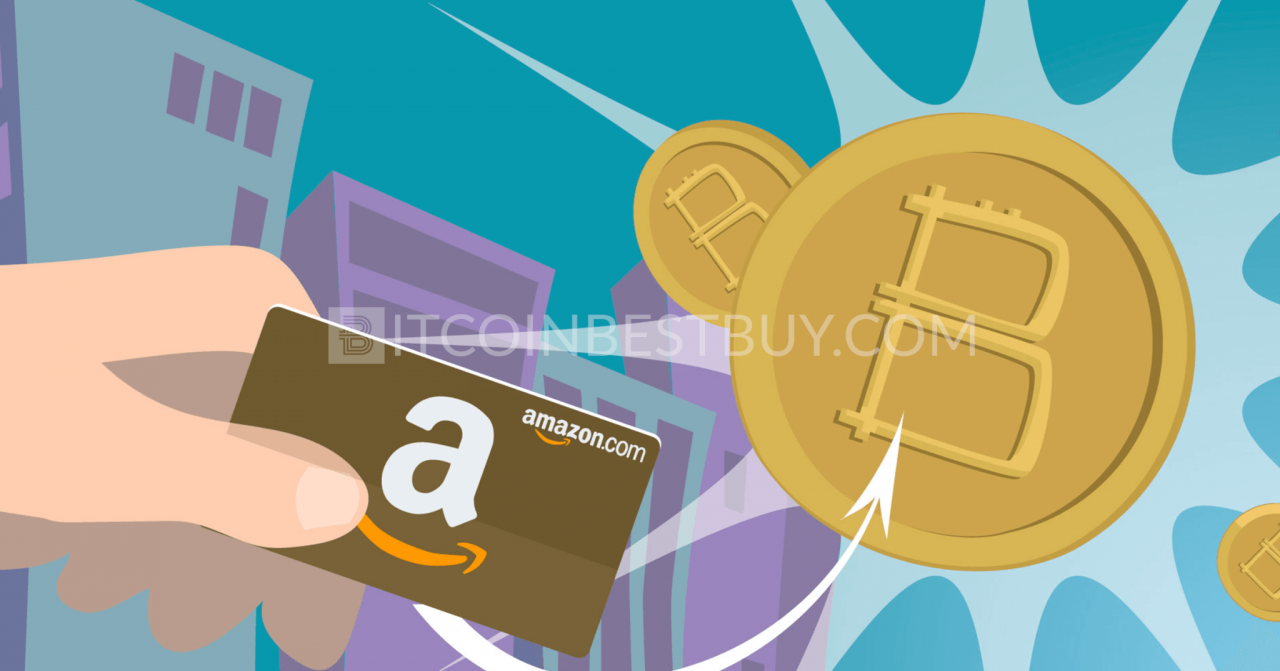
Can you buy Bitcoin with gift cards? This question delves into the fascinating world of cryptocurrency purchases, exploring the methods, risks, and regulations surrounding this increasingly popular practice. Understanding the various options and associated challenges is key for anyone considering this transaction.

This guide will cover the different ways to buy Bitcoin, focusing on the unique aspects of using gift cards, and providing a thorough overview of the entire process. We’ll analyze the security implications and highlight potential pitfalls to ensure you make informed decisions.

Bitcoin Purchasing Methods

Buy Gift Cards with Bitcoin - Spend Crypto Everywhere!

Bitcoin, a decentralized digital currency, offers various avenues for acquisition. Understanding these methods is crucial for navigating the crypto landscape safely and effectively. From traditional banking channels to specialized exchanges, each option presents a unique trade-off between speed, cost, and security.Acquiring Bitcoin involves selecting a method that aligns with your individual needs and risk tolerance. Different methods cater to various user preferences and financial situations.

The choice is influenced by factors such as the desired transaction speed, the associated fees, and the level of security provided. A comprehensive understanding of these considerations is essential to make informed decisions.

Traditional Purchasing Methods

Traditional methods for purchasing Bitcoin often involve intermediaries like banks or cryptocurrency exchanges. These methods generally offer a higher level of security compared to alternative methods, but can be slower and incur higher transaction fees. Bank transfers, for example, can be a reliable option for those comfortable with traditional financial processes. However, they often necessitate waiting periods, which may be undesirable for users seeking immediate access to Bitcoin.

Cryptocurrency Exchanges

Cryptocurrency exchanges are platforms specifically designed for trading cryptocurrencies, including Bitcoin. These platforms offer a vast selection of cryptocurrencies, often with robust security measures. The process typically involves creating an account, verifying your identity, and depositing funds into your exchange wallet. Once the deposit is confirmed, you can then purchase Bitcoin using your deposited funds. Exchanges typically provide various order types, including market orders, limit orders, and stop-loss orders.

These options allow users to manage risk and execute transactions efficiently.

Purchasing Bitcoin with Gift Cards

Using gift cards to purchase Bitcoin is a relatively uncommon method, but it exists. This approach involves using gift card balances to fund a Bitcoin purchase. The steps usually include selecting a platform that accepts gift cards, entering the gift card details, and confirming the transaction. The platform will then deduct the amount from the gift card balance and deposit the equivalent Bitcoin into your account.

This method, however, presents potential risks, as gift card fraud is a known concern. Gift card issuers may not cover fraudulent purchases, making the transaction process potentially risky. Furthermore, gift card-based purchases may involve additional fees or commissions charged by the platform facilitating the transaction.

Comparison of Purchasing Methods

Method Speed Cost Security
Bank Transfer Moderate High (fees and processing time) High (established infrastructure)
Cryptocurrency Exchange Variable (depending on order type) Moderate (fees and commissions) Moderate to High (depending on exchange security)
Gift Card Purchase Variable (depending on platform) Moderate to High (fees and potential fraud) Low (gift card fraud risks)

The table above provides a basic comparison of the various Bitcoin purchasing methods, considering speed, cost, and security. It is essential to understand that the specifics can vary greatly depending on the chosen platform and individual circumstances. Therefore, thorough research and due diligence are crucial before engaging in any Bitcoin purchase. Users should carefully consider the security implications of gift card-based purchases, as the associated risks may outweigh the potential benefits.

Gift Card Restrictions and Regulations

Gift cards, while convenient for various purchases, often come with restrictions when used for cryptocurrency transactions like Bitcoin. These limitations are influenced by a complex interplay of factors, including gift card provider policies, regulatory frameworks, and the inherent nature of cryptocurrency itself. Understanding these restrictions is crucial for anyone considering using gift cards to acquire Bitcoin.Gift cards are typically tied to specific retailers or merchants, and these restrictions extend to cryptocurrency exchanges that may or may not accept them.

The specific conditions vary greatly depending on the card issuer, the cryptocurrency exchange, and local regulations. Moreover, money laundering concerns further complicate the use of gift cards for Bitcoin purchases.

Types of Gift Cards Usable for Bitcoin Purchases

Gift cards from various retailers are potentially usable, but not all are accepted. Prepaid cards, store-specific gift cards, and even reloadable cards can be considered, though their acceptance varies significantly between Bitcoin exchanges. This often depends on the exchange’s specific policies and acceptance criteria.

Restrictions and Limitations on Gift Card Use

Restrictions on using gift cards for Bitcoin purchases are substantial. Many exchanges do not accept gift cards as payment, opting for more traditional payment methods. Even if accepted, there may be limitations on the amount that can be transferred or the types of gift cards allowed. Furthermore, gift card providers might impose their own restrictions on how the card can be used, which could affect its usability for Bitcoin purchases.

Legal and Regulatory Aspects

Legal and regulatory aspects are key factors affecting gift card usage for Bitcoin transactions. Regulations regarding money laundering and the transfer of funds often limit the use of gift cards for high-value cryptocurrency purchases. This is because gift cards can be used to mask the origin of funds, potentially facilitating illicit activities. The legality of using gift cards for cryptocurrency purchases is dependent on the jurisdiction, with some countries having more stringent regulations than others.

Examples of Gift Card Providers

Some gift card providers may allow or prohibit the use of their cards for Bitcoin purchases. For instance, some retail gift cards are accepted by certain Bitcoin exchanges, while others are explicitly prohibited. It is crucial to check the terms and conditions of both the gift card provider and the Bitcoin exchange to determine compatibility. Gift card providers with strict limitations on card usage often do not allow purchases at Bitcoin exchanges.

Role of Money Laundering Regulations

Money laundering regulations play a significant role in limiting Bitcoin purchases via gift cards. These regulations often require exchanges to verify the source of funds and implement measures to prevent the use of gift cards for illicit activities. Stricter regulations typically result in more stringent policies at cryptocurrency exchanges, leading to a reduced acceptance of gift cards. This is due to the potential for gift cards to be used in money laundering schemes.

Reporting Suspicious Transactions

Reporting suspicious transactions involving gift cards and Bitcoin is crucial for maintaining financial integrity. Cryptocurrency exchanges and financial institutions have specific reporting procedures in place. These procedures involve reporting suspicious activity to the relevant authorities, which may include financial crime units or regulatory bodies. The steps involved in reporting such transactions vary depending on the specific exchange and regulatory landscape.

Security and Risks of Using Gift Cards for Bitcoin

Using gift cards to purchase Bitcoin can present significant security risks, often overlooked by users eager for quick transactions. Understanding these risks is crucial for mitigating potential losses and ensuring a safe Bitcoin acquisition process. These risks are heightened by the anonymity associated with gift card transactions, making it harder to trace funds and resolve disputes.Gift card-based Bitcoin purchases expose users to a variety of vulnerabilities, including the potential for fraudulent gift cards, compromised accounts, and unreliable vendors.

Thorough due diligence and an understanding of the risks are essential for making informed decisions and safeguarding your financial assets. The key to safe Bitcoin acquisition using gift cards lies in recognizing these potential pitfalls and implementing protective measures.

Gift Card Fraud and Compromised Accounts

Gift cards can be fraudulently obtained or compromised, rendering them unusable or leading to financial loss. Counterfeiting and theft of gift card codes are common tactics employed by malicious actors. Compromised gift card accounts or compromised accounts associated with gift card platforms can also lead to the theft of funds.

Unreliable Vendors and Platforms

Not all Bitcoin exchange platforms or vendors are created equal. Some platforms may be unreliable, insecure, or even fraudulent, posing a significant risk to your investment. Thorough research and reviews of potential vendors are critical before committing to any transaction.

Examples of Bitcoin Gift Card Scams

Numerous scams target individuals purchasing Bitcoin with gift cards. One common type involves fraudulent gift cards sold at a discounted price, enticing users with unrealistic profit potential. Another scam involves the creation of fake Bitcoin exchange platforms or vendors, designed to steal gift card information and the Bitcoin acquired. Scammers may also mimic legitimate platforms with subtle visual changes to their logos and webpages, luring users into unknowingly sharing sensitive information.

Mitigating Risks and Ensuring Security

Prioritizing security is paramount when purchasing Bitcoin with gift cards. Verify the legitimacy of the vendor and the platform through thorough research, checking for user reviews and testimonials. Look for secure payment gateways and encryption protocols, ensuring your sensitive information is protected. Avoid purchasing Bitcoin from sources that appear suspicious or unfamiliar.

Tips for Staying Safe

  • Thorough Research: Always conduct thorough research on the platform and vendor before completing any transaction. Check user reviews, read testimonials, and investigate the vendor’s reputation.
  • Secure Platforms: Prefer platforms known for their security features and strong encryption protocols. Look for platforms with verifiable security measures and a transparent track record.
  • Verify Legitimacy: Carefully scrutinize the platform’s design and layout, checking for subtle signs of fraud. Beware of sites with poor design, confusing navigation, or unclear terms and conditions.
  • Limited Transactions: Limit the amount of Bitcoin purchased with gift cards in a single transaction. This reduces the financial impact of a potential scam or compromise.
  • Secure Payment Methods: Favor reputable and secure payment gateways to protect your gift card information during the transaction.

Alternative Methods for Bitcoin Purchases

Beyond gift cards, various methods exist for acquiring Bitcoin. These alternatives often offer more flexibility, security, and potentially better transaction fees. Understanding these options empowers informed decisions for Bitcoin acquisition.Alternative methods for purchasing Bitcoin encompass a range of options, each with its own set of advantages and disadvantages. Careful consideration of these factors is essential to selecting the most suitable approach for your needs.

Direct Exchange with Fiat Currency

Several platforms facilitate direct exchanges between Bitcoin and traditional fiat currencies, such as the US dollar or Euro. These exchanges typically provide user-friendly interfaces and a wide range of deposit and withdrawal options.

  • Process: Users typically create an account, fund it with fiat currency, and then place an order to purchase Bitcoin. The transaction is processed, and the Bitcoin is credited to the user’s account.
  • Advantages: Direct exchanges often offer competitive exchange rates, a wide selection of fiat currencies, and user-friendly interfaces for easy navigation.
  • Disadvantages: Certain exchanges might have specific requirements for account verification or minimum deposit amounts. Security measures vary between platforms, and users must ensure the chosen exchange has a robust security protocol in place.

Peer-to-Peer (P2P) Exchanges

P2P exchanges connect buyers and sellers directly, allowing for transactions outside of centralized platforms. This approach can potentially offer more flexibility and potentially better exchange rates compared to traditional exchanges.

  • Process: Users find sellers on the platform, negotiate the price, and arrange the transaction details, often using payment methods like bank transfers. The process can vary greatly between platforms.
  • Advantages: Potential for lower transaction fees compared to centralized exchanges, often more direct interaction with sellers.
  • Disadvantages: Greater risk of scams and disputes due to the direct nature of the transactions. Users must thoroughly verify the identity of the seller and the legitimacy of the platform.

Bitcoin ATMs

Bitcoin ATMs offer a convenient way to purchase Bitcoin using cash. These ATMs are becoming increasingly common in various locations.

  • Process: Users insert cash into the ATM, select the desired Bitcoin amount, and receive the corresponding Bitcoin on their digital wallet.
  • Advantages: Cash-based transactions for immediate access to Bitcoin, readily available in many locations.
  • Disadvantages: Fees can vary significantly between different ATMs, and exchange rates might not be as favorable as online platforms. Security concerns regarding the physical location and potential for ATM malfunction.

Comparison Table

Method Pros Cons
Direct Exchange Competitive rates, user-friendly interfaces, various fiat options Potential verification requirements, minimum deposit amounts, varying security levels
P2P Exchanges Potentially lower fees, direct interaction Higher risk of scams, seller verification crucial
Bitcoin ATMs Cash-based transactions, convenience Variable fees, potentially unfavorable exchange rates, security risks

Buying Bitcoin Overview

Bitcoin, a decentralized digital currency, is purchased through a structured process. This involves various steps, from choosing a reputable platform to securing your digital holdings. Understanding the entire process is critical for safe and successful transactions.Cryptocurrency exchanges act as intermediaries in Bitcoin transactions, facilitating the buying and selling of digital assets. These platforms typically connect buyers and sellers, enabling secure transactions and managing the flow of funds.

Cryptocurrency Exchange Role

Cryptocurrency exchanges are vital platforms for trading Bitcoin and other cryptocurrencies. They provide a secure environment for users to buy, sell, and exchange digital currencies. These platforms typically operate on a peer-to-peer (P2P) model, connecting buyers and sellers directly.

History and Evolution of Bitcoin

Bitcoin, the first cryptocurrency, emerged in 2009. Its creation was spearheaded by an anonymous person or group of people using the alias Satoshi Nakamoto. The subsequent years witnessed a rapid expansion of the cryptocurrency market, with many new cryptocurrencies being introduced. This evolution has significantly impacted the financial landscape, introducing alternative payment systems and decentralized financial solutions.

Bitcoin Wallets

Bitcoin wallets are essential for storing and managing Bitcoin holdings. These digital tools function as virtual repositories, allowing users to securely store, send, and receive Bitcoin. Different types of wallets cater to various needs and security levels.

Types of Bitcoin Wallets

Different wallet types cater to diverse user needs and security preferences. Software wallets are installed on personal computers or mobile devices, offering direct access to your Bitcoin holdings. Hardware wallets are physical devices that provide enhanced security by storing private keys offline. Online wallets are hosted by third-party platforms, offering convenience but potentially exposing users to security risks.

Sending and Receiving Bitcoin

Sending and receiving Bitcoin is a straightforward process. To send Bitcoin, the sender needs to specify the recipient’s Bitcoin address and the amount to be transferred. The recipient, in turn, needs to provide their Bitcoin address to receive the funds. Both parties must ensure their security protocols are up-to-date and that they are utilizing secure platforms for transactions.

Bitcoin Wallet Comparison

Wallet Type Security Convenience Cost
Software Wallets Moderate High Low
Hardware Wallets High Moderate Moderate
Online Wallets Low High Low

Software wallets are user-friendly and typically free to download. Hardware wallets offer superior security by storing private keys offline, but they come with a price tag. Online wallets provide ease of access but often lack the same level of security as other options. The choice of wallet depends on the user’s individual risk tolerance and technical expertise.

Bitcoin Value Fluctuation

Bitcoin’s value is notoriously volatile, meaning its price changes significantly and rapidly. This inherent unpredictability is a core characteristic of the cryptocurrency, and understanding its fluctuations is crucial for anyone considering buying Bitcoin, especially with gift cards. This section will detail the factors driving these price swings and the implications for those using gift cards for Bitcoin purchases.

Factors Influencing Bitcoin’s Price

Bitcoin’s price is influenced by a complex interplay of factors. Market sentiment, news events, and regulatory changes all play a role. Speculation and trading activity also contribute to the price fluctuations. The supply and demand dynamics within the market are key determinants. As more people invest in Bitcoin, demand increases, potentially leading to price increases.

Conversely, decreased interest can result in lower prices.

Implications of Price Fluctuations on Bitcoin Purchases

Price volatility presents a significant risk for those purchasing Bitcoin. The value of the gift cards used to acquire Bitcoin can fluctuate in tandem with Bitcoin’s price. Buying at a high point can result in a loss if the price drops, while purchasing at a low point might offer greater returns. It’s important to carefully consider the risk involved and the potential for loss.

A significant price drop can diminish the value of the gift card investment, potentially leading to a net loss.

Bitcoin Price Fluctuation Graph

A graph illustrating Bitcoin’s price fluctuations over time would show a pattern of significant volatility. The graph would exhibit sharp upward and downward trends, with periods of relative stability interspersed. This visual representation highlights the unpredictable nature of the cryptocurrency market. A hypothetical graph (cannot be displayed) would depict a line chart with the Bitcoin price on the vertical axis and the date on the horizontal axis.

The line would demonstrate a series of peaks and valleys, indicating substantial price swings. For example, the price could start at $20,000, rise to $30,000, and then drop to $15,000 within a few weeks, demonstrating the price volatility of Bitcoin.

Impact on Gift Card Value

The volatility of Bitcoin’s price directly affects the value of gift cards used to purchase it. If the Bitcoin price drops after the purchase, the equivalent value of the gift card in Bitcoin will be reduced. Conversely, a price increase will result in a higher Bitcoin value, potentially increasing the return on the gift card investment. This is a significant consideration when using gift cards for Bitcoin purchases, as the investment’s outcome can be unpredictable.

For instance, if someone purchases Bitcoin at $25,000 per Bitcoin using a $25,000 gift card, and the price subsequently falls to $20,000, the value of the gift card investment will be reduced.

Conclusion

In conclusion, buying Bitcoin with gift cards presents a complex interplay of convenience, security, and regulatory constraints. While gift cards offer a potentially quick method of purchase, it’s crucial to weigh the associated risks against alternative methods. Remember, thorough research and careful consideration are essential when navigating the world of cryptocurrency transactions.

Question Bank

Can I use any gift card to buy Bitcoin?

No, not all gift cards are accepted for Bitcoin purchases. Specific restrictions apply, and acceptance varies depending on the platform and the type of gift card.

What are the security risks of using gift cards for Bitcoin purchases?

Gift card-based Bitcoin purchases carry inherent security risks, including potential scams, fraudulent platforms, and the possibility of losing your funds. Choosing reputable vendors and secure platforms is paramount.

What are some alternative methods for purchasing Bitcoin?

Alternative methods include bank transfers, wire transfers, and using cryptocurrency exchanges. Each method has its own set of advantages and disadvantages, impacting cost, speed, and security.

What are the typical fees and commissions for purchasing Bitcoin using gift cards?

Fees and commissions associated with gift card-based Bitcoin purchases can vary depending on the platform. Always review the terms and conditions for precise details.

Ever wondered if you could turn your Applebee’s gift card into Bitcoin? This guide delves into the fascinating world of exchanging gift cards for cryptocurrency, focusing on the specific process of converting Applebee’s rewards into Bitcoin. We’ll explore the mechanics of both Bitcoin transactions and gift card exchanges, examining the potential benefits and pitfalls of this unique financial maneuver.

From understanding the technical aspects of Bitcoin transactions to exploring the various platforms facilitating gift card exchanges, this comprehensive overview provides a clear path for anyone considering this unconventional method of acquiring Bitcoin. We’ll cover the steps involved, potential risks, and legal considerations, providing a balanced perspective for informed decision-making.

Understanding Bitcoin Transactions

Bitcoin transactions are the lifeblood of the Bitcoin network, enabling the movement of value between users. They are fundamentally different from traditional financial transactions, relying on a decentralized, cryptographic system rather than intermediaries like banks. Understanding how these transactions work is crucial for anyone interacting with Bitcoin.Bitcoin transactions are recorded on a public ledger called the blockchain. This ledger is distributed across a network of computers, making it incredibly secure and transparent.

Each transaction is verified by the network and added to the blockchain in a chronologically ordered manner, forming a permanent record of all Bitcoin activity.

Mechanism of Bitcoin Transactions

Bitcoin transactions are based on cryptographic principles, ensuring security and immutability. A transaction essentially involves a digital signature that authenticates the sender’s ownership of the Bitcoin and authorises its transfer. This digital signature is mathematically linked to the sender’s Bitcoin address, acting as a unique identifier. The receiver’s address also serves as a unique identifier for receiving Bitcoin.

The transaction amount is specified in the transaction, along with the sender’s and receiver’s addresses.

Types of Bitcoin Transactions

Bitcoin transactions are generally categorized by their purpose. One common type is a simple peer-to-peer payment. Other types include transactions related to mining rewards, and transactions involving the creation of new Bitcoin.

Steps Involved in Sending and Receiving Bitcoin

The process of sending and receiving Bitcoin is relatively straightforward. The sender initiates the transaction by providing the receiver’s address and the amount to be transferred. The transaction is then broadcast to the Bitcoin network, where nodes validate its legitimacy and verify the sender’s funds. Upon validation, the transaction is added to the blockchain. The receiver receives the Bitcoin once the transaction is confirmed and added to the blockchain.

Confirmation times vary, but usually involve several blocks being added to the chain, typically 1-3 confirmations.

Key Components of a Bitcoin Transaction

A Bitcoin transaction comprises several crucial components. The sender’s address identifies the Bitcoin owner initiating the transaction. The receiver’s address identifies the recipient of the Bitcoin. The transaction amount specifies the quantity of Bitcoin being transferred. A transaction also includes a digital signature to authenticate the sender.

This digital signature, along with the public key of the sender, ensures the transaction’s authenticity.

Comparison with Traditional Financial Transactions

Bitcoin transactions differ significantly from traditional financial transactions. Traditional transactions often involve intermediaries, such as banks, which can introduce delays and potential vulnerabilities. Bitcoin transactions are direct peer-to-peer, eliminating intermediaries and streamlining the process. Bitcoin transactions are recorded on a public ledger, while traditional transactions are often kept confidential. This transparency is a key feature of Bitcoin.

Security Measures in Bitcoin Transactions

Bitcoin transactions are secured through cryptographic methods. Public and private keys are used to encrypt and decrypt the transaction information, preventing unauthorized access. The distributed nature of the blockchain further enhances security by making it extremely difficult to tamper with the transaction history. Transaction verification involves complex mathematical calculations, making it computationally expensive and practically impossible to manipulate the ledger.

Furthermore, the network’s decentralized structure mitigates the risk of a single point of failure.

Exploring Gift Card Exchanges

Gift card exchanges are a burgeoning segment of the financial market, offering a way to buy and sell pre-paid cards for various merchants. These exchanges facilitate a secondary market for gift cards, allowing individuals to potentially recoup some value or acquire cards for discounted prices. Understanding how these exchanges function is crucial for navigating this market responsibly.Gift card exchanges serve as a marketplace for both buyers and sellers, connecting those looking to utilize gift cards with those seeking to liquidate or trade them.

This allows for a dynamic interaction between supply and demand, often leading to price fluctuations. The ability to trade gift cards can be beneficial for both parties, allowing for the efficient use of funds.

Gift Card Exchange Process

The process of buying and selling gift cards through an exchange typically involves a few steps. First, the seller lists the gift card, providing details about the card’s value, merchant, and any restrictions. Potential buyers review the listing and, if interested, make an offer. Once an agreement is reached, the buyer completes the transaction through the exchange platform.

The exchange platform facilitates the transfer of the gift card value, ensuring secure handling and minimizing potential risks.

Methods of Exchange

Various methods facilitate gift card exchanges. Online platforms are the most common, allowing for broad reach and accessibility. These platforms use secure online portals to manage transactions and ensure buyer/seller interaction. Alternatively, some exchanges operate through in-person transactions, although these are often less common and may be subject to more localized limitations.

Risks and Limitations

Gift card exchanges, while convenient, present potential risks. The value of a gift card can be impacted by its expiration date, merchant restrictions, and any associated conditions. Buyers should carefully review the terms and conditions of a gift card before making a purchase. Additionally, the risk of fraud or scams exists, so it is important to choose reputable platforms.

Verify seller legitimacy and understand the exchange platform’s security measures.

Popular Gift Card Exchange Platforms

Numerous online platforms facilitate gift card exchanges. Some well-known examples include Cardpool, CardCash, and others. These platforms often have specific terms and conditions, so understanding the nuances of each platform is crucial. The platform’s reputation and user reviews can be helpful indicators of its trustworthiness.

Security Comparison

The security of gift card exchange methods varies. Online platforms typically employ encryption and fraud detection systems to protect users. In-person exchanges, on the other hand, often lack these protections, increasing the risk of fraud or theft. Buyers should prioritize platforms with robust security measures to mitigate potential risks. Verify the platform’s security policies and consider factors like customer support and dispute resolution processes.

Bitcoin and Gift Cards

Trading gift cards for Bitcoin presents a unique avenue for accessing cryptocurrency. While straightforward in concept, this exchange involves a complex interplay of factors, including transaction costs, platform availability, and regulatory hurdles. Navigating these aspects is crucial for a successful and safe exchange.Understanding the potential benefits and risks associated with this exchange is essential. Careful consideration of various aspects, such as platform reliability, exchange rates, and regulatory compliance, is paramount to ensure a secure and profitable transaction.

Exchanging Applebee’s Gift Cards for Bitcoin

A structured process for exchanging Applebee’s gift cards for Bitcoin involves several key steps. First, locate a reputable Bitcoin exchange platform that facilitates gift card transactions. Next, verify the authenticity and validity of the gift card. After confirming the card details, initiate the exchange process on the chosen platform. Crucially, monitor the transaction to ensure its completion and check for any potential issues.

Finally, receive the Bitcoin in your designated cryptocurrency wallet.

Pros and Cons of Using Applebee’s Gift Cards to Buy Bitcoin

Pros Cons
Potentially lower transaction fees compared to other methods. Limited availability of Applebee’s gift card support on Bitcoin exchanges.
Flexibility in using a gift card for a specific purpose. Potential for gift card devaluation or expiry.
Access to Bitcoin with a readily available asset. Lower liquidity compared to more established payment methods.
Simplicity in initial steps, if done on a reputable platform. Potential for scams or fraudulent platforms.
Avoidance of bank transfer fees in some cases. Rate fluctuations may impact the Bitcoin value received.

This table highlights the advantages and disadvantages of using Applebee’s gift cards to acquire Bitcoin. A comprehensive assessment of these factors is critical for making an informed decision.

Platforms Facilitating Applebee’s Gift Card to Bitcoin Exchange

A variety of platforms might facilitate the exchange. Identifying suitable platforms requires thorough research and evaluation. Criteria such as transaction fees, user reviews, security measures, and platform reliability should be considered. It is essential to choose a platform with robust security measures to protect your gift cards and Bitcoin.

  • Certain cryptocurrency exchanges might accept Applebee’s gift cards as payment. However, the availability varies significantly. Thorough research is critical to find suitable platforms that offer this service. This research should include checking the platform’s terms and conditions to understand the specific rules for gift card transactions.
  • Third-party platforms that specialize in gift card trading might act as intermediaries. These platforms can facilitate the exchange, but they typically charge fees for their services. The fees and exchange rates should be carefully compared to ensure the transaction is cost-effective.

Risks and Regulations in Gift Card-to-Bitcoin Exchanges

Several risks are inherent in exchanging gift cards for Bitcoin. These include the potential for fraud, scams, or unreliable platforms. Furthermore, the lack of transparency or poorly regulated exchange platforms can pose significant risks. It’s crucial to be cautious and investigate the platform thoroughly before engaging in any transaction.

  • Gift card fraud is a concern. Ensure the gift card is legitimate and hasn’t been compromised. Always verify the authenticity of the gift card before using it for any exchange.
  • Regulatory frameworks surrounding gift card and cryptocurrency exchanges vary across jurisdictions. A thorough understanding of local regulations is crucial to avoid potential legal issues. Researching the legal aspects of these transactions is paramount to avoid penalties.

Legal Considerations and Regulatory Frameworks

The legal and regulatory landscape governing gift card transactions for Bitcoin is complex and varies depending on location. Laws regarding gift cards and cryptocurrency exchanges differ significantly. It’s crucial to understand the specific regulations in your region. Failing to comply with local laws can result in significant penalties.

Bitcoin Exchange Process

The Bitcoin exchange process, when using gift cards, typically follows these steps:

  1. Select a reputable exchange platform that accepts gift cards.
  2. Verify the authenticity and validity of the gift card.
  3. Enter the gift card details and specify the desired Bitcoin amount.
  4. Confirm the transaction on the platform.
  5. Monitor the transaction to ensure completion.
  6. Receive the Bitcoin in your designated cryptocurrency wallet.

This step-by-step process is essential for a secure and successful exchange. Thorough verification and monitoring are critical throughout the transaction.

Exploring Applebee’s Gift Cards

Applebee’s gift cards are a popular way to pay for meals at the restaurant chain. They offer a convenient and flexible payment option, allowing recipients to choose how and when to use their credit. Understanding the various aspects of these gift cards, including their denominations, features, and terms, is crucial for maximizing their value.Gift cards, in general, offer a degree of flexibility, acting as a voucher that can be used to pay for goods or services.

Applebee’s gift cards, specifically, are a convenient and popular method of payment for dining experiences at their restaurants. Understanding the terms and conditions, along with the different ways to obtain and redeem them, is vital to making the most of these cards.

Denominations and Features

Applebee’s gift cards come in various denominations, providing flexibility for different dining needs. This wide range of values allows individuals to select the gift card that best suits their requirements. Gift cards are available in increments typically ranging from smaller amounts to higher values, catering to both small and large dining groups.

Terms and Conditions

Applebee’s gift cards have specific terms and conditions that govern their use. These conditions are crucial for understanding the limitations and restrictions that may apply. Typically, these terms include expiration dates, restrictions on refunds, and limitations on using the gift card for certain purposes. Gift cards often come with a validity period, after which they become unusable.

Refunds are generally not possible, and the gift cards are usually non-refundable or non-transferable.

Redemption Procedures

Redeeming Applebee’s gift cards at the restaurant is straightforward. The process usually involves presenting the gift card at the time of payment. Gift card numbers are typically scanned by the cashier, who will deduct the amount from the gift card balance. A physical or digital copy of the gift card can be presented, and the staff will verify the balance.

Acquisition Methods

Applebee’s gift cards can be purchased in various ways. They are typically available for purchase at Applebee’s restaurants, retail locations, or online. Purchases can also be made from third-party retailers or online marketplaces. Gift cards are frequently given as gifts, purchased at retail stores, or obtained online through various vendors.

Examples of Bitcoin Exchange Scenarios

Gift cards, like Applebee’s, are occasionally traded for Bitcoin, especially through online marketplaces. For instance, someone may want to use an Applebee’s gift card they received as a gift but prefer to receive Bitcoin instead. This scenario demonstrates the flexibility of these gift cards and their potential use in various transactions. Someone who has an Applebee’s gift card that they will not use may exchange it for Bitcoin on a platform that allows such trades.

This is an example of how gift cards can be exchanged for cryptocurrency, and the exchange often happens via online platforms or marketplaces.

Buying Bitcoin – General Information

Buy 2 Get 1 Free, banner. Sale banners design template. Special offer ...

Purchasing Bitcoin involves a few key steps and considerations. Understanding these steps is crucial for a safe and successful transaction. From selecting reputable platforms to navigating potential fees and market fluctuations, careful planning is paramount.The process of buying Bitcoin typically involves selecting a platform, funding the account, placing an order, and confirming the transaction. This process varies slightly depending on the chosen method.

Different methods, like exchanges or over-the-counter (OTC) markets, each come with their own sets of advantages and disadvantages.

Methods for Buying Bitcoin

Various methods exist for acquiring Bitcoin, each with its own characteristics. Exchanges provide a readily available platform with diverse trading options, while OTC markets offer potentially more tailored solutions for larger transactions.

  • Exchanges: These platforms facilitate direct trading of Bitcoin against fiat currencies like the US dollar or Euro. They typically operate with varying degrees of security and user-friendliness. User experience can range from simple interfaces to complex trading tools.
  • Over-the-Counter (OTC) Markets: These markets connect buyers and sellers directly, often for larger transactions. This method can be more tailored to individual needs but often requires more due diligence to ensure the legitimacy of the counterparty. Direct communication and careful vetting are essential.

Comparison of Bitcoin Exchange Platforms

Evaluating different exchange platforms is important for selecting the best fit for individual needs. Factors like security measures, fees, and user interface all play a role.

Platform Security Measures Fees User Interface
Coinbase Strong security protocols, including two-factor authentication Variable, often tiered based on transaction volume User-friendly, intuitive design
Binance Robust security measures, known for high transaction volume Low fees, competitive rates Complex interface, suitable for experienced traders
Kraken High security standards, reputable for institutional trading Competitive fees More complex, but caters to sophisticated traders

Note: This table is a simplified comparison. Specific fees and security measures may vary based on the user’s location, the amount traded, and the type of transaction.

Security Measures in Bitcoin Purchases

Protecting your Bitcoin holdings is crucial. A multi-faceted approach to security, including strong passwords and account protection measures, is essential.

  • Strong Passwords: Creating strong, unique passwords for each account is vital. Use a password manager to aid in this.
  • Two-Factor Authentication (2FA): Enabling 2FA adds an extra layer of security by requiring a second verification step.
  • Regular Account Monitoring: Checking your account activity regularly can help identify and prevent unauthorized access.

Fees Associated with Bitcoin Purchases

Understanding fees is important to make informed decisions. Transaction fees can vary based on the platform and the specific transaction. The method used can affect the fees.

  • Exchange Fees: Fees charged by exchanges often vary based on the transaction amount and the trading volume.
  • Network Fees: Fees associated with the Bitcoin network itself, often called transaction fees, fluctuate depending on network congestion.
  • OTC Fees: OTC markets may have fees or commissions negotiated directly with the seller.

Market Fluctuations and Bitcoin Purchases

Understanding market trends is crucial. The value of Bitcoin is subject to frequent change, so research is necessary.

Bitcoin’s price is highly volatile, meaning it can fluctuate significantly over short periods. It’s important to understand that buying at a high point doesn’t guarantee a return and that significant losses are possible.

  • Market Research: Stay updated on market news and trends through reliable sources.
  • Diversification: Spreading investments across different assets can help mitigate risk.
  • Risk Tolerance: Recognize the level of risk involved before investing in Bitcoin.

Illustrative Examples

This section provides practical examples to illustrate the process of exchanging an Applebee’s gift card for Bitcoin, highlighting potential obstacles and risks. Understanding these scenarios is crucial for making informed decisions about such transactions.These examples are fictional but represent common situations and potential challenges in the cryptocurrency market. Always conduct thorough research and due diligence before engaging in any financial transaction.

Fictional Scenario: Exchanging an Applebee’s Gift Card for Bitcoin

A user named Sarah possesses a $50 Applebee’s gift card and wants to exchange it for Bitcoin. She finds a platform that facilitates this exchange. First, she enters the gift card details on the platform. Next, the platform provides her with a Bitcoin address. Then, she enters the amount of Bitcoin she wants to receive, considering the current exchange rate.

Finally, the platform confirms the transaction, and Sarah receives the Bitcoin in her designated digital wallet.

Step-by-Step Guide to Purchasing Bitcoin with an Applebee’s Gift Card

This guide Artikels the process of purchasing Bitcoin using an Applebee’s gift card, noting potential obstacles.

  • Identify a Platform: Choose a reputable platform that allows gift card exchanges. Research the platform’s fees, security measures, and user reviews.
  • Gift Card Verification: The platform will verify the Applebee’s gift card’s authenticity. This step ensures the card is valid and hasn’t already been used for other transactions.
  • Bitcoin Address Provision: The platform will provide a Bitcoin address where the Bitcoin will be sent once the transaction is processed.
  • Exchange Rate Confirmation: The platform displays the current exchange rate between the gift card value and Bitcoin. The user must confirm the rate before proceeding.
  • Transaction Submission: The user submits the transaction details, including the gift card number and the desired Bitcoin amount.
  • Transaction Confirmation: The platform confirms the transaction and the exchange is complete.
  • Bitcoin Wallet Access: The user gains access to the Bitcoin in their digital wallet.
  • Potential Obstacles: Low Bitcoin prices, high platform fees, gift card restrictions, and platform downtime can hinder the transaction. A slow or unreliable internet connection may cause issues. The platform’s security measures and reputation are crucial.

Visual Representation of the Exchange Process

Step Action
1 Gift card details entered
2 Bitcoin address provided
3 Bitcoin amount entered
4 Exchange rate confirmed
5 Transaction submitted
6 Transaction confirmed
7 Bitcoin received

Potential Risks Associated with Gift Card Exchanges for Bitcoin

  • Fraudulent Platforms: Be cautious of untrustworthy platforms. Verify the platform’s legitimacy and reputation before making any exchanges. Scammers may offer high exchange rates to attract users, but they might not deliver on the promised Bitcoin.
  • Security Risks: Bitcoin transactions are not always secure. If the platform has security vulnerabilities, hackers could steal funds. Users should use strong passwords and enable two-factor authentication to protect their accounts.
  • Exchange Rate Fluctuation: The value of Bitcoin is volatile. Exchange rates can change quickly, potentially resulting in a loss of value compared to the gift card’s original value.
  • Platform Fees: Platforms often charge fees for the exchange. These fees can reduce the amount of Bitcoin received.
  • Gift Card Restrictions: Some gift cards have restrictions that may prevent them from being used for cryptocurrency exchanges.

Real-World Example of a Similar Gift Card Exchange

A user exchanged a $100 Amazon gift card for cryptocurrency, specifically Litecoin, using a reputable platform. The transaction was processed successfully, and the user received the Litecoin in their designated wallet.

Scenario Where the Exchange Process Went Wrong

A user attempted to exchange a Starbucks gift card for Bitcoin on a newly launched platform. The platform experienced unexpected technical issues, causing the transaction to be canceled. The user lost the chance to receive the desired Bitcoin.

Structuring Information

This section details the organization of information regarding buying Bitcoin with Applebee’s gift cards. It presents a structured approach to understanding the process, outlining various platforms, fees, methods, steps, and potential risks involved.

Gift Card Exchange Platforms

Gift card exchanges are crucial intermediaries for converting gift cards into digital currencies like Bitcoin. Understanding the available platforms is essential for a smooth transaction.

Platform Description Pros Cons
Cardpool A popular platform for gift card trading. Wide range of gift cards, relatively low fees, user-friendly interface. Can have some delays in processing, potentially higher fees than some niche exchanges.
Giftcardswap Focuses on gift card exchange, allowing users to buy and sell gift cards. Usually provides transparent pricing, good selection of cards. May have limited availability of certain gift card types.
Other Platforms Several other platforms facilitate gift card exchanges. Variety in selection, specialized services. Fees and reliability vary; users should research thoroughly.

Bitcoin Exchange Platform Fees

Comparing fees across various Bitcoin exchange platforms is important to optimize costs.

Platform Typical Fee Structure Example Fee (USD)
Coinbase Percentage-based or flat fee 0.5% to 1.5%
Gemini Percentage-based or flat fee 0.5% to 2%
Kraken Percentage-based or flat fee 0.26% to 1.5%

Note: Fees can fluctuate based on transaction amounts and other factors. Always confirm the exact fee structure with the platform directly.

Methods for Buying Bitcoin

Various methods are available for purchasing Bitcoin.

Method Description Pros Cons
Gift Card Exchange Converting gift cards into Bitcoin via a third-party platform. Convenience of using existing gift cards, potentially lower fees than direct exchanges. Limited availability of certain cards, potential for delays.
Direct Bitcoin Exchange Buying Bitcoin directly using bank transfers or other methods. Direct control over transactions, usually faster. Higher fees or more complex setup compared to gift card exchanges.
Peer-to-Peer (P2P) Buying Bitcoin from other users. Potentially lower fees, direct interaction. Increased risk of scams or fraud, requires due diligence.

Steps to Buy Bitcoin with Applebee’s Gift Card

The following steps Artikel the general process for buying Bitcoin with an Applebee’s gift card.

  1. Select a gift card exchange platform. Research and compare platforms to identify the best option for your needs.
  2. Create an account on the selected platform. Follow the platform’s instructions to create a secure account.
  3. Link your Applebee’s gift card. Follow the platform’s guidelines to link your gift card and provide the necessary details.
  4. Initiate the exchange. Enter the amount of Bitcoin you wish to purchase and initiate the exchange process.
  5. Confirm and receive your Bitcoin. Review the transaction details and confirm the exchange. The Bitcoin will be credited to your designated wallet.

Potential Risks

Several potential risks are associated with buying Bitcoin with gift cards.

  1. Scams and Fraud: Be wary of fraudulent platforms or individuals.
  2. Platform Reliability: Choose reputable platforms with a proven track record.
  3. Gift Card Validity: Ensure the gift card is valid and has sufficient funds.
  4. Transaction Delays: Gift card exchanges can sometimes experience delays.
  5. Fees and Exchange Rates: Evaluate all associated fees and exchange rates.

Final Wrap-Up

In conclusion, the process of buying Bitcoin with Applebee’s gift cards, while potentially intriguing, presents unique challenges. Understanding the intricate steps involved in both Bitcoin transactions and gift card exchanges is crucial for navigating the potential risks and rewards. This guide has provided a thorough examination of the subject, equipping readers with the knowledge necessary to make informed choices.

Query Resolution

Can I use any gift card to buy Bitcoin?

No, this guide specifically focuses on using Applebee’s gift cards. Other gift cards might not be compatible or accepted by the relevant platforms.

What are the typical fees associated with this process?

Fees can vary greatly depending on the exchange platform. Always check the specific terms and conditions of each platform before making an exchange.

What are the risks involved in exchanging gift cards for Bitcoin?

Risks include platform scams, fluctuating Bitcoin values, and the potential for losses. Thorough research and caution are essential.

Are there any legal regulations concerning gift card exchanges for Bitcoin?

Regulations vary by jurisdiction. It’s important to be aware of and comply with local laws regarding cryptocurrency transactions.